How to Save Money on TradingView in 2025: 7 Proven Methods That Actually Work

· 9 min read

Why TradingView Costs Are Getting Out of Hand (And What You Can Do About It)

I'll be straight with you - TradingView is an incredible platform. After using it for three years, I can honestly say it's revolutionized how I analyze markets. But here's the thing that bugs me: their pricing has gotten pretty steep, especially if you're just starting out or trading with a smaller account.

The Essential plan runs $14.95/month, Pro is $29.95, and Premium hits $59.95. That's $180 to $720 per year just for chart analysis. When you're trying to grow a trading account, every dollar matters.

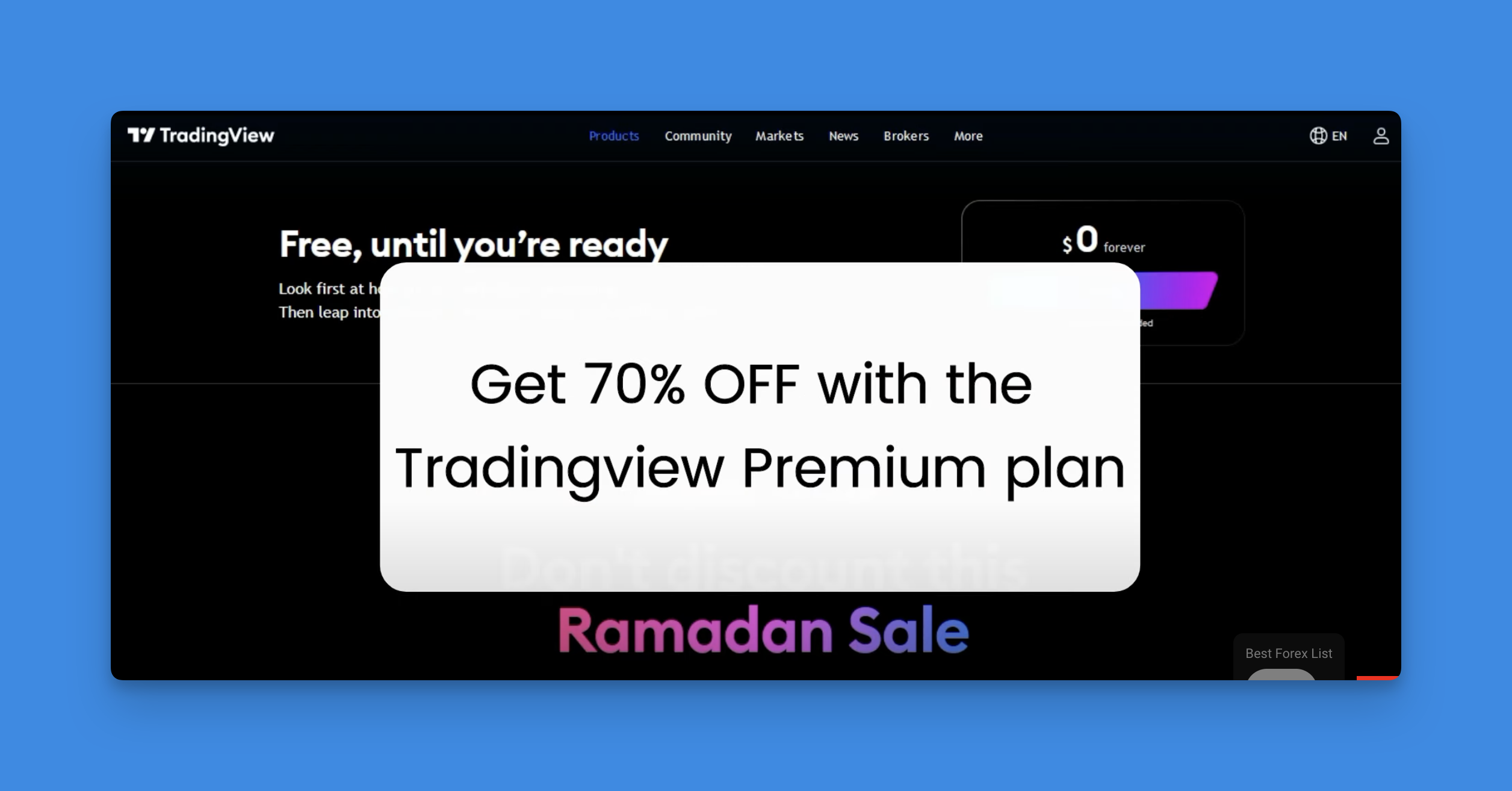
TradingView Pricing Plans 2025

The good news? I've discovered several legitimate ways to cut these costs dramatically. Some methods I'm about to share have saved me hundreds of dollars, and one particular approach completely changed how I think about TradingView's limitations.

7 Proven Methods to Save Money on TradingView

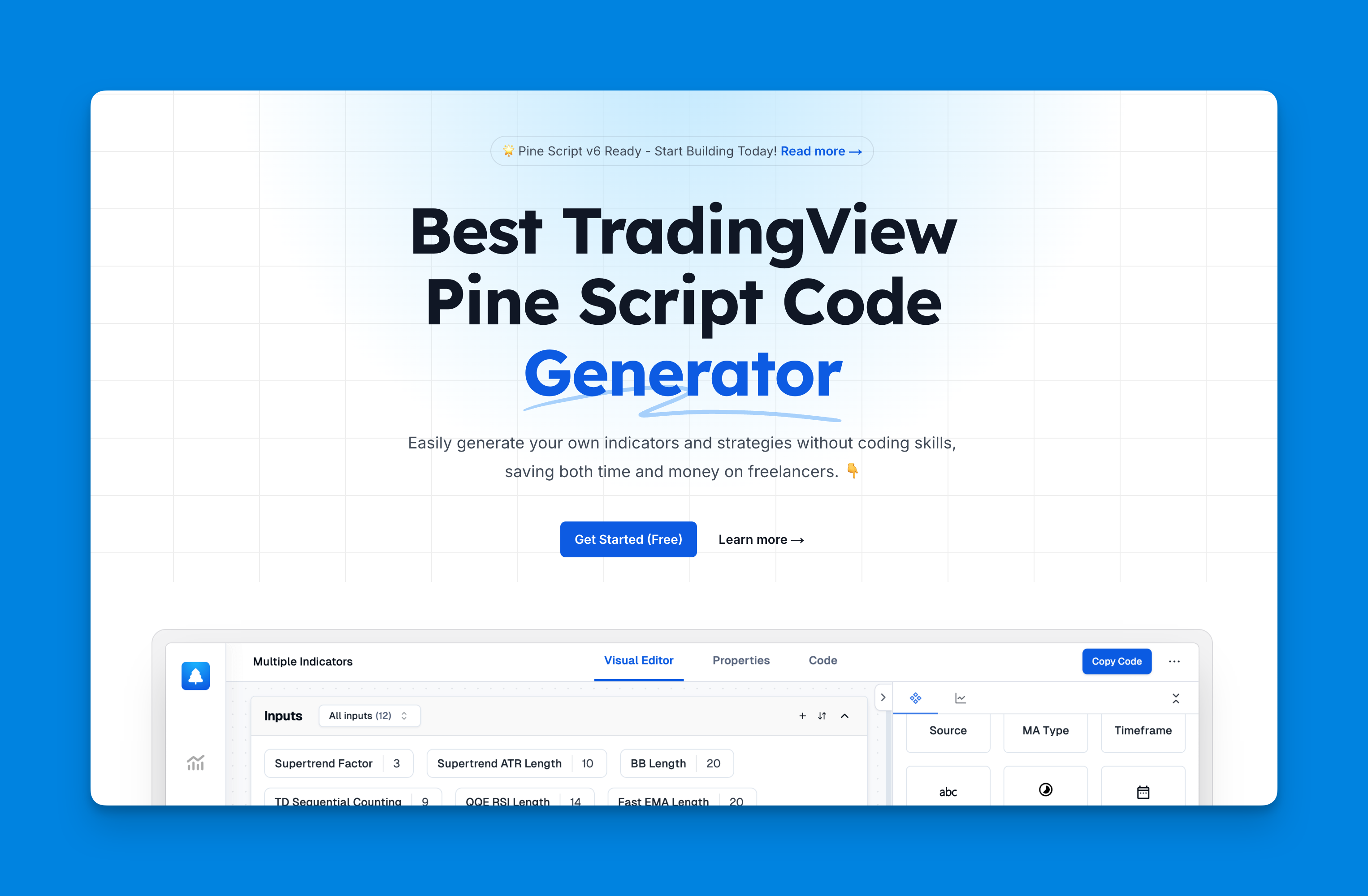
The Best Pine Script Generator

1. Hunt Down Working Promo Codes (They're More Common Than You Think)

Most people give up too quickly when looking for TradingView discount codes. Here's where I've actually found working codes:

  • Honey browser extension - Automatically tests codes at checkout
  • RetailMeNot and Rakuten - Check both, they often have different codes
  • TradingView's own social media - They post flash sales on Twitter and LinkedIn
  • Partner websites - Many trading educators have exclusive discount codes

I've personally used codes like SAVE20 and NEWTRADER15 that gave me 15-20% off. The key is timing - most codes work during holiday periods (Black Friday, New Year) or when TradingView launches new features.

2. The Annual Payment Trick That Saves 20% Instantly

This one's obvious but worth emphasizing: paying annually instead of monthly saves you roughly 20% across all plans. Here's the math:

  • Essential: $14.95/month ($179.40/year) vs $155.40 annual = $24 savings
  • Pro: $29.95/month ($359.40/year) vs $299.40 annual = $60 savings
  • Premium: $59.95/month ($719.40/year) vs $599.40 annual = $120 savings

If you're committed to using TradingView for more than 10 months, annual billing is a no-brainer.

3. Student Discounts (Even if You're Not Traditional Student)

TradingView offers student pricing through SheerID verification. This includes:

  • Traditional college/university students
  • Online course students (some trading courses qualify)
  • Professional certification students

The discount is typically 50% off, making Pro plans cost about the same as Essential. Worth checking if you qualify for any educational program.

4. Referral Program Maximization Strategy

TradingView's referral program gives both you and your friend $30 in account credit. Here's how to maximize this:

  • Refer friends who are genuinely interested (don't spam)
  • Time referrals when friends are ready to upgrade
  • Use credits strategically for plan upgrades rather than extending current plans

I've earned over $150 in credits this way, which covered several months of service.

5. The Game-Changer: Extend Free Plan Capabilities Instead of Upgrading

Here's where things get interesting. The biggest limitation of TradingView's free plan isn't the ads or limited charts - it's the restriction on indicators (only 3 at a time) and alerts.

Instead of paying $180+ annually to remove these limits, I discovered you can work around them using tools that create custom indicators. This is where Pineify's AI Pine Script generator comes in.

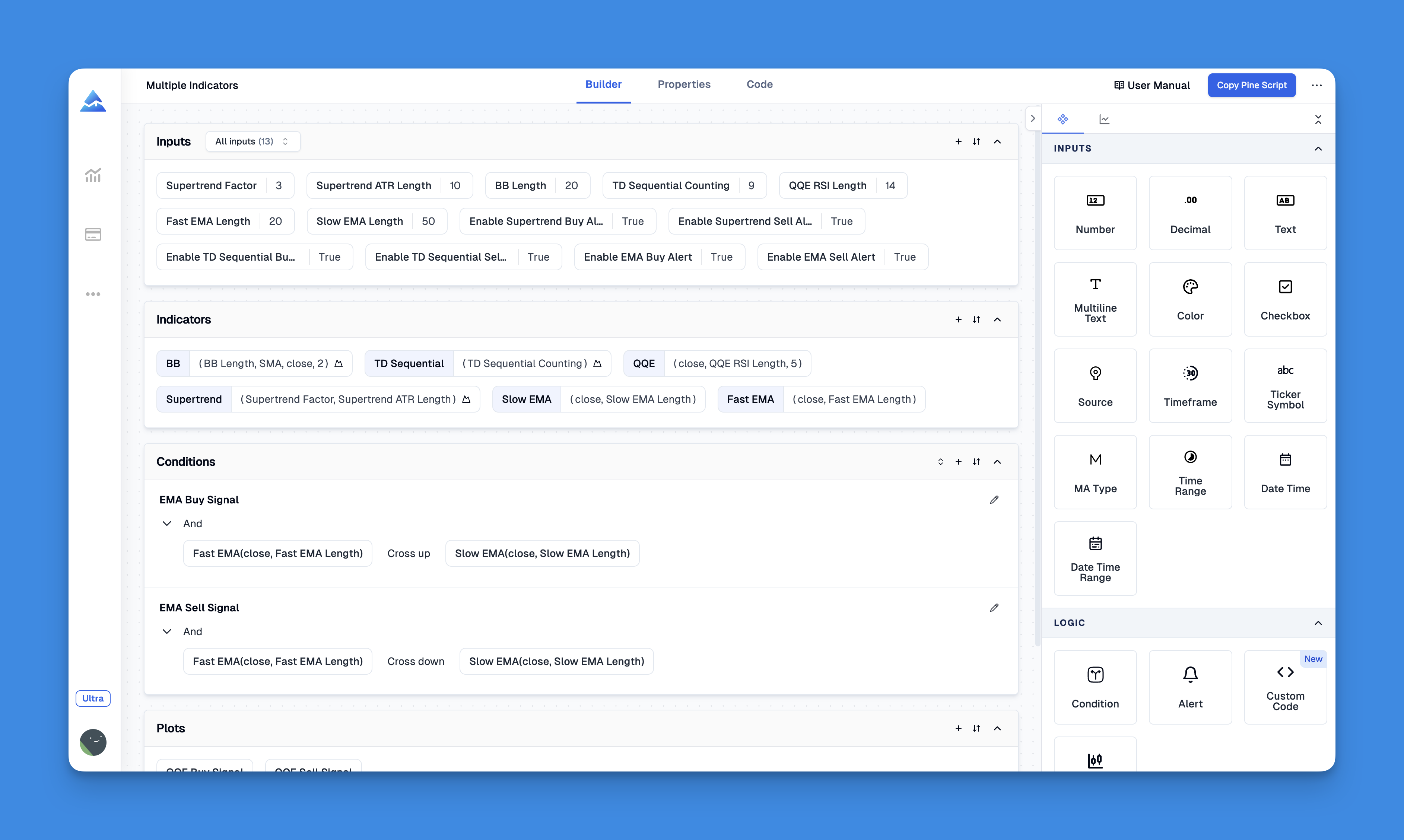
Pineify Pine Script Generator Interface

What makes this approach brilliant is that custom indicators you create don't count toward TradingView's built-in indicator limits. You can essentially combine multiple indicators into one custom script, giving you unlimited analysis power on the free plan.

For example, instead of using separate RSI, MACD, and Bollinger Bands indicators (which would max out your free plan), you can create one custom indicator that displays all three. The visual result is cleaner, and you stay within free plan limits.

6. Broker Integration Deals (The Hidden Discount Most People Miss)

Many brokers offer free or discounted TradingView access to their clients. I've seen deals from:

  • Interactive Brokers - Free TradingView Pro with qualifying accounts
  • TradeStation - Discounted TradingView access for active traders
  • Various Forex brokers - Often include TradingView Premium in VIP packages

Check with your broker before paying full price. Sometimes maintaining a certain account balance or trading volume gets you free access.

7. Strategic Plan Timing and Downgrading

Most people upgrade during market volatility when they need advanced features most. Instead:

  • Upgrade during quiet markets when promotional pricing is more common
  • Use the 30-day money-back guarantee to test if you actually need premium features
  • Downgrade during low-activity periods and upgrade only when necessary

I've found that I only need Premium features during earnings seasons and major market events, so I upgrade temporarily rather than maintaining year-round subscriptions.

The Pineify Alternative That Changed Everything

Let me tell you about the approach that completely transformed how I use TradingView's free plan.

When I first started trading, I was frustrated by the 3-indicator limit. I wanted to use RSI, MACD, Bollinger Bands, volume analysis, and trend indicators all at once. The math was simple: I needed at least the Pro plan at $30/month.

Then I discovered that custom Pine Script indicators don't count toward the limit. The problem? I didn't know how to code. Learning Pine Script seemed like it would take months.

That's when I found Pineify. It's essentially an AI that writes Pine Script code for you based on plain English descriptions. Instead of learning to code, I could describe what I wanted: "Create an indicator that shows RSI, MACD histogram, and Bollinger Band squeeze on one chart."

Pineify Custom Indicator Creation

The result? I now have several custom indicators that give me more functionality than TradingView's Premium plan, all working perfectly on the free version. My total cost: $29/month for Pineify instead of $60/month for TradingView Premium.

If you're interested in this approach, check out how to get TradingView Premium features for free using similar methods.

Where to Find Current TradingView Discount Codes

Based on my experience, here are the most reliable sources for active discount codes:

High Success Rate Sources:

  • TradingView's official newsletter (they announce flash sales here first)
  • Trading education websites (many have partnership codes)
  • Browser extensions like Honey and Capital One Shopping

Medium Success Rate Sources:

  • Coupon aggregator sites (RetailMeNot, Groupon, Wethrift)
  • Social media (Twitter, Reddit trading communities)
  • YouTube trading channels (check video descriptions)

Timing Matters:

  • Black Friday/Cyber Monday (biggest discounts of the year)
  • New Year promotions (January is prime time)
  • When TradingView launches new features
  • End of quarters (March, June, September, December)

Advanced Money-Saving Strategies

The "Essential-Only" Strategy

Many traders think they need Pro or Premium, but Essential covers 90% of most traders' needs. The main limitations are:

  • 5 indicators per chart (vs 10 for Pro, 25 for Premium)
  • 1 alert (vs 20 for Pro, 400 for Premium)
  • No extended hours data

If you can work within these limits using custom indicators and external alert systems, Essential at $15/month might be all you need.

The "Seasonal Upgrade" Approach

Instead of maintaining year-round Premium subscriptions, upgrade only during high-volatility periods:

  • Earnings seasons (quarterly)
  • FOMC meeting weeks
  • Major economic announcements
  • Market crisis periods

This can cut your annual costs by 60-70% while still having premium features when you need them most.

What Most People Get Wrong About TradingView Pricing

The biggest mistake I see traders make is paying for features they don't actually use. TradingView's marketing does a great job highlighting advanced features, but ask yourself:

  • Do you actually use more than 5 indicators per chart?
  • Do you need 400 alerts, or would 20 be enough?
  • Are you using the advanced order types and backtesting features?
  • Do you need real-time data for multiple exchanges?

I spent six months on Premium before realizing I was using maybe 30% of the features I was paying for. Understanding what features you actually need can save you hundreds annually.

My Bottom-Line Recommendation

After testing every method I've mentioned, here's what I actually do:

  1. Start with TradingView's free plan - Test it for at least a month
  2. Use Pineify to create custom indicators - This eliminates the biggest free plan limitation
  3. Sign up for TradingView's newsletter - Get notified about legitimate promotions
  4. Pay annually when you do upgrade - Automatic 20% savings
  5. Reassess your plan quarterly - Make sure you're not overpaying for unused features

The combination of TradingView's free plan + Pineify for custom indicators has saved me over $400 this year compared to what I would have spent on TradingView Premium. The functionality is actually better because I have exactly the indicators I want, designed specifically for my trading style.

Final Thoughts: The Real "Discount" Might Be Not Upgrading at All

Sometimes the best way to save money on TradingView is to realize you don't need the premium features. Between the free plan's capabilities and tools like Pineify for creating custom indicators, you can build a professional-grade analysis setup without the monthly subscription costs.

But if you do decide to upgrade, use these strategies to minimize the cost. Even a 15% discount code saves you $90+ annually on Premium plans - that's real money that can go back into your trading account where it belongs.

Remember: the goal isn't to spend less on tools; it's to maximize the return on your tool investments. Whether that means getting TradingView Premium for 40% off or getting 90% of Premium's functionality for free - choose the path that makes the most financial sense for your situation.