Understanding Pine Script and Multi-Timeframe Analysis

Pine Script, the programming language used in TradingView, offers powerful tools for traders to create custom indicators and strategies. One of its most valuable features is the ability to analyze different time frames simultaneously, known as Multi-Timeframe (MTF) analysis. This capability allows traders to gain deeper insights into market trends and make more informed decisions.
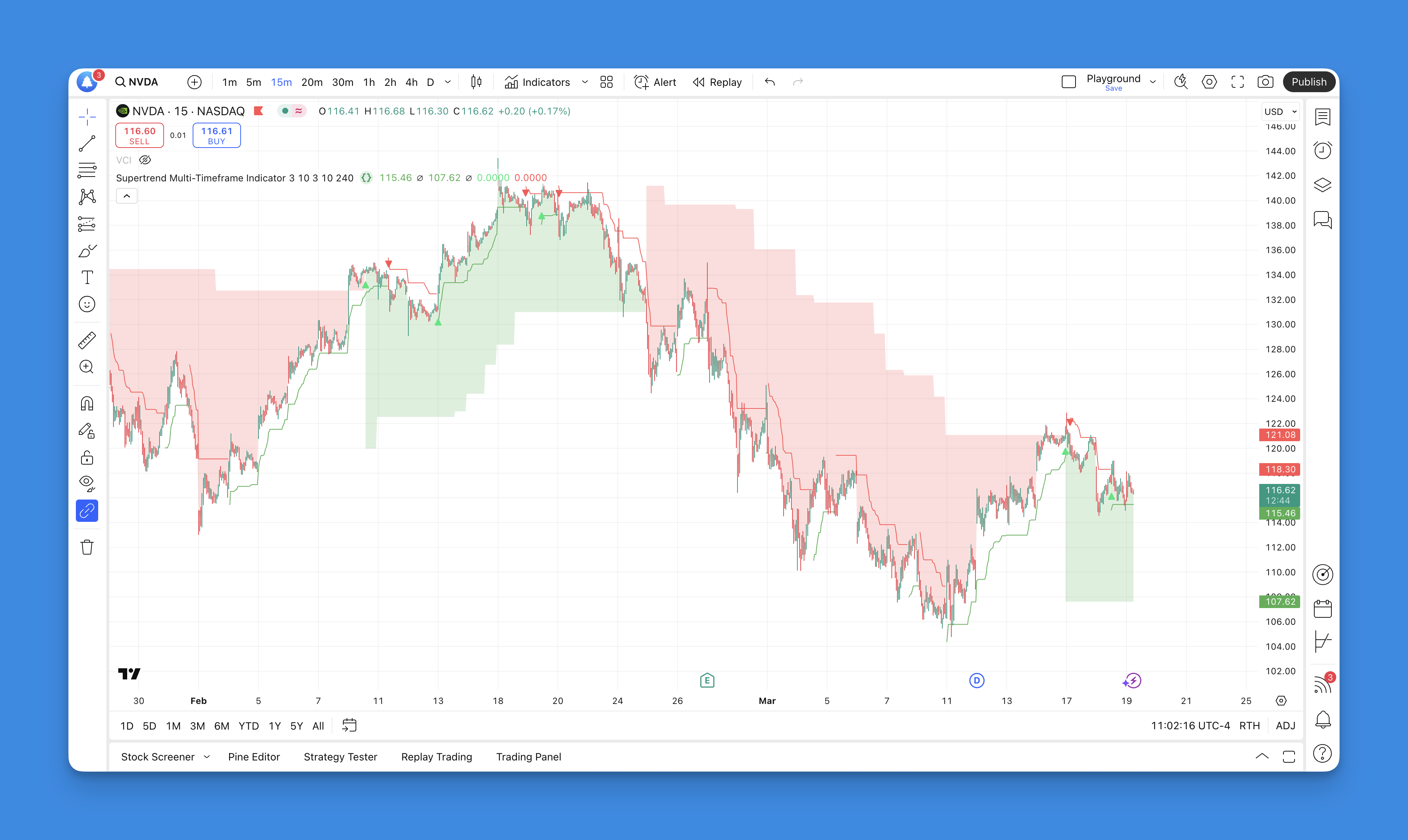
What is Multi-Timeframe Analysis?
Multi-Timeframe analysis involves examining price action across various time frames to identify trends and potential reversals. By analyzing multiple time frames, traders can confirm signals and enhance their trading strategies. For example, a trader might look at a daily chart for the overall trend while using a shorter time frame, like 15 minutes, to pinpoint entry and exit points.
Effortless Multi-Timeframe Strategy Implementation
Pineify revolutionizes multi-timeframe analysis by enabling traders to combine data from various chart intervals without writing code. The platform supports simultaneous use of daily, hourly, and minute-based data streams within a single strategy. Users can create composite indicators that analyze weekly trends while executing trades based on 15-minute chart patterns, all through an intuitive visual interface.
Key Features for Timeframe Flexibility
- Cross-Interval Data Integration: Compare RSI values across 4-hour and 15-minute charts in real-time
- Symbol-Timeframe Pairing: Analyze NASDAQ futures on 1D charts against S&P 500 ETF 4H data
- Automated Resolution Handling: Pineify automatically converts between timeframes without manual coding
Website: Pineify
Click here to view all the features of Pineify.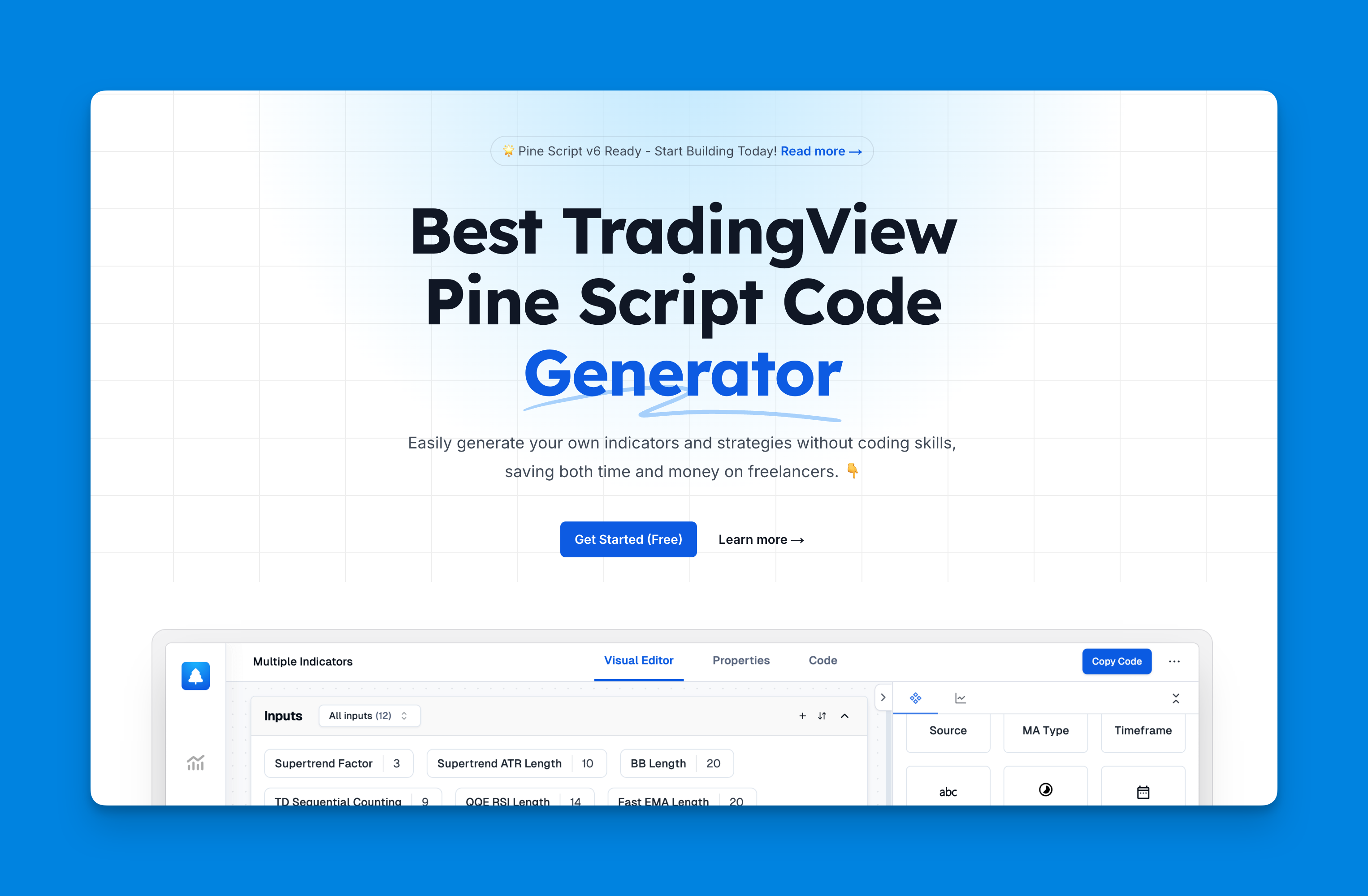
How to Implement MTF in Pine Script
To utilize MTF functionality in Pine Script, traders can easily modify existing scripts or create new ones. The key is to incorporate the timeframe parameter within the indicator declaration. This allows users to select their desired time frame directly from the script’s input options.
Here’s a basic example of how to implement MTF in a Pine Script:
// This source code is subject to the terms of the Mozilla Public License 2.0 at https://mozilla.org/MPL/2.0/
// © Pineify

//======================================================================//
//                    ____  _            _  __                          //
//                   |  _ \(_)_ __   ___(_)/ _|_   _                    //
//                   | |_) | | '_ \ / _ \ | |_| | | |                   //
//                   |  __/| | | | |  __/ |  _| |_| |                   //
//                   |_|   |_|_| |_|\___|_|_|  \__, |                   //
//                                             |___/                    //
//======================================================================//

//@version=6
indicator(title="[Pineify - Best Pine Script Generator] Multi-Timeframe Moving Average", shorttitle="MTF MA", overlay=true, timeframe="D")
length = input.int(14, title="MA Length")
src = input.source(close, title="Source")
ma = ta.sma(src, length)
plot(ma, color=color.blue)
In this script, the moving average is calculated based on the daily time frame regardless of the chart’s current time frame. This flexibility allows traders to adapt their strategies based on broader market conditions.
Benefits of Using Different Time Frames

- Trend Confirmation: By analyzing higher time frames, traders can confirm whether a trend is strong or weak.
- Entry and Exit Precision: Shorter time frames provide precise entry and exit points based on real-time price action.
- Risk Management: Understanding market behavior across multiple time frames helps in better risk assessment and management.
Best Practices for MTF Analysis
- Choose Relevant Time Frames: Select time frames that complement each other. For instance, use a combination of daily and hourly charts for a balanced view.
- Avoid Overcomplication: While it’s tempting to analyze many time frames, focus on two or three that provide the most insight for your trading strategy.
- Test Your Scripts: Always backtest your Pine Scripts with historical data to ensure they perform well across different market conditions.
Conclusion
Mastering Multi-Timeframe analysis in Pine Script can significantly enhance your trading effectiveness by providing a comprehensive view of market dynamics.
Pineify Call to Action
Ready to revolutionize your trading strategy with advanced multi-timeframe analysis? Try Pineify today and experience the power of intuitive, code-free trading strategy development.
Start your journey with Pineify now - create sophisticated multi-timeframe strategies without writing a single line of code.