TrendSpider vs. TradingView: Choosing the Right Platform for Your Trading Needs

When it comes to trading platforms, two names often come up in discussions: TrendSpider and TradingView. Both platforms offer powerful tools for traders, but they cater to different needs and preferences. Here’s a breakdown of their features, strengths, and weaknesses to help you decide which one is best for you.
Overview of TrendSpider and TradingView
- TrendSpider: Known for its advanced automation tools, TrendSpider excels in automated chart pattern recognition and technical analysis. It’s ideal for traders who want to streamline their technical analysis process and focus on strategy development.
- TradingView: This platform is renowned for its community-driven features and global market coverage. It offers a wide range of customizable charts and indicators, making it perfect for traders who value collaboration and real-time market insights.
Key Features Comparison
| Feature | TrendSpider | TradingView |
|---|---|---|
| Automated Chart Patterns | Advanced AI-powered recognition | Limited automated pattern recognition |
| Community | Limited community features | Vibrant community with live streams and shared ideas |
| Backtesting | User-friendly backtesting tools | Advanced backtesting with Pine Script |
| Broker Integration | No integration | Supports broker integration |
| Heatmaps | Focuses on specific price action | Offers market-wide heatmaps |
| Markets | U.S. stocks, futures, crypto, forex | Global stocks, futures, crypto, forex |
| Pricing | More expensive, starting at $39/month | Less expensive, starting at $14.95/month |
Enhancing TradingView with Pineify: A Game-Changer for Technical Analysis
TradingView remains one of the most popular charting platforms, but its free tier limits users to only two indicators per chart—a significant drawback for technical analysis enthusiasts. However, a powerful third-party solution called Pineify has emerged to transform TradingView's capabilities without requiring coding knowledge or expensive subscriptions.
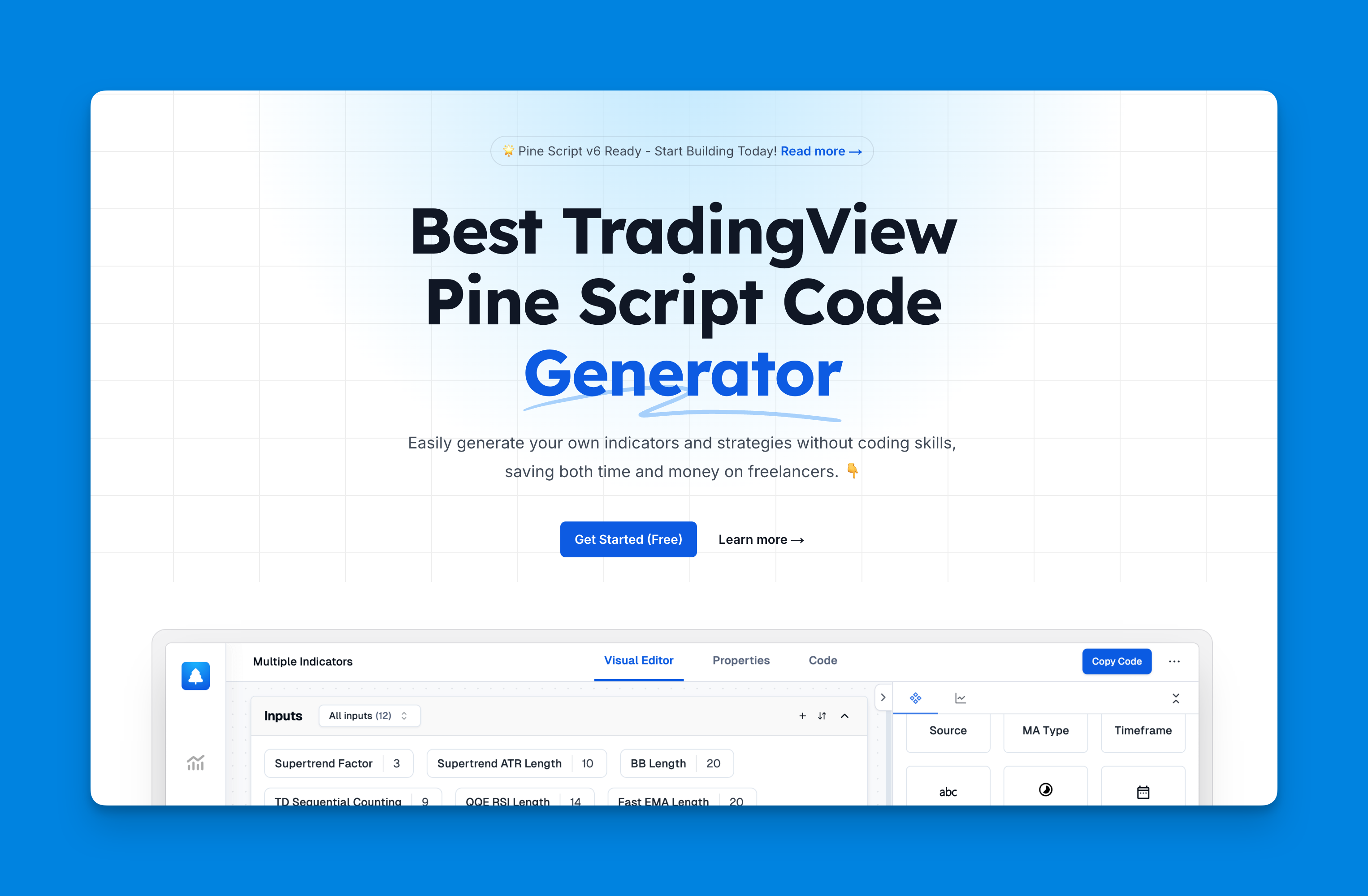
Pineify functions as a Pine Script generator and editor that seamlessly integrates with TradingView, allowing traders to bypass the platform's indicator limitations. With Pineify, users can add unlimited technical indicators to their TradingView charts, even with just the free plan. The tool enables traders to create custom indicators and strategies through an intuitive visual interface rather than writing complex Pine Script code.
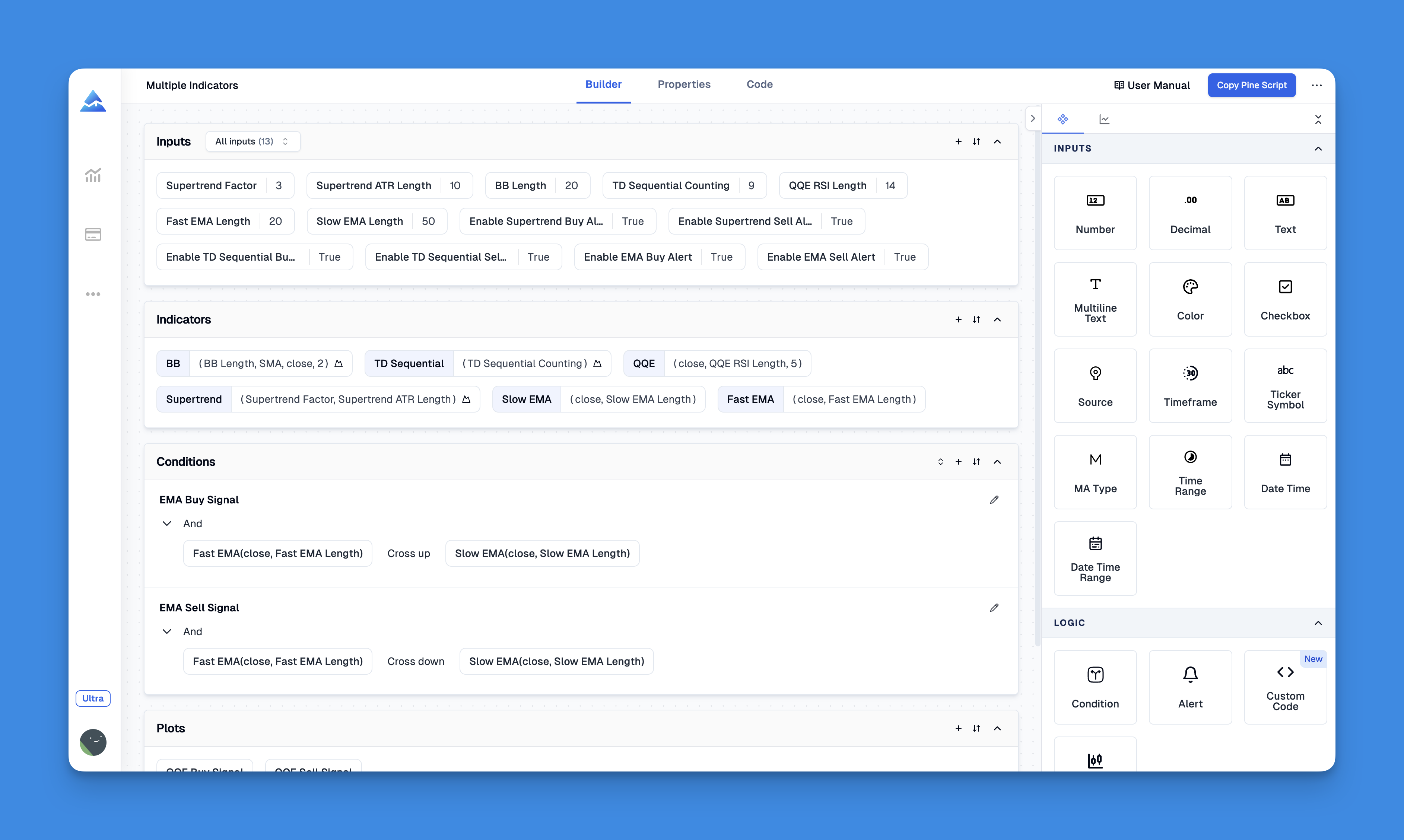
Website: Pineify
Click here to view all the features of Pineify.Choosing Between TrendSpider and TradingView
For Advanced Technical Analysis
If you’re an experienced trader looking to automate your technical analysis, TrendSpider is the better choice. Its AI-driven tools can quickly identify complex patterns and trends, saving you time and effort.
For Community and Global Market Insights
If you prefer a platform with a strong community aspect and access to global market data, TradingView is ideal. It offers extensive customization options and real-time data from international markets.
Conclusion
Ultimately, the choice between TrendSpider and TradingView depends on your trading style and priorities. Both platforms offer unique strengths, so consider what matters most to you: advanced automation or community-driven insights.
Take Action Today!
- Try TrendSpider if you’re focused on advanced technical analysis and automation.
- Explore TradingView for its community features and global market coverage.