How to Run Pine Script in TradingView: A Complete Beginner's Guide
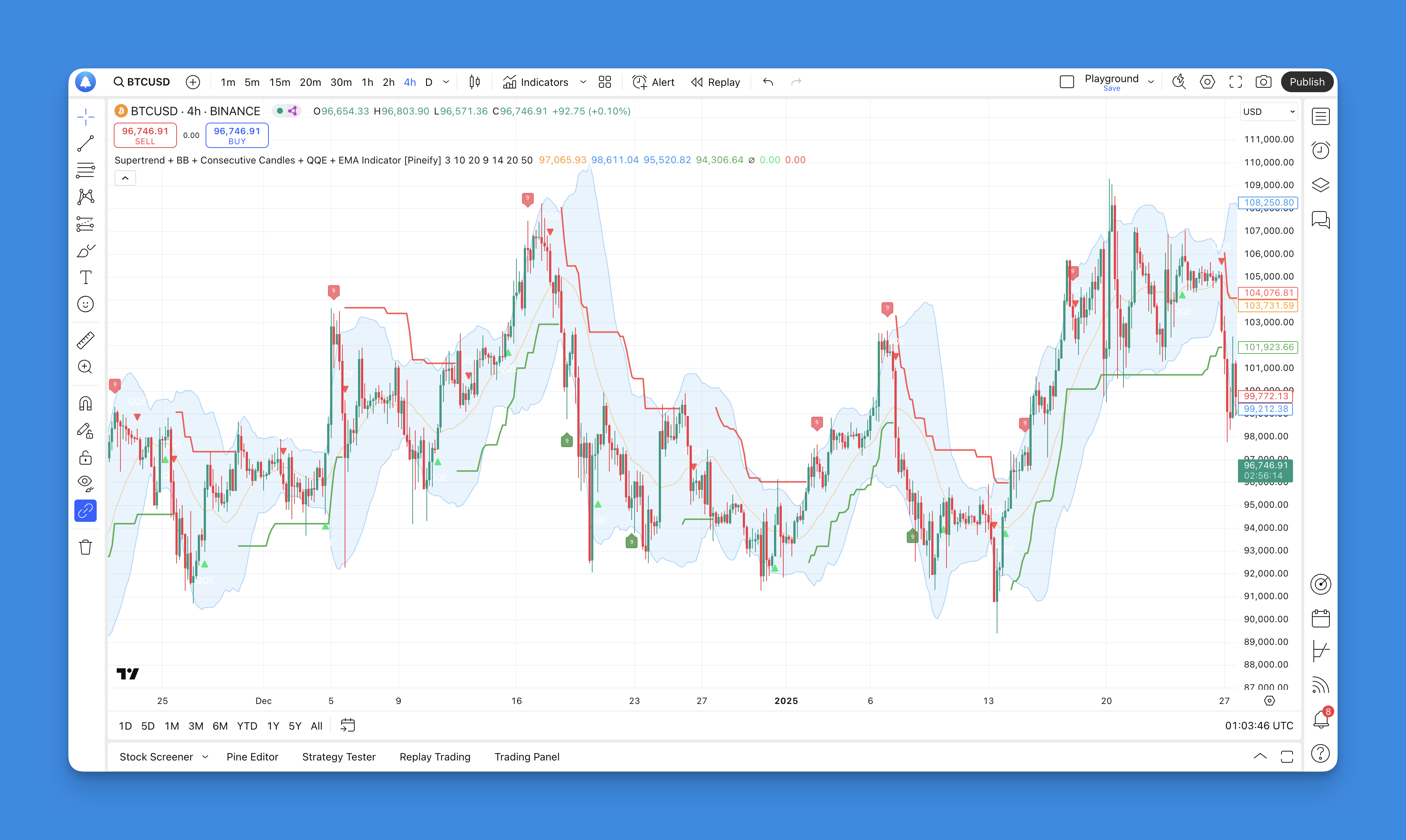
So you want to run Pine Script in TradingView? I totally get it – you've been staring at all those fancy custom indicators on charts, thinking "I wish I could create something like that myself." Here's the thing: it's actually way more straightforward than most people think.
Pine Script is TradingView's programming language that lets you build your own indicators and trading strategies from scratch. Instead of being limited to the standard tools everyone else uses, you can create something that fits exactly what you're looking for. And the best part? You don't need to be a programming wizard to get started.

What You Actually Need to Get Started
Here's the good news – you don't need much. Just a TradingView account, and the free version works perfectly fine to begin with. That's literally it. No special software, no premium subscriptions required to start experimenting.
Step-by-Step: Running Your First Pine Script
Let me walk you through this process like I'm sitting right next to you, because honestly, once you do it once, you'll wonder why you were overthinking it.
Step 1: Locate the Pine Editor
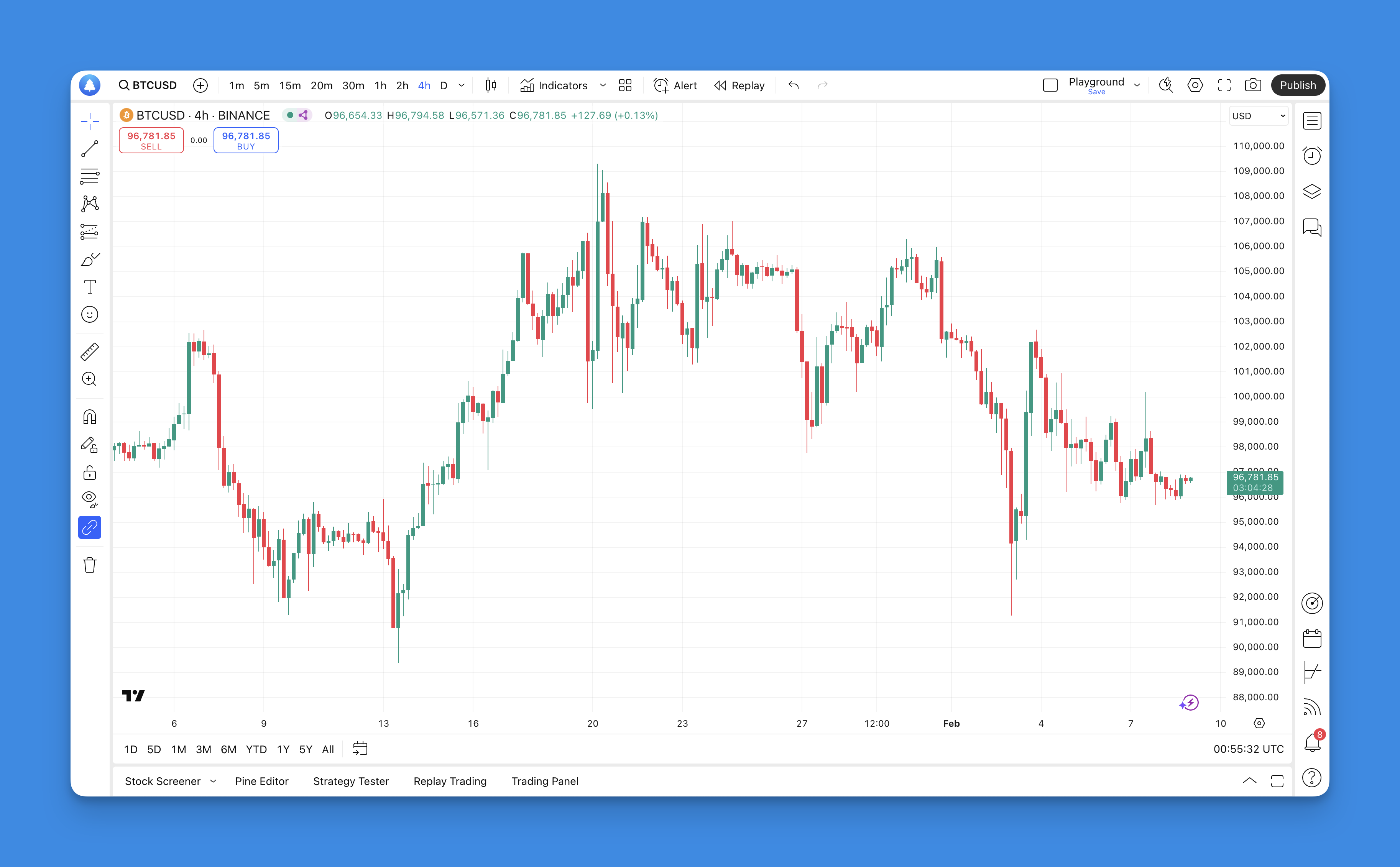
The Pine Editor is already built into TradingView – you just need to find it. Look at the bottom of your chart screen and you'll see a tab labeled "Pine Editor." If you don't see it immediately, try scrolling down or checking if any windows are covering it.

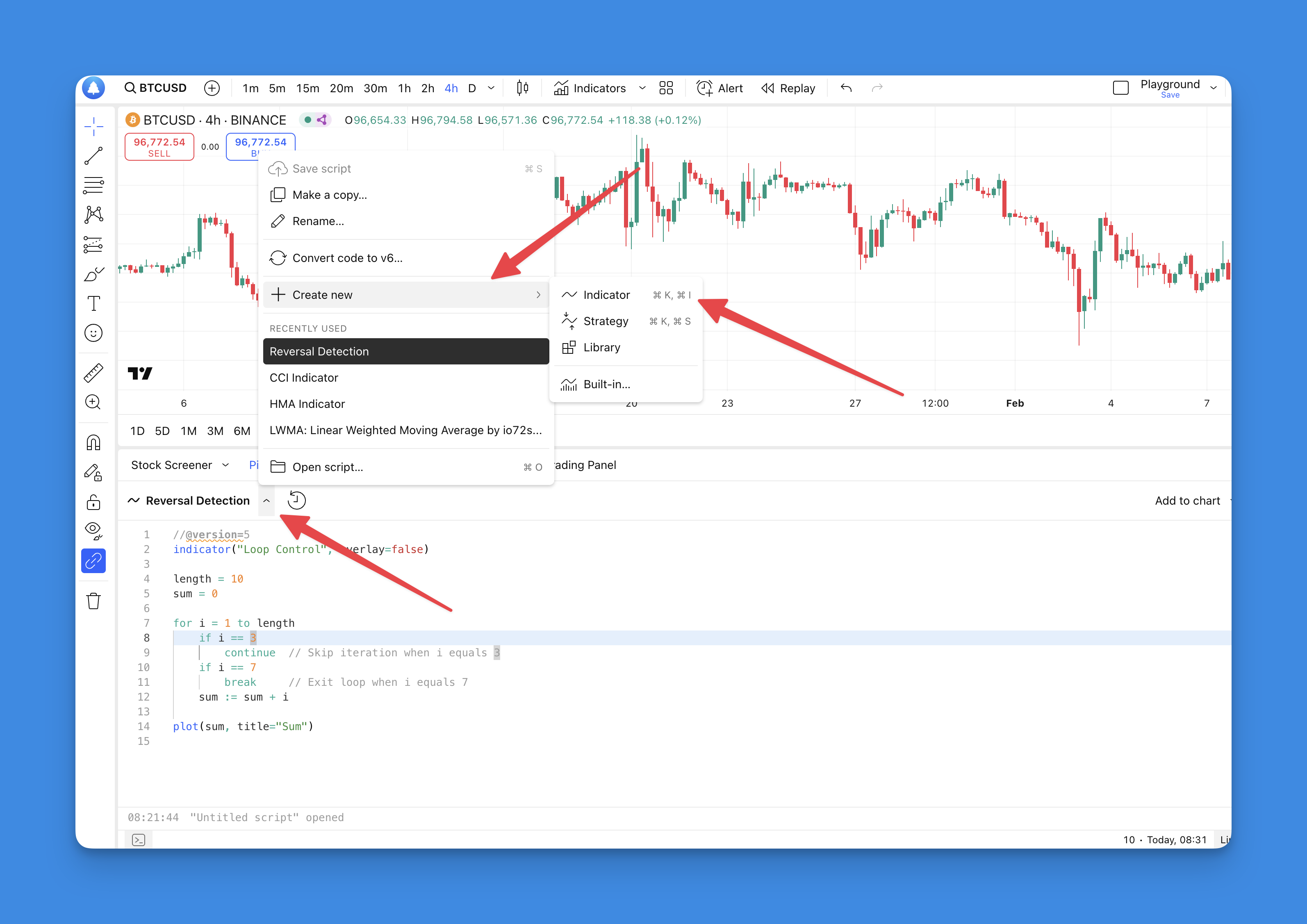
Step 2: Create Your New Script
Once you're in the Pine Editor, click that "New" button. You'll get two choices: "Blank indicator script" or "Blank strategy script." Here's the difference – indicators just display information on your chart (like showing trend lines or momentum), while strategies actually simulate buying and selling decisions for backtesting.

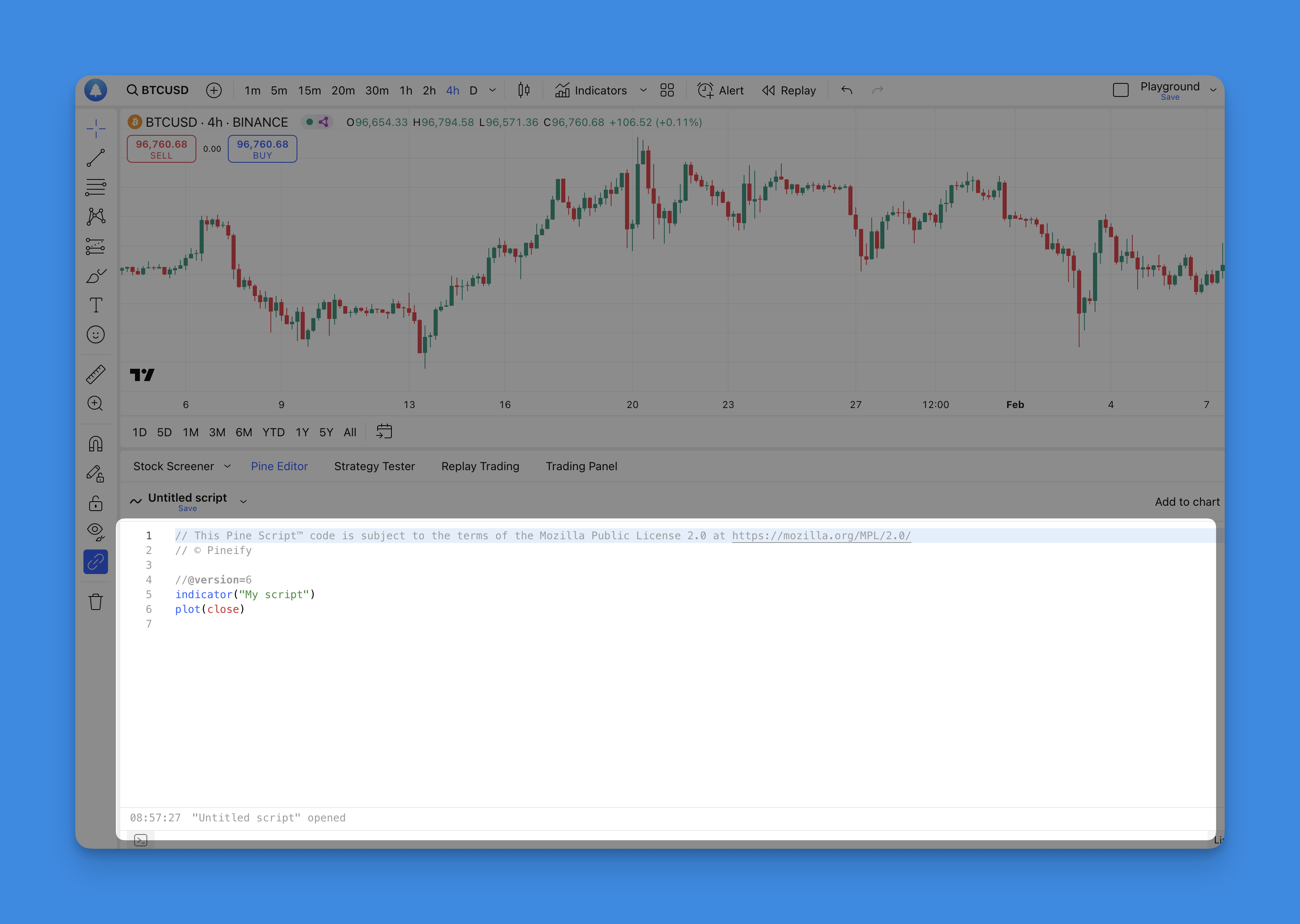
Step 3: Add Your Code
This is where it gets interesting. You can either write your own Pine Script code from scratch or copy existing code from the community. When I was starting out, I'll be honest – I copied a lot of code and then modified it piece by piece until I understood what each part did. There's no shame in learning this way.

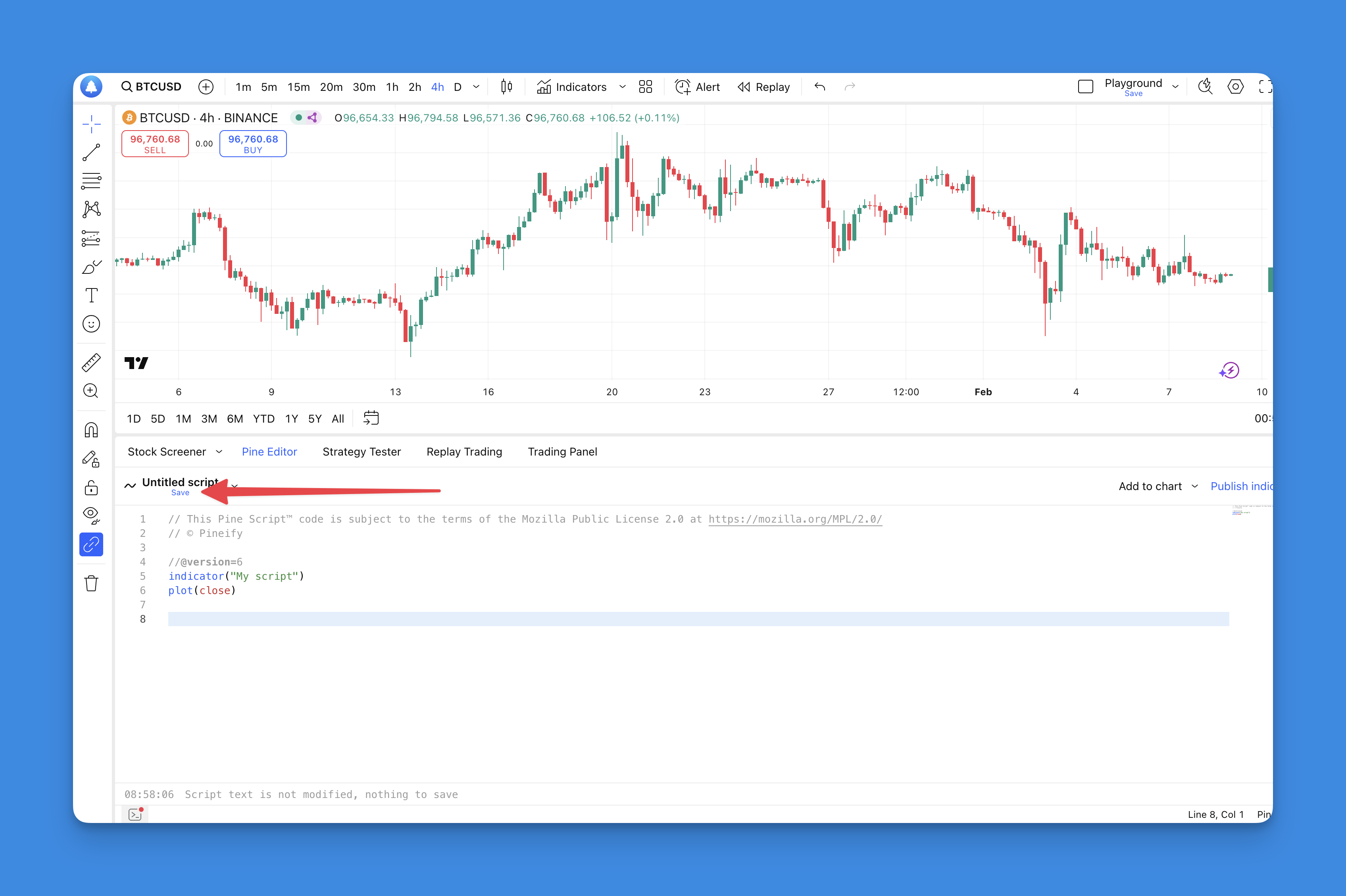
Step 4: Save Your Work
Hit Ctrl+S or click the save button. TradingView automatically stores your scripts in the cloud, which means you can access them from any device. Pretty convenient when you're tweaking strategies on the go.

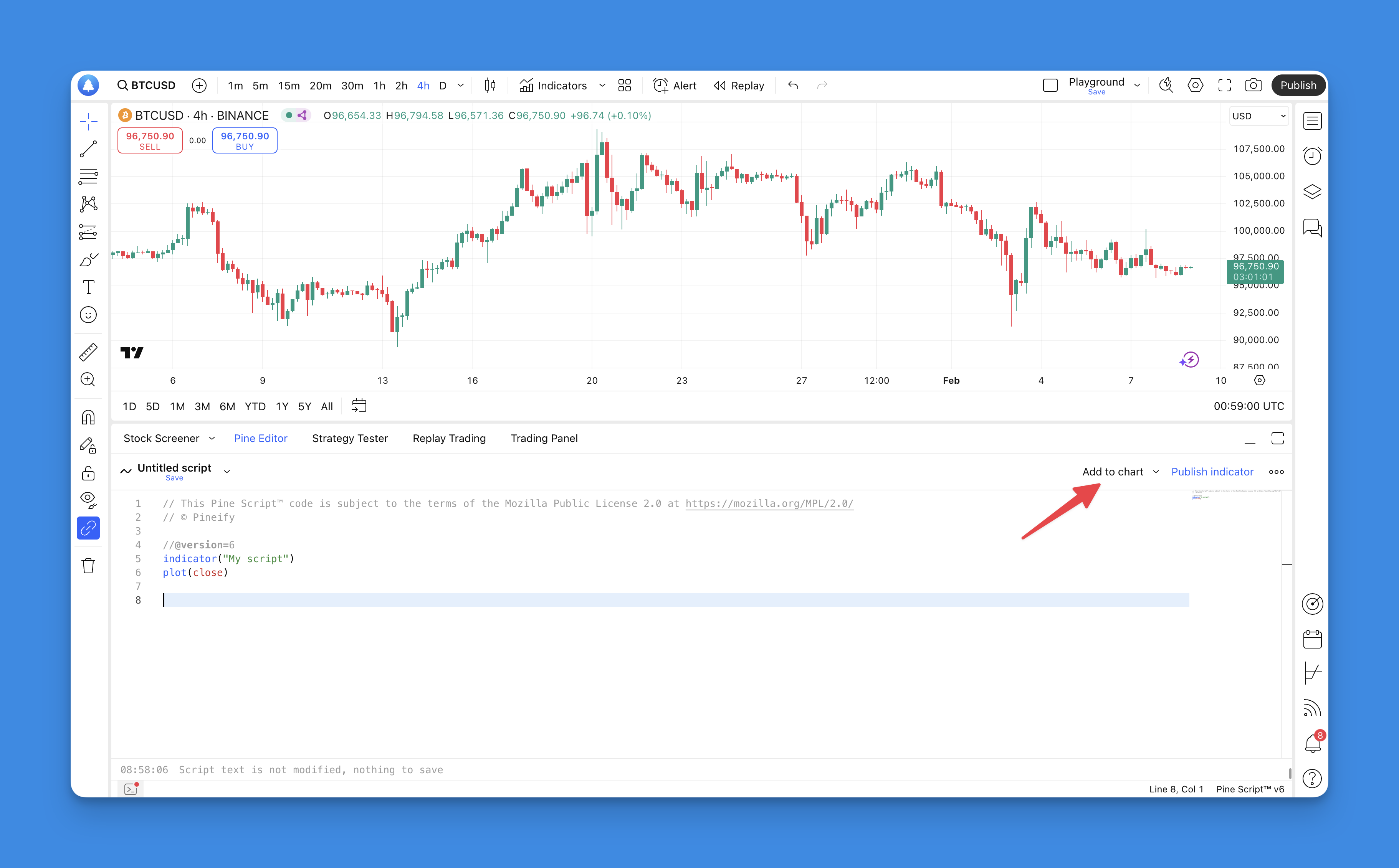
Step 5: Apply It to Your Chart
Here's the moment of truth – click "Add to Chart" and watch your creation come to life. If something goes wrong (and trust me, it happens to everyone), don't panic. Pine Script will show you error messages that are usually pretty helpful in pointing out what needs fixing.

Understanding TradingView's Ecosystem
TradingView has become the go-to platform for traders because it combines powerful charting tools with a social aspect. It's like having access to a Bloomberg terminal, but with a community of traders sharing ideas and strategies. The Pine Script feature is what really sets it apart from other platforms.
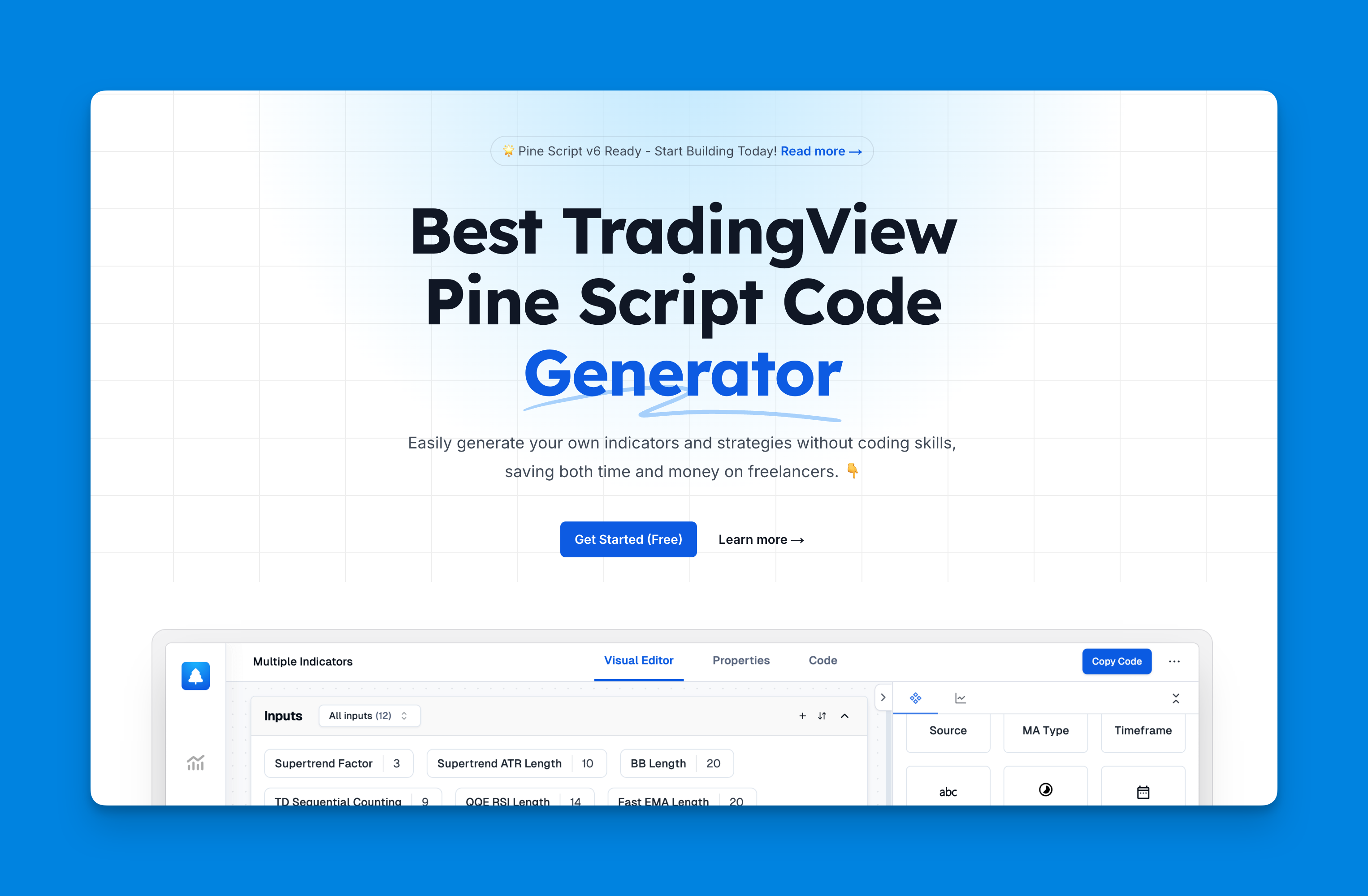
If you're not comfortable with coding yet, there are tools like Pineify that can help bridge that gap. It lets you create Pine Script indicators without diving deep into programming syntax, which is perfect when you have a trading idea but don't want to spend weeks learning to code it.
Website: Pineify
Check out what Pineify can do if you're curious about no-code solutions.
Important Things to Remember
Know the Difference Between Indicators and Strategies
Indicators are like your car's dashboard – they show you information (speed, fuel level, engine temperature). In trading terms, they might show moving averages, momentum, or volatility. Strategies, on the other hand, are like having an autopilot that makes actual driving decisions based on that dashboard information.
Always Test Before Going Live
This cannot be stressed enough. TradingView has excellent backtesting capabilities built right in. Before you even think about using real money, run your strategy against historical data. You'll often discover that what looks good in theory doesn't always work in practice. Learn more about effective strategy testing to avoid costly mistakes.
Start Simple and Build Up
Don't try to create the next revolutionary trading algorithm on day one. Start with simple modifications to existing indicators, then gradually add complexity as you understand how different components work together.
A Real Code Example You Can Try
Let's look at a basic MACD indicator that you can actually use:
//@version=5
indicator("My Custom MACD", shorttitle="MACD")
// Input parameters
fastLength = input(12, title="Fast Length")
slowLength = input(26, title="Slow Length")
signalLength = input(9, title="Signal Length")
// Calculate the MACD
fastMA = ta.ema(close, fastLength)
slowMA = ta.ema(close, slowLength)
macd = fastMA - slowMA
signal = ta.ema(macd, signalLength)
histogram = macd - signal
// Plot the results
plot(macd, color=color.blue, title="MACD")
plot(signal, color=color.red, title="Signal")
plot(histogram, color=color.gray, style=plot.style_columns, title="Histogram")
Breaking this down:
//@version=5tells TradingView which version of Pine Script we're using- The
input()functions create adjustable settings that appear in the indicator's settings panel - We calculate exponential moving averages and then derive the MACD values
- The
plot()functions display everything on your chart
This creates a fully functional MACD indicator that you can customize and modify. If you want to explore more indicators without coding, check out our guide on combining multiple indicators for better trading signals.
Advanced Features Worth Exploring
Once you're comfortable with the basics, Pine Script offers some powerful features. You can create multi-timeframe analysis tools that show you what's happening across different time horizons simultaneously. You can also set up automated alerts that notify you when specific conditions are met.
For those interested in more sophisticated strategies, Pine Script supports everything from simple moving average crossovers to complex machine learning applications. The language continues to evolve, with regular updates adding new capabilities.
Common Mistakes to Avoid
Overcomplicating Things: New users often try to cram too many conditions into one script. Keep it simple initially.
Ignoring Risk Management: Your script might generate great signals, but without proper position sizing and stop losses, even good strategies can fail.
Not Understanding Repainting: Some indicators can change their historical values, which makes backtesting unreliable. Always verify that your strategy behaves consistently.
Getting Help When You're Stuck
The TradingView community is surprisingly helpful. The Pine Script documentation is comprehensive, and there are active forums where experienced developers share knowledge. Don't hesitate to ask questions – everyone started as a beginner.
Wrapping Up
Running Pine Script in TradingView really isn't complicated once you break it down into steps. You open the editor, add your code, save it, and apply it to your chart. The real challenge comes in developing profitable strategies, but that's where the fun begins.
Remember, even professional traders started by copying code and gradually understanding how it works. Focus on learning one concept at a time, test everything thoroughly, and never risk money you can't afford to lose.
The beauty of Pine Script is that it democratizes trading tool creation. What used to require expensive software and deep programming knowledge is now accessible to anyone willing to learn. Start with simple modifications to existing indicators, then gradually build your skills.
Most importantly, enjoy the process. There's something deeply satisfying about seeing your own custom indicator working on a live chart, especially when it helps you make better trading decisions.
Good luck, and happy coding!