Pine Script Divergence: How to Spot Market Reversals Before They Happen
Ever watched the market make a new high while your RSI indicator quietly disagreed? That disconnect you're seeing is called divergence, and it's one of the most reliable early warning signals in trading. When price and momentum indicators start arguing with each other, something interesting is usually about to happen.
I've been using divergence patterns for years, and once you understand how they work, you'll start spotting potential reversals days before other traders catch on. Let me show you exactly how to identify, code, and trade these powerful signals using Pine Script.
What Exactly Is Divergence in Trading?
Picture this: you're at a party and two friends walk in together. Usually, they stick together all night. But tonight, one heads to the kitchen while the other goes straight to the dance floor. That split? That's basically what divergence looks like in the markets.
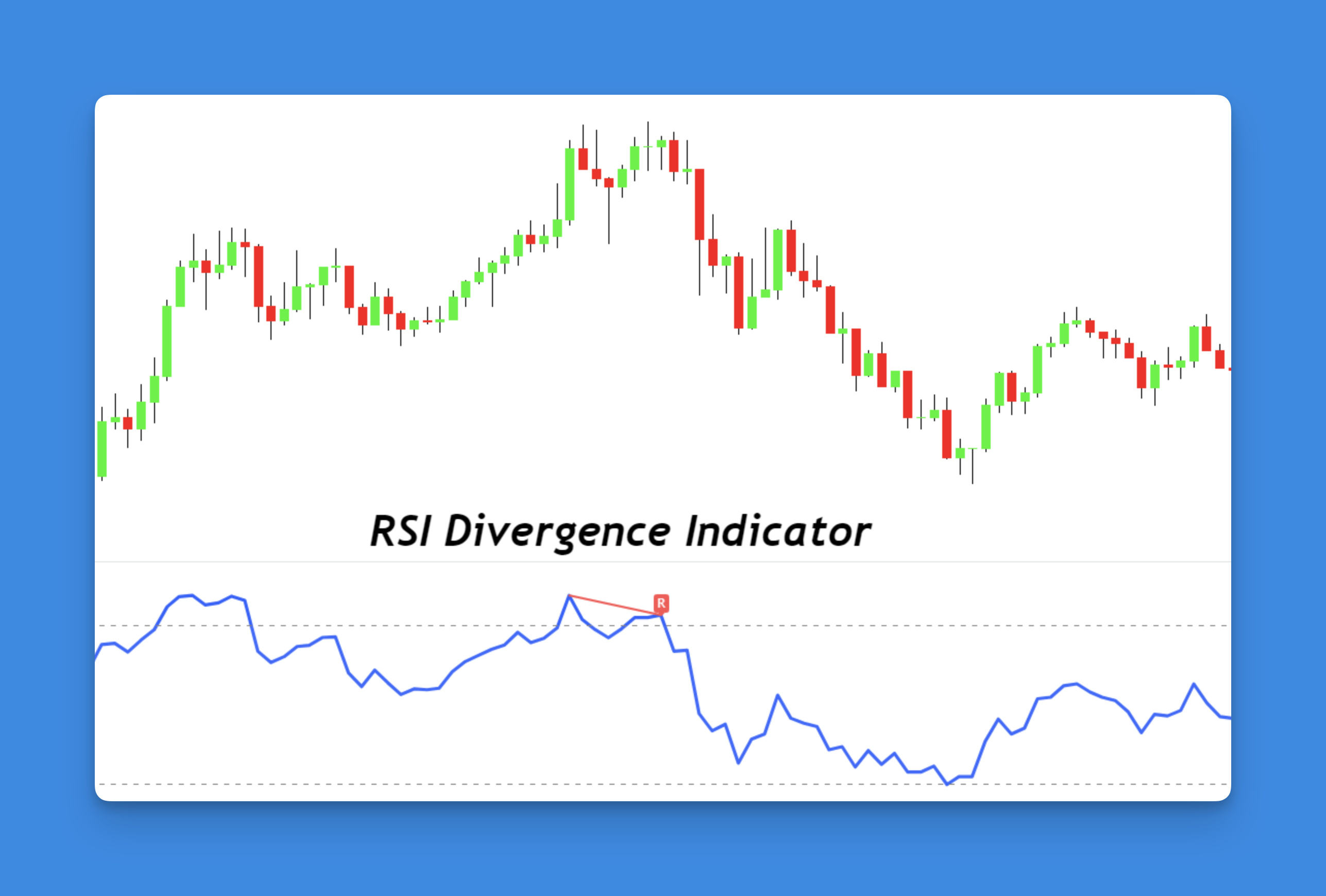
Divergence occurs when price action and a technical indicator move in opposite directions. While the stock price might be making new highs, your momentum oscillator (like RSI or MACD) starts making lower highs. This disagreement often signals that the current trend is losing steam.
There are two main types of divergence every trader should know:
Bullish Divergence (Hidden Buying Opportunity)
This happens when price keeps making lower lows, but your indicator starts forming higher lows. The market looks terrible on the surface, but underneath, selling pressure is actually weakening. It's like watching a boxer get knocked down repeatedly, but each time they get up faster than before.
What it means: The downtrend is losing momentum, and a reversal to the upside might be coming.
Bearish Divergence (Warning of Weakness)
Here, price continues making higher highs while your indicator forms lower highs. The rally looks strong, but the engine is running out of gas. Think of a runner sprinting uphill - they might still be moving forward, but their pace is clearly slowing.
What it means: The uptrend is weakening, and a pullback or reversal could be imminent.
Why Pine Script Makes Divergence Trading Easier
Manually spotting divergence patterns is like trying to find a needle in a haystack while wearing sunglasses. You'll miss half the signals and second-guess the ones you do find. That's where Pine Script's automated detection capabilities come in handy.
With Pine Script, you can:
- Automate pattern recognition so you never miss a signal
- Set custom alerts that notify you the moment divergence appears
- Backtest your strategies to see which timeframes and settings work best
- Combine multiple indicators for more reliable signals
Getting Started with Pine Script Divergence Detection
Here's the basic approach I use when coding divergence indicators:
- Choose your base indicator (RSI, MACD, or Stochastic work well)
- Define peak and trough detection using Pine Script's built-in functions
- Compare price action to indicator action over the same time periods
- Set up alerts and visual markers when divergence patterns form
The beauty of Pine Script is that once you set it up, it runs automatically. No more staring at charts for hours trying to spot patterns manually.
Practical Divergence Trading Strategies
Let me share some strategies that have worked consistently in my trading:
The RSI Divergence Strategy
RSI divergence is probably the most popular because it's relatively easy to spot and code. When RSI moves opposite to price for 3-5 bars, you've got a potential signal. I typically look for:
- RSI above 70 for bearish divergence (overbought conditions)
- RSI below 30 for bullish divergence (oversold conditions)
- Clear divergence over at least 3 swing points
The MACD Momentum Strategy
MACD divergence often gives earlier signals than RSI because it's more sensitive to price changes. The key is watching the MACD histogram - when it starts forming lower highs while price makes higher highs, that's your cue.
You can learn more about implementing MACD strategies in Pine Script through this comprehensive MACD crossover guide.
Multi-Timeframe Divergence Confirmation
Here's where things get interesting. Instead of relying on one timeframe, I use Pine Script to check for divergence across multiple timeframes simultaneously. When I see divergence on both the 1-hour and 4-hour charts, the signal becomes much more reliable.
Building Your Pine Script Divergence Detector
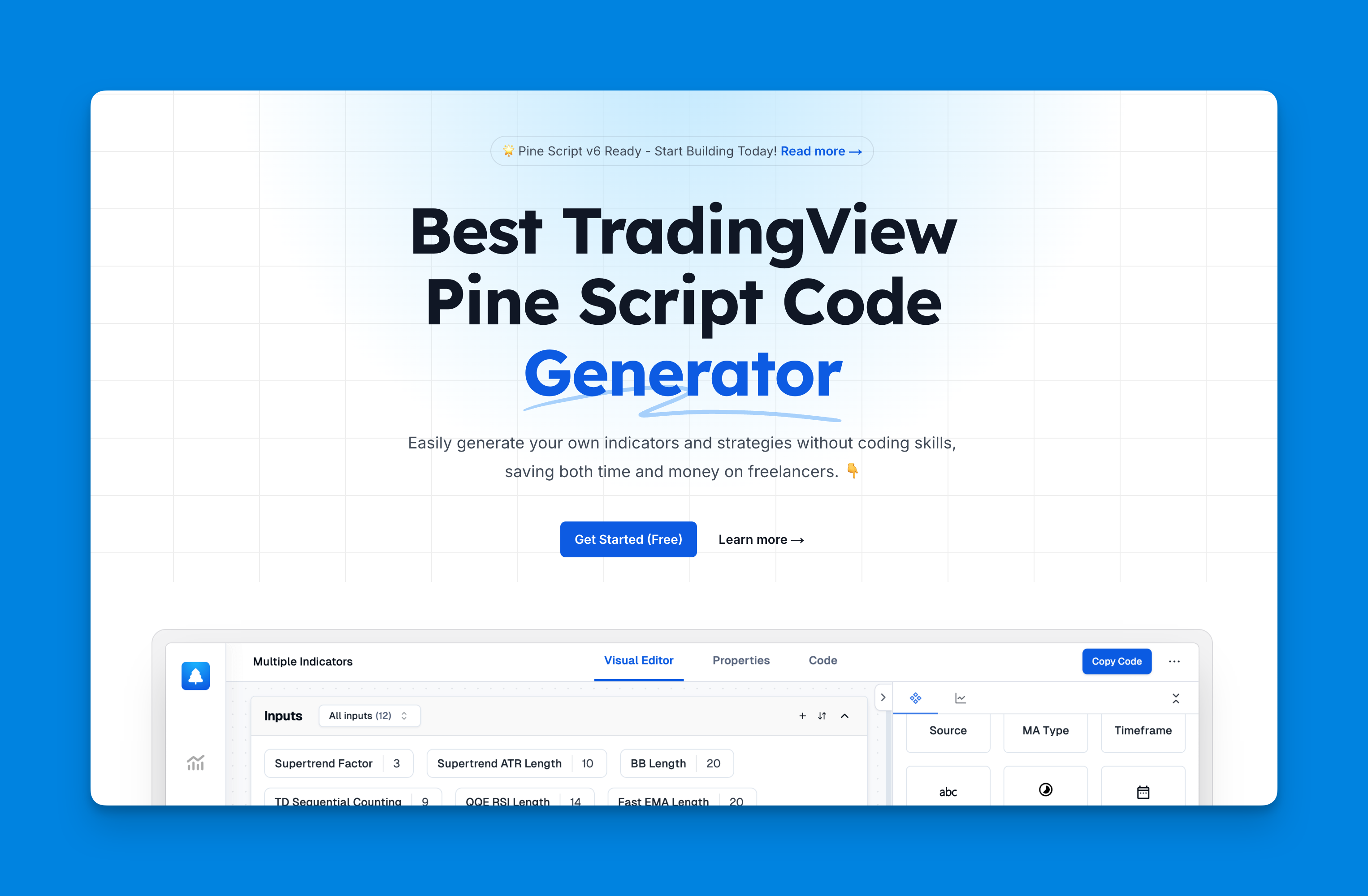
If coding isn't your thing (and trust me, I get it), tools like Pineify let you build sophisticated divergence detectors without writing a single line of code. You can visually design your strategy, set up alerts, and even backtest everything - no programming experience required.
For those who want to dive into the code, here are the key Pine Script functions you'll need:
ta.rsi()for RSI calculationsta.pivothigh()andta.pivotlow()for peak detectionalert()for notificationsplotshape()for visual markers
The process involves identifying swing highs and lows in both price and your chosen indicator, then comparing their directions over time.
Why Divergence Works (And When It Doesn't)
Divergence works because it reveals the underlying strength or weakness that price action might not show immediately. When institutions start quietly accumulating or distributing shares, momentum indicators pick up on this activity before it becomes obvious in the price chart.
However - and this is crucial - divergence isn't foolproof. Sometimes markets just keep trending despite what indicators suggest. That's why successful traders always:
- Use divergence as confirmation, not a standalone signal
- Combine it with support/resistance levels
- Consider overall market conditions and volume
- Always use proper risk management
Advanced Divergence Techniques
Once you've mastered basic divergence detection, try these advanced approaches:
Hidden Divergence
This occurs during trend continuations rather than reversals. In an uptrend, hidden bullish divergence happens when price makes higher lows but the indicator makes lower lows. It suggests the trend will continue rather than reverse.
Volume-Confirmed Divergence
Adding volume analysis makes divergence signals much more reliable. When you see bearish divergence accompanied by declining volume on rallies, it's a strong sign that buying interest is fading.
Multiple Indicator Confirmation
Instead of relying on just RSI or MACD, use multiple oscillators. When RSI, Stochastic, and CCI all show divergence simultaneously, you've got a high-probability setup.
Risk Management for Divergence Trading
Here's the reality check nobody talks about: divergence signals can be wrong, sometimes spectacularly so. I've seen traders blow up accounts because they went all-in on what looked like perfect divergence setups.
Essential risk management rules:
- Never risk more than 2% per trade - divergence or not
- Use stop losses below recent support/resistance levels
- Start with small position sizes while you learn
- Don't trade divergence during major news events
- Keep a trading journal to track what works and what doesn't
The goal isn't to be right 100% of the time (impossible), but to make more on winning trades than you lose on losing ones.
Testing Your Divergence Strategy
Before risking real money, thoroughly backtest your approach. Pine Script's strategy testing features let you see exactly how your divergence signals would have performed historically. Look for:
- Win rate above 50%
- Average winning trade larger than average losing trade
- Consistent performance across different market conditions
- Reasonable drawdown periods
You can enhance your backtesting process by learning about Pine Script's comprehensive strategy testing capabilities.
Putting It All Together
Divergence trading isn't about finding a magic formula that works every time. It's about developing a systematic approach to spot when momentum is shifting before price confirms it. Pine Script gives you the tools to automate this process, but success still comes down to patience, discipline, and proper risk management.
Start simple - pick one indicator like RSI, code basic divergence detection, and paper trade your signals for a month. Once you're consistently profitable in simulation, gradually move to live trading with small positions.
Remember, the best traders aren't the ones who find the most signals - they're the ones who wait for the highest-quality setups and manage their risk religiously. Divergence patterns can give you a significant edge, but only if you approach them with the right mindset and methodology.
The market will always humble overconfident traders, but those who respect its complexity while using tools like divergence analysis tend to do much better over time. Give yourself time to learn, stay disciplined with your approach, and let the patterns work for you rather than forcing trades that aren't there.