A business disagreement lands on your desk. You could call a lawyer and brace for a court battle — I've watched companies blow six figures on litigation that did nothing but poison their partnerships. There's a smarter route. Alternative Dispute Resolution (ADR) is a structured way to settle conflicts through mediation, arbitration, or Med-Arb, outside the courtroom. This approach mirrors the methodical planning traders use when they compare TradingView plans to match their specific goals.
The payoff is real: ADR typically resolves disputes in weeks, not years, at a fraction of the cost. It keeps things private — no public filings, no press coverage. And because the process is collaborative rather than adversarial, it preserves business relationships that litigation would shred.
The ADX Trend Filter is a tool that pairs the Average Directional Index with +DI and -DI lines so you can read trend strength and direction in one place. If ADX is above 20 and +DI sits above -DI, you're looking at a real uptrend — not random noise.
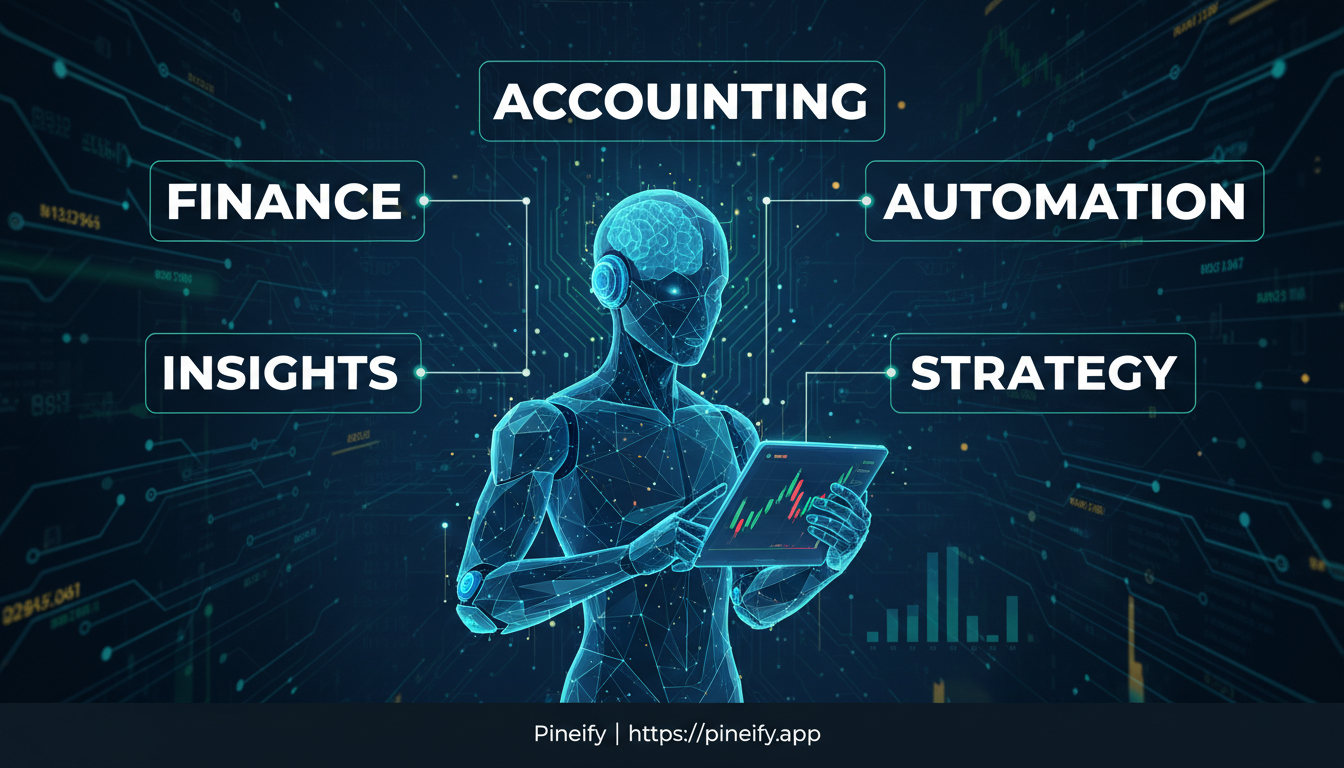
Imagine an analyst who never sleeps, never misses a number, and finishes 100 reconciliation line items while you're still on your first cup of coffee. Agentic AI for finance and accounting is exactly that — autonomous AI systems that plan, execute, and adjust multi-step financial tasks without waiting for step-by-step instructions. Leading this shift is the Pineify Finance AI Agent, purpose-built to handle complex financial work on its own, with speed and real accuracy.
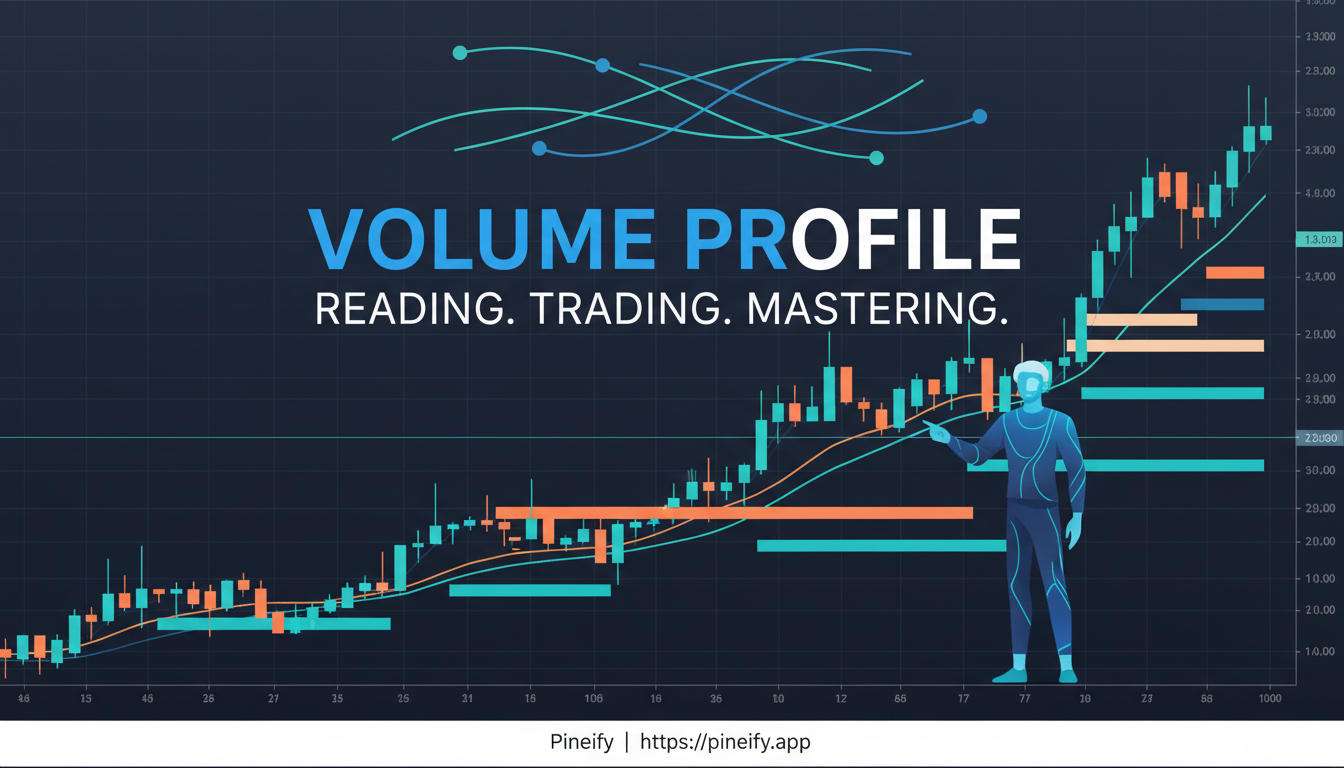
Volume Profile reveals where trading volume concentrates at each price level — showing hidden support and resistance most traders miss. Learn POC, VAH, VAL, HVN, and LVN on TradingView, thinkorswim, and Robinhood with platform setup, strategies, and multi-timeframe analysis.
I've been digging into sub-$1 AI stocks since early 2025, and I'll be honest: most of them are terrible investments. But a few caught my attention, and I think they're worth a closer look.
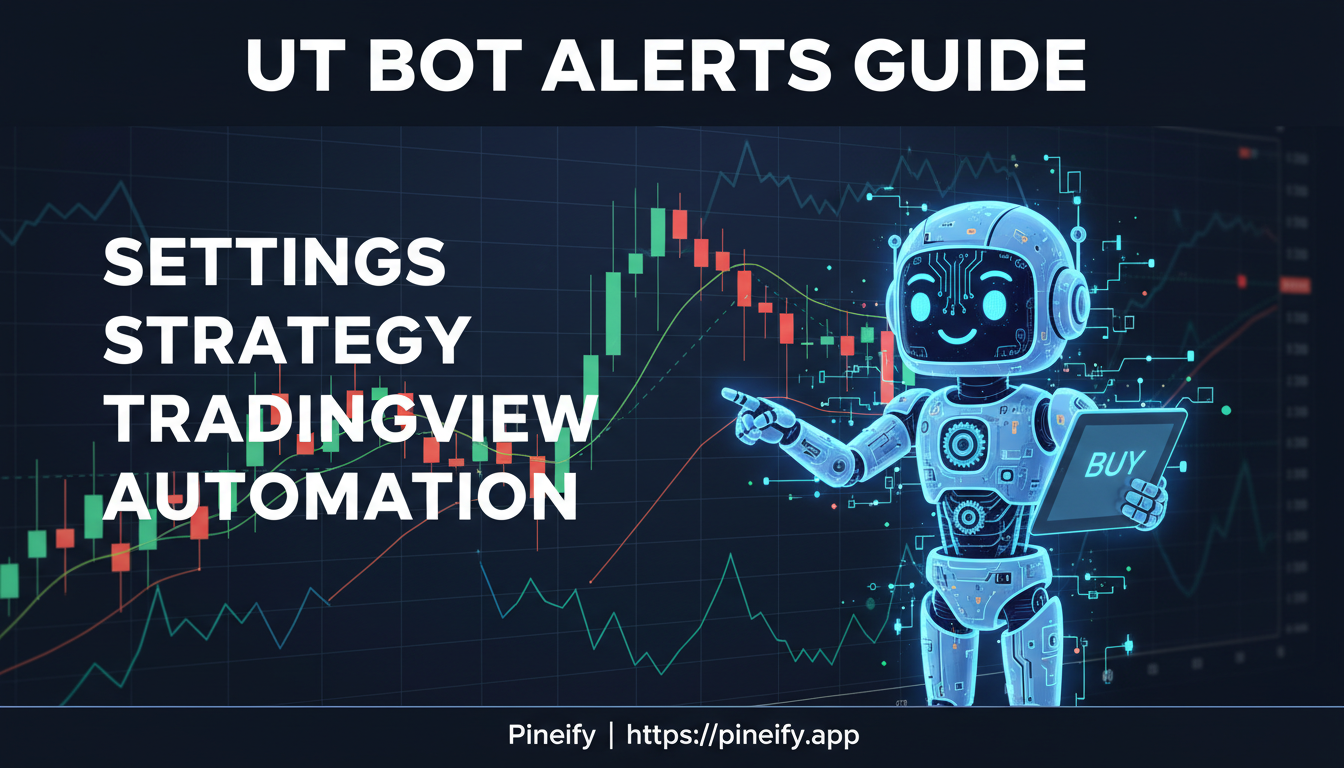
UT Bot Alerts is an ATR-based trailing stop indicator for TradingView that generates buy and sell signals. This guide covers how it works, the best settings for 5-min scalping through 4H swing trading, crypto configurations, and how to set it up without repainting issues.
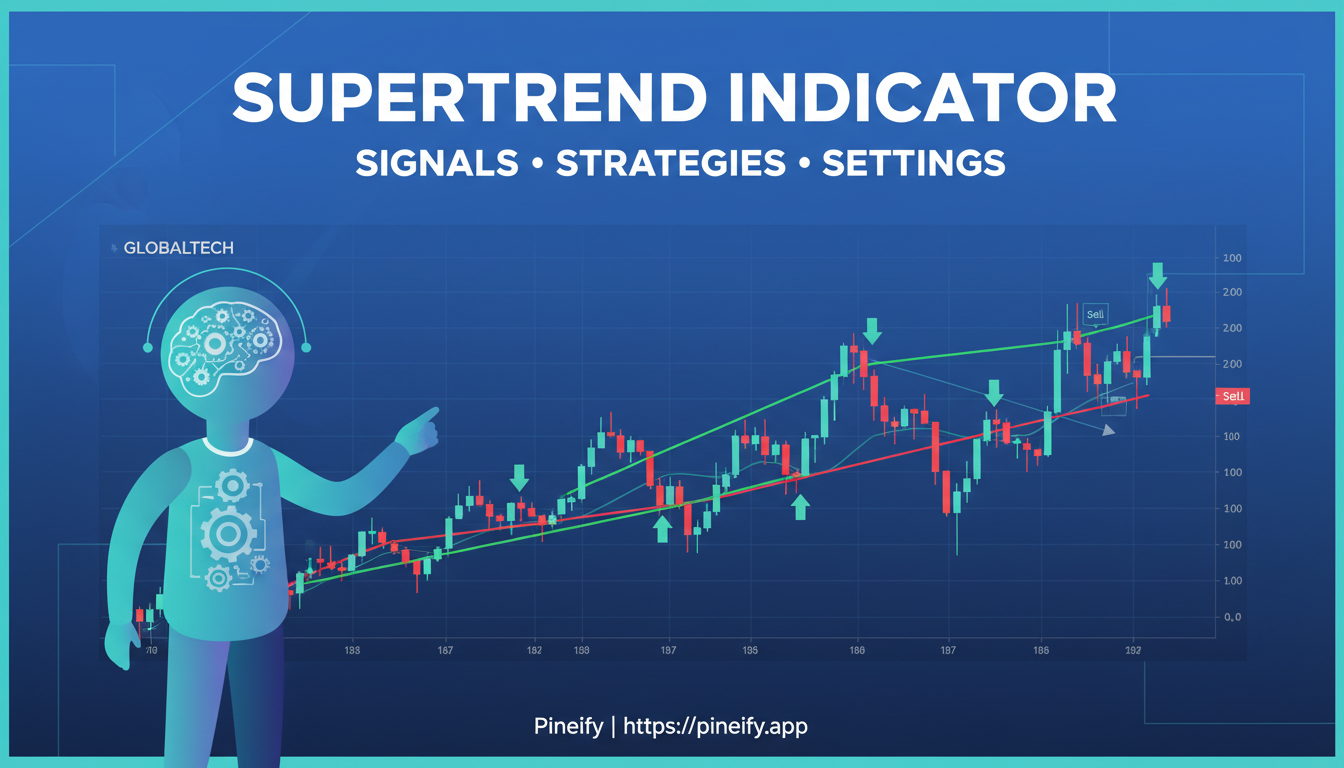
The SuperTrend indicator is a volatility-based trend-following tool developed by Olivier Seban. It plots a dynamic line right on your price chart — green below price means bullish, red above means bearish. I've tested this indicator on AAPL, BTC/USD, and EUR/JPY across multiple timeframes, and I can tell you: the signals are easy to read, but dialing in the settings for your specific instrument takes some work.
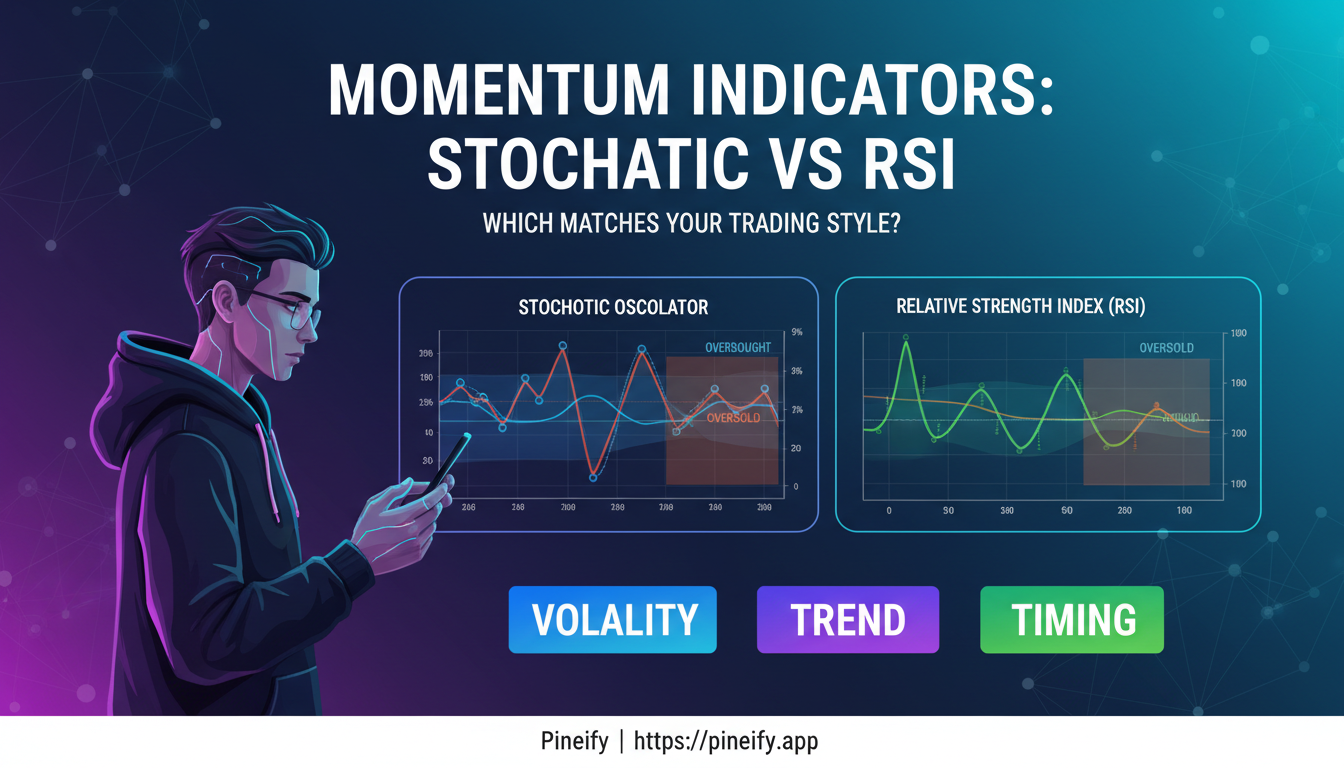
The Relative Strength Index (RSI) is a momentum indicator that measures how fast and how much prices have changed by comparing average gains to average losses over a default 14-period lookback. The Stochastic Oscillator measures where the current closing price sits within a recent high-low range. I've traded both side by side for over three years, and the verdict is this: RSI handles trending markets cleanly because its smoothing cuts through noise, while the Stochastic shines in range-bound conditions where its speed catches reversals at support and resistance.
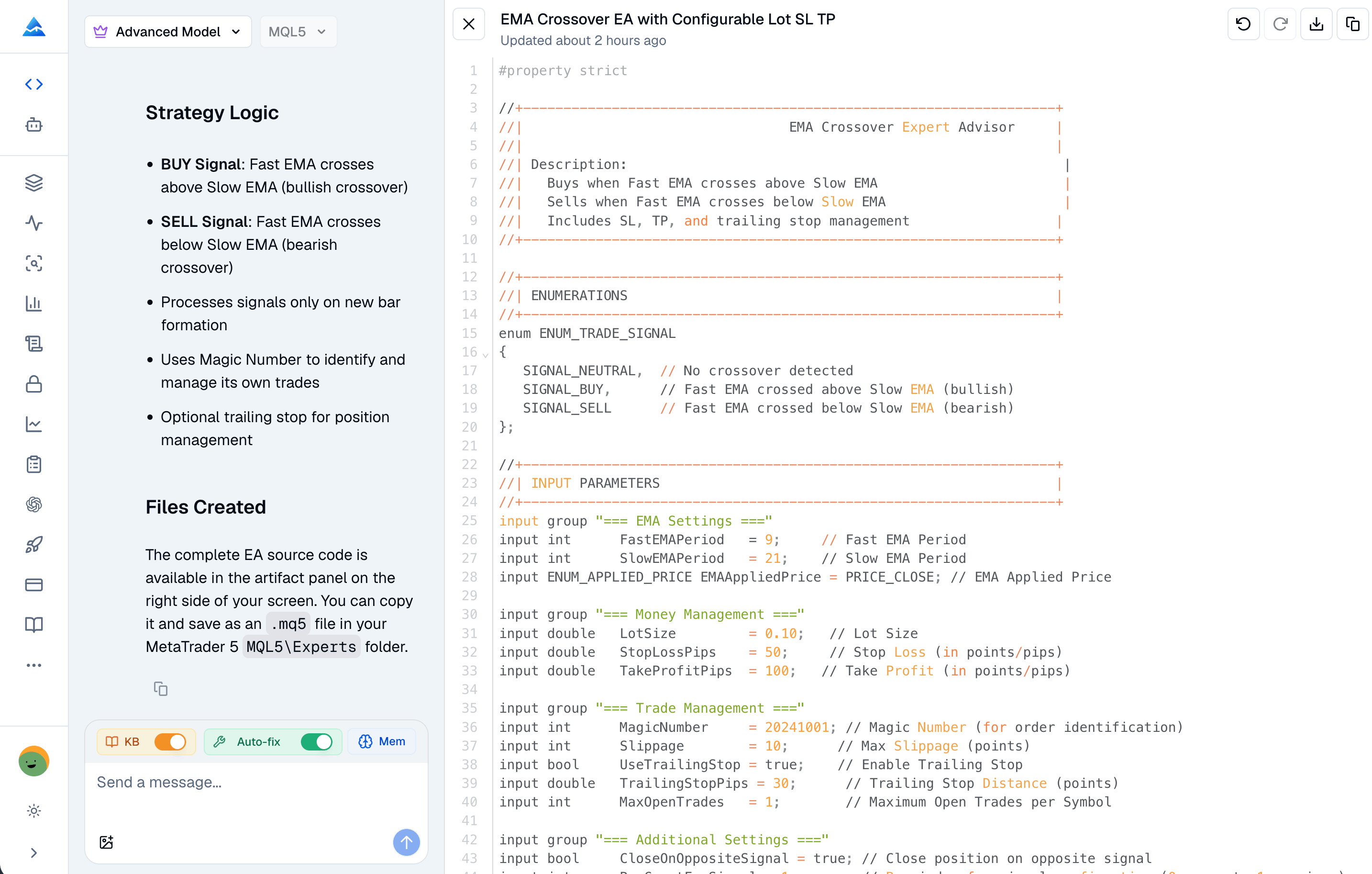
I've spent roughly 40 hours debugging MQL5 code that a generic AI wrote in 30 seconds. That math never works in your favor. The best AI for coding MQL5 is one that understands MetaTrader 5's type system, event handlers, and standard library deeply — not a general-purpose model faking its way through a niche language. By 2026, for serious MT5 development, that distinction is the difference between hours of manual fixes and code that compiles on the first try.
If you've spent any time in trading, you know the frustration of watching a signal indicator that looked great in theory fail the moment you go live. Traditional indicators like RSI or MACD use fixed formulas that don't adapt to changing market conditions. They treat every market period the same — whether it's a quiet Tuesday morning or the week of a major Fed announcement.
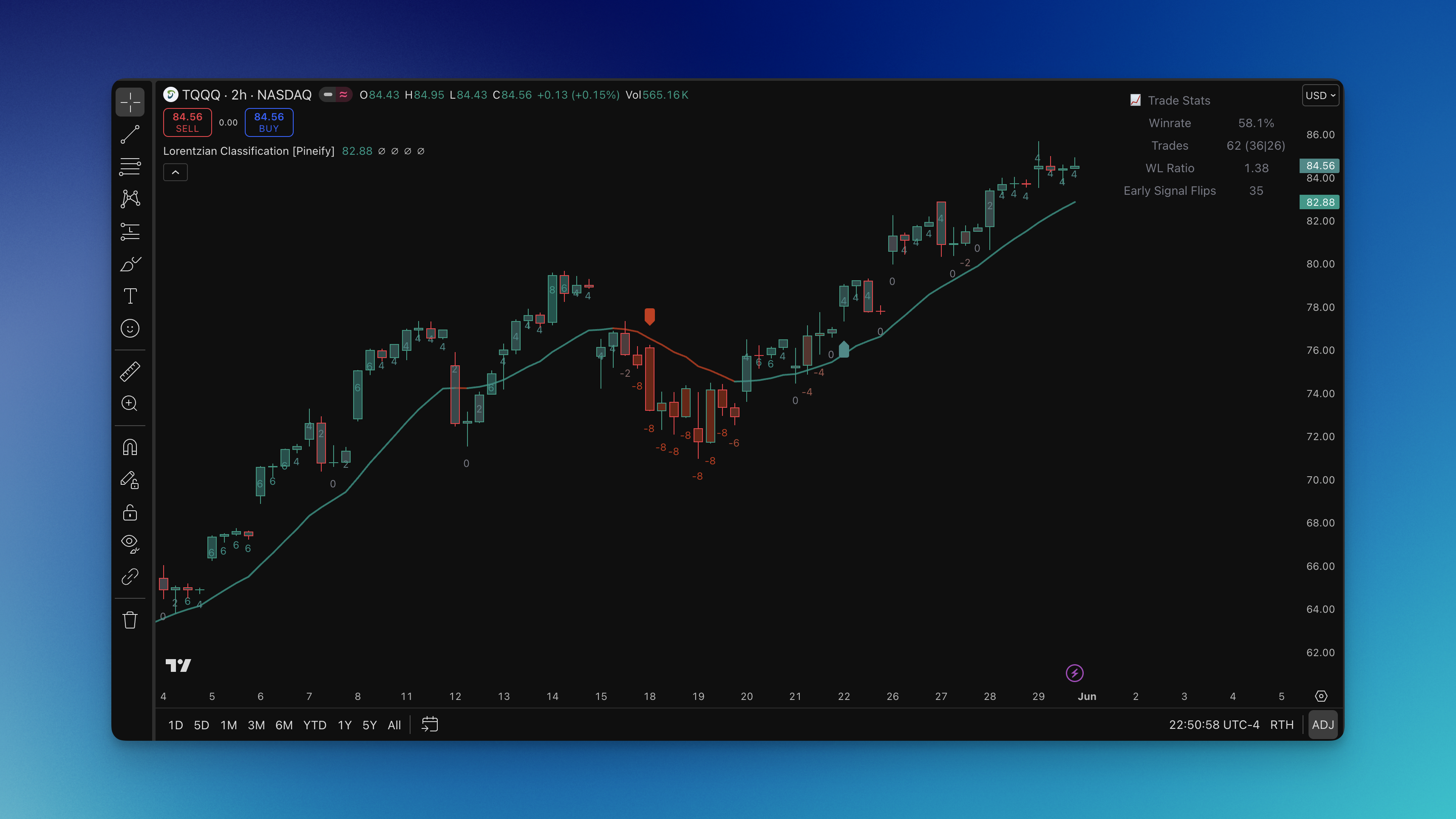
The Lorentzian Classification indicator is a different approach. Instead of a fixed formula, it uses K-Nearest Neighbors (KNN) with a physics-inspired distance metric to classify whether price is likely to move up or down over the next four bars. After testing it across BTC/USDT, major forex pairs, and index futures on multiple timeframes, I've found it to be one of the most adaptable signal generators available in Pine Script.