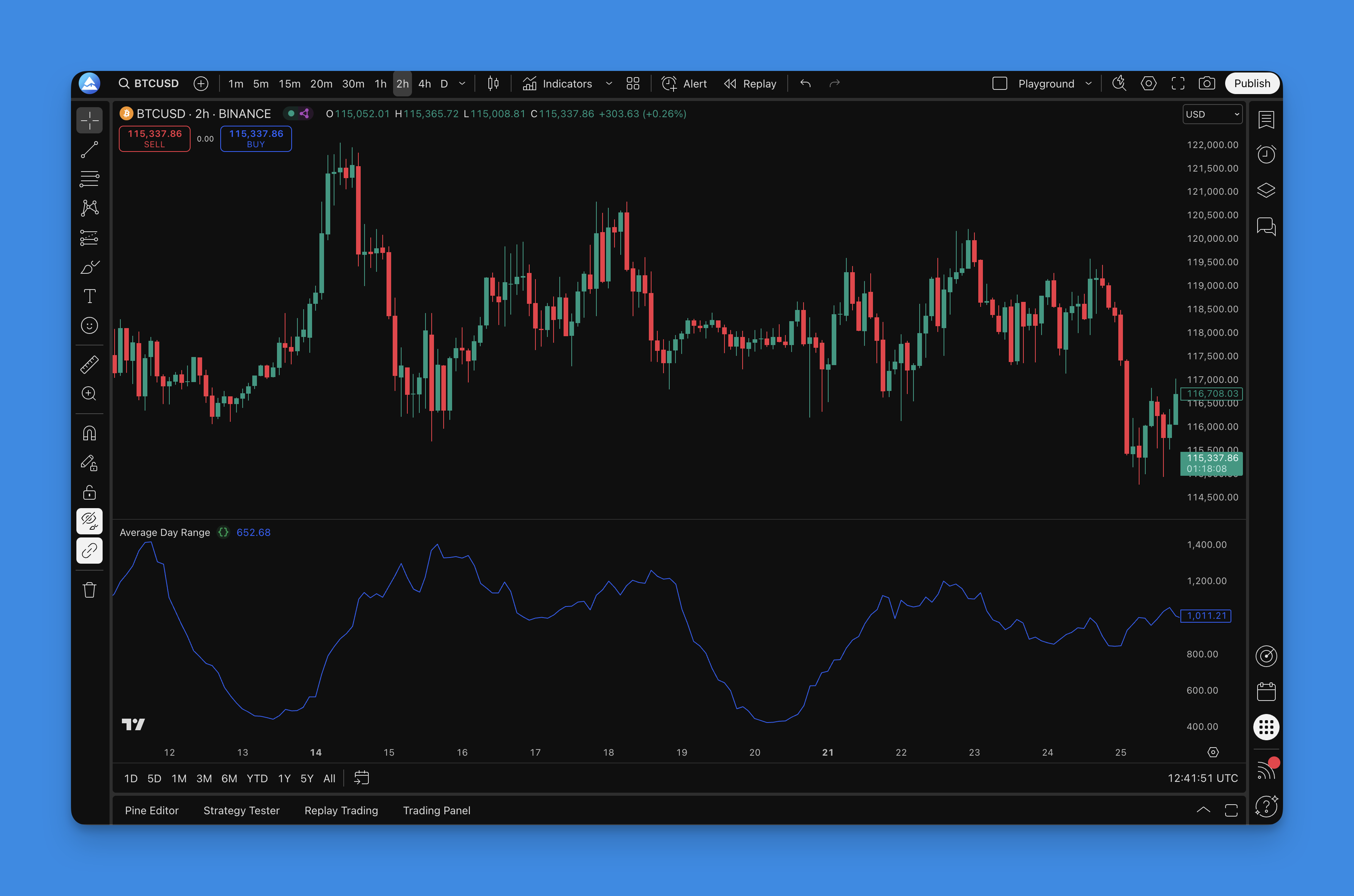
What is the average day range indicator on TradingView? Average Day Range (ADR) averages high-minus-low spans for historical context. It does not forecast the next session's direction or maximum move. Units depend on the chart: averaging five-minute bar ranges is not the same as averaging daily ranges.
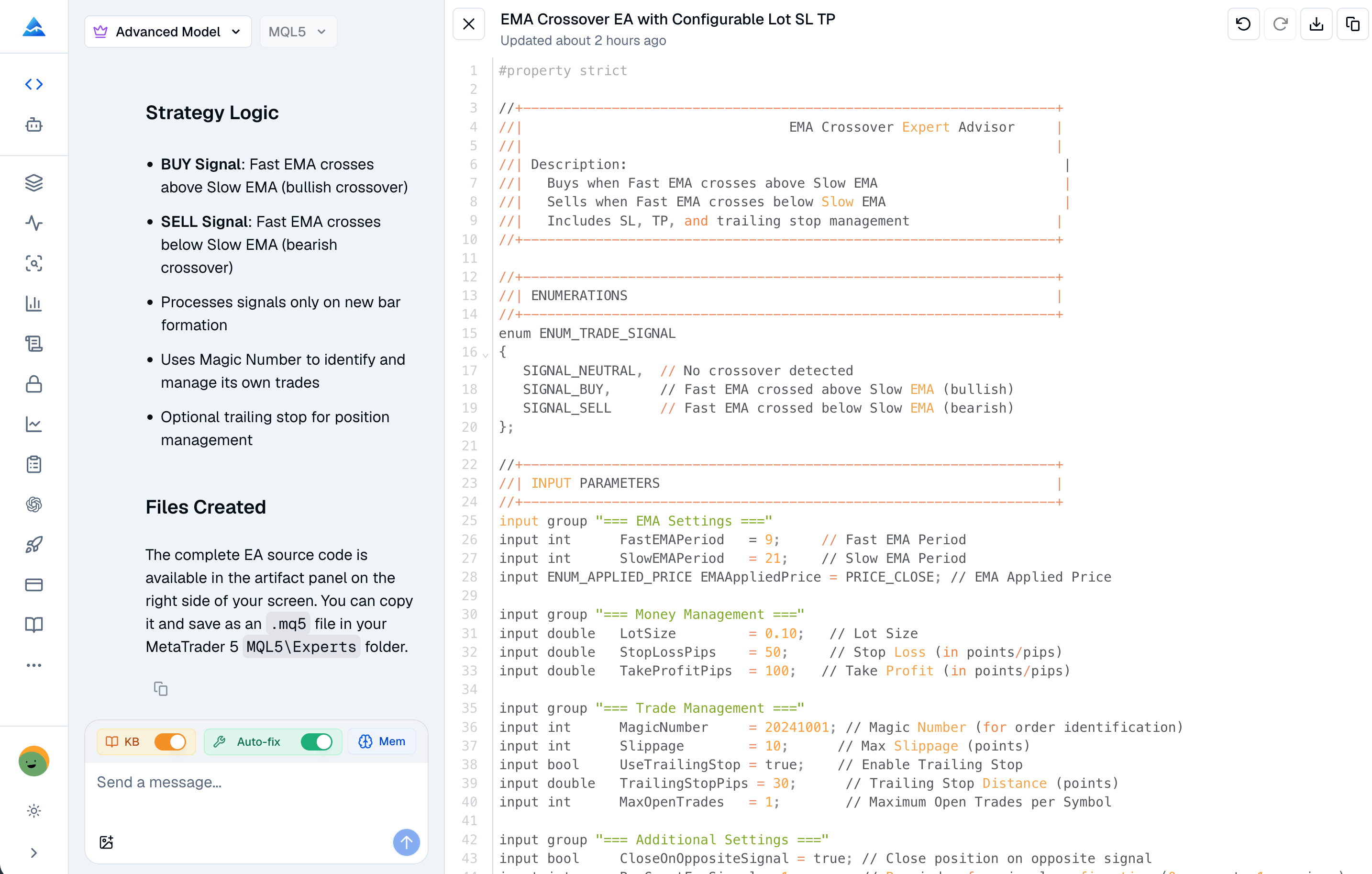
Converting MQL4 to MQL5 means preserving a program's intended behavior on MetaTrader 5, not merely renaming functions until it compiles. The main migration risks are data timing, indicator access and the relationship between orders, deals and positions.
Start with a concrete reason to migrate, such as a broker or platform requirement. This guide does not establish a universal MT4 shutdown deadline or a fixed speed advantage for converted programs.
The Awesome Oscillator (AO) subtracts a 34-bar simple average of midpoint prices from a 5-bar average. It describes the difference between two historical price averages. Its sign and its bar color answer different questions, and neither guarantees a future price move.
An indicator displays calculations or signals. To measure trading performance, you must add explicit entry, exit, sizing and execution rules. TradingView supports manual historical inspection through Bar Replay and automated simulation through Pine strategies in Strategy Tester. Those workflows answer different questions.
Backtesting.py is an open-source Python framework for simulating trading rules on historical data. It is useful for inspecting a single instrument's signals and trades. The examples below demonstrate its API; they do not establish that a moving-average crossover is profitable or suitable for live trading.
Backtesting.py and Backtrader run Python simulations; Pineify helps generate Pine Script for TradingView. The useful choice depends on the data, portfolio model and development workflow you need. No controlled performance benchmark or first-hand AAPL comparison is established here.
A backtesting framework should be evaluated against the strategy's execution requirements. Backtesting.py offers a Python simulation API; Backtrader provides an event-driven engine with multiple feeds and broker models; Pineify generates Pine Script and supports TradingView research workflows. Pineify is not a Pine-to-Python portfolio execution bridge.
How do you backtest trading strategies before going live? Apply explicit entry, exit, sizing, and cost rules to historical data under a documented execution model. Backtests can expose weak assumptions and show sample behavior, but they cannot certify a future edge or cap live drawdowns at past levels.
A momentum squeeze indicator combines a volatility-compression condition with a directional oscillator. Compression describes the recent price distribution; it does not establish when a breakout will occur, how far it will travel or which direction will succeed. The exact script matters because TTM Squeeze, LazyBear's derivative and Pineify's BB Squeeze use different calculations.
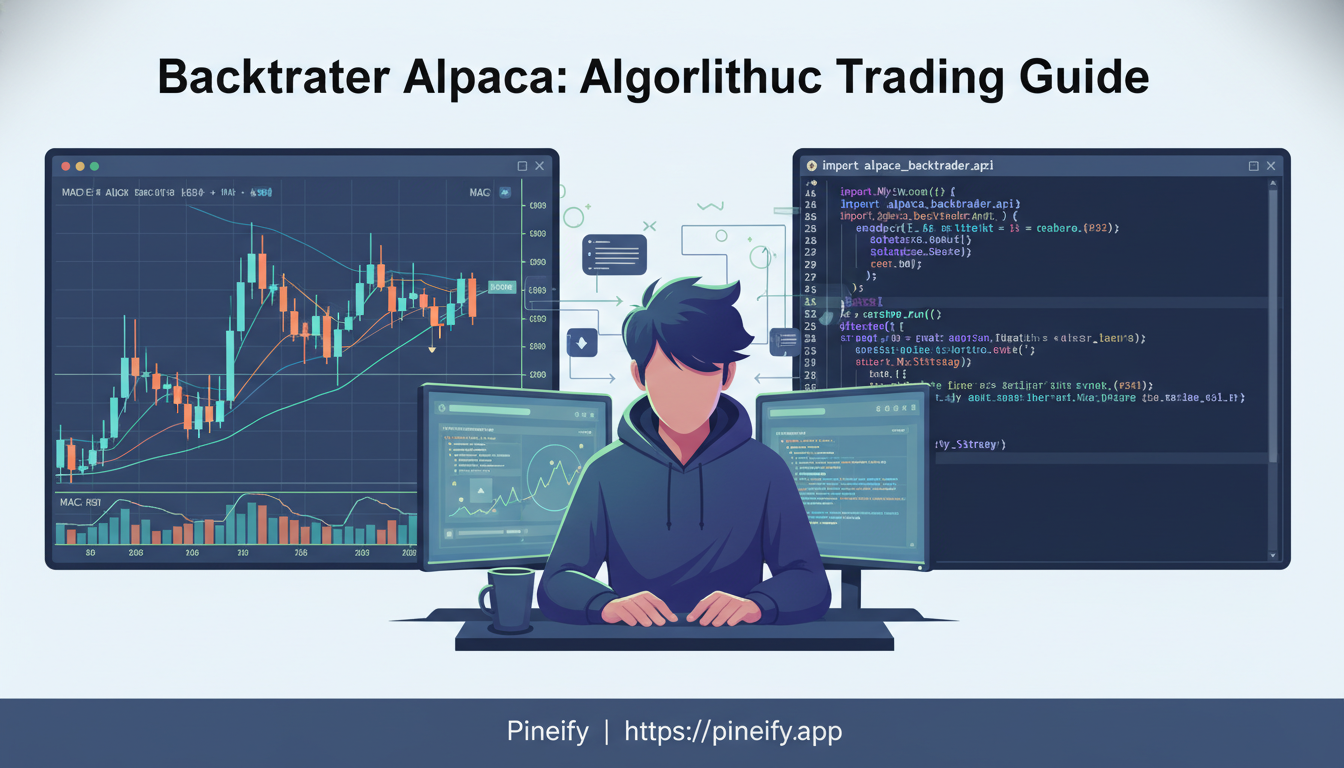
How does Backtrader Alpaca integration work? Backtrader connects through the separate alpaca-backtrader-api adapter. Historical simulation, Alpaca paper execution, and live brokerage execution are distinct modes. Setting paper=True alone does not attach the paper broker, validate credentials, or confirm compatible data feeds.