996 posts tagged with "TradingView"

Blog posts related to the TradingView

View All Tags

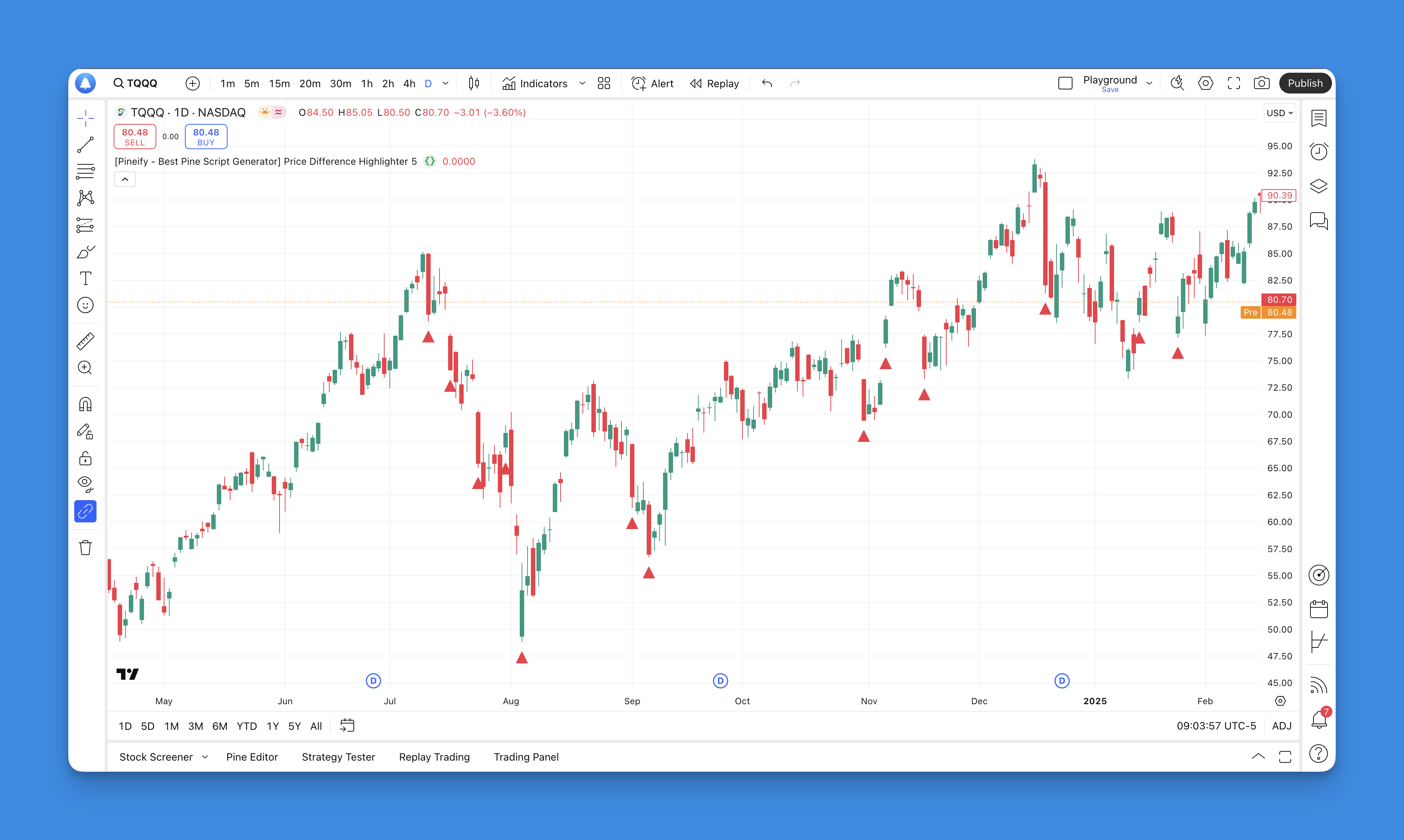
Modified Bollinger Bands Indicator: How to Spot Better Trading Opportunities with Enhanced Price Channels

· 10 min read

Look, if you've been trading with regular Bollinger Bands and getting frustrated with all those false breakouts, you're not alone. The Modified Bollinger Bands indicator takes everything good about the classic version and fixes the annoying parts that cost you money.

Here's what makes it different: instead of using the standard Pine Script calculation that can get noisy, this version uses a refined standard deviation method that actually filters out the junk signals. Plus, you're not stuck with just Simple Moving Averages—you can choose from SMA, EMA, RMA, HMA, WMA, and VWMA for the center line.

Modified Bollinger Bands Indicator on Chart

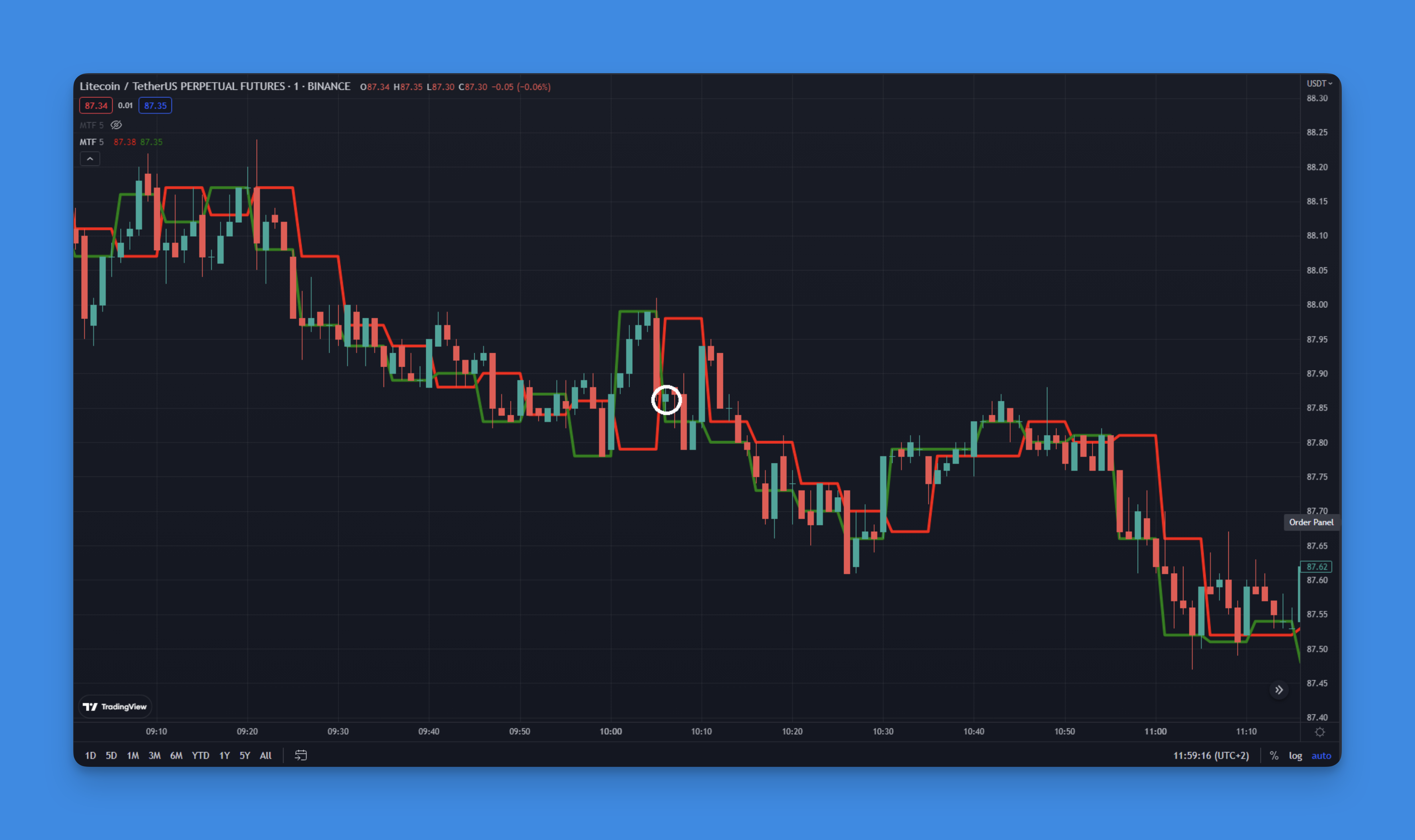
Why Is My TradingView Delayed? Full Guide to Real-Time Market Data

· 12 min read

If you're actively trading, you've probably found yourself glued to TradingView's charts. It's an incredible tool for spotting opportunities. But nothing kills that flow faster than realizing the numbers on your screen are from several minutes ago. It's like trying to race with the handbrake on.

So if you've ever shouted at your screen, "Why is my TradingView delayed?!"—you're not alone. Let's break down exactly what's happening, why it occurs, and most importantly, how you can get back to real-time data.


Why Is My TradingView Delayed? Full Guide to Real-Time Market Data

TradingView's AI Revolution: The Messy, Beautiful Truth About Smart Indicators in 2025

· 7 min read

You know what's wild? Three years ago, if you told me I'd be trusting a machine learning model to tell me when to buy Bitcoin at 3 AM while eating cold pizza—I'd have laughed. Spit-take laughed. But here we are.

These AI scripts on TradingView? They're not just some nerdy side project anymore. They've gone full mainstream—like, your uncle Bob who still thinks "the cloud" is actual weather is probably using them. From oscillators that literally teach themselves (I swear one winked at me once) to these LLM helpers that'll debug your Pine Script while you sleep—it's gotten... weird. Good weird. But weird.

How to Edit TradingView Chart: The Complete, Step-by-Step Guide

· 27 min read

If you're just getting started with TradingView, or if your current chart setup has gotten a little out of hand, you're in the right place. I'll walk you through exactly how to edit a TradingView chart, from the basics like colors and chart types to the more advanced stuff like indicators, drawings, and multi-chart layouts. The goal is to help you create a fast, clean setup that you can rely on when the markets are moving.

A quick note: Everything we cover here uses TradingView’s Supercharts interface. I'll also point you to their official help docs in case you want to dive deeper on any specific feature.

How to Edit TradingView Chart: The Complete, Step-by-Step Guide

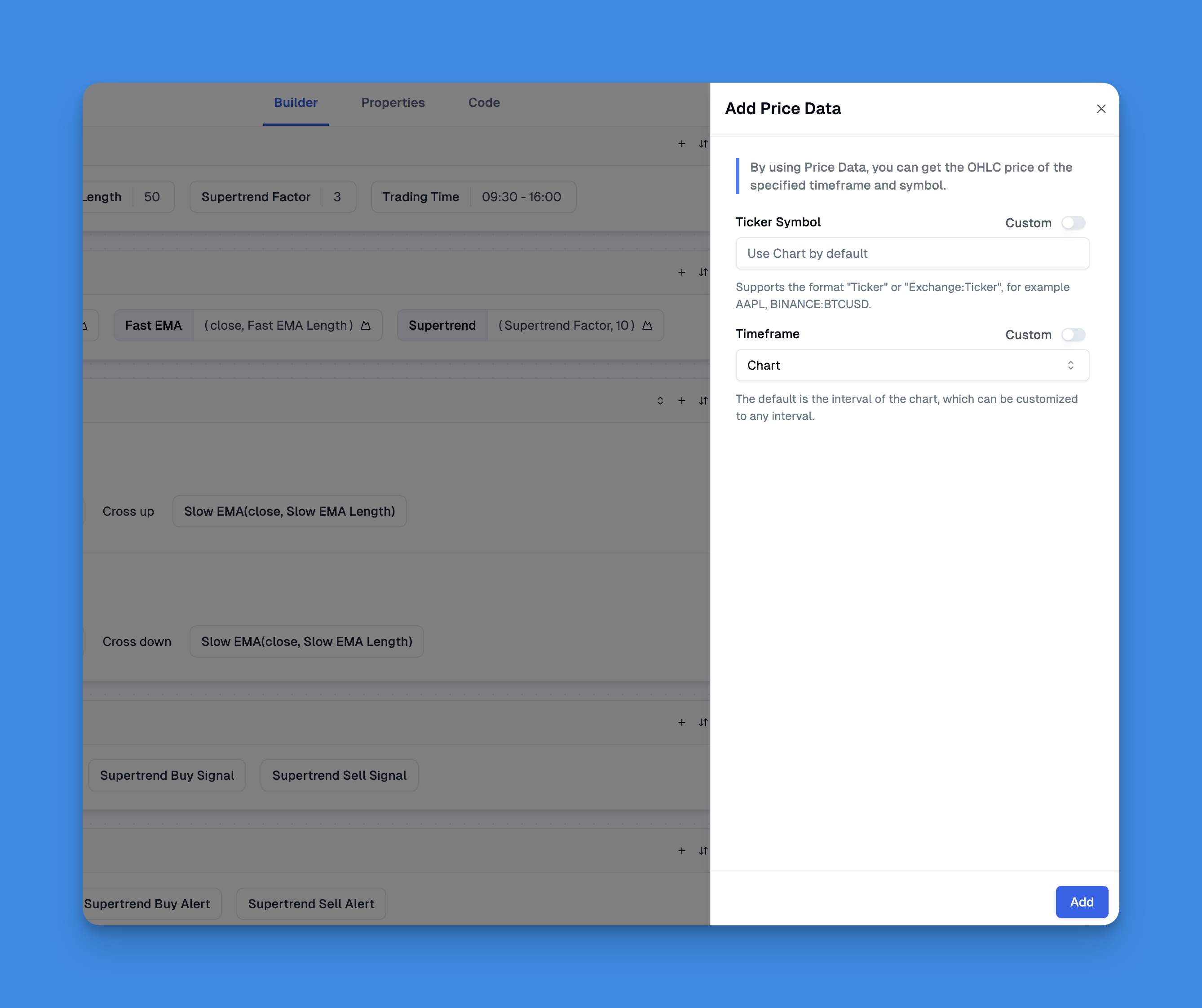
TradingView Script Examples: Essential Guide for Traders

· 12 min read

TradingView scripts, written in a language called Pine Script, let you build your own custom tools right on your charts. Think of them as little programs that can spot trends, set up alerts, or even test out trading ideas for you.

This guide is packed with practical TradingView script examples. Whether you're just starting out or have some experience, you'll find useful code snippets to help you get more from your chart analysis.

TradingView Script Examples: Essential Guide for Traders

Ehlers Stochastic CG Oscillator: How to Catch Momentum Shifts Before Everyone Else (Complete 2025 Guide)

· 12 min read

You know that frustrating feeling when you see a perfect momentum shift happening right after you missed the entry? I've been there too many times. That's exactly why the Ehlers Stochastic CG Oscillator caught my attention - it's designed to spot those momentum changes before they become obvious to everyone else.

What makes this indicator different is its center of gravity calculation. Instead of just looking at price highs and lows like regular stochastic indicators, it actually weighs where prices are spending most of their time. Think of it like finding the balance point of a seesaw - except this seesaw tells you when momentum is about to tip in a new direction.

John Ehlers (yeah, the rocket scientist turned trader) created this by combining mathematical physics with market analysis. The result? A smoother, more reliable momentum tool that cuts through market noise while still being sensitive enough to catch real moves early.

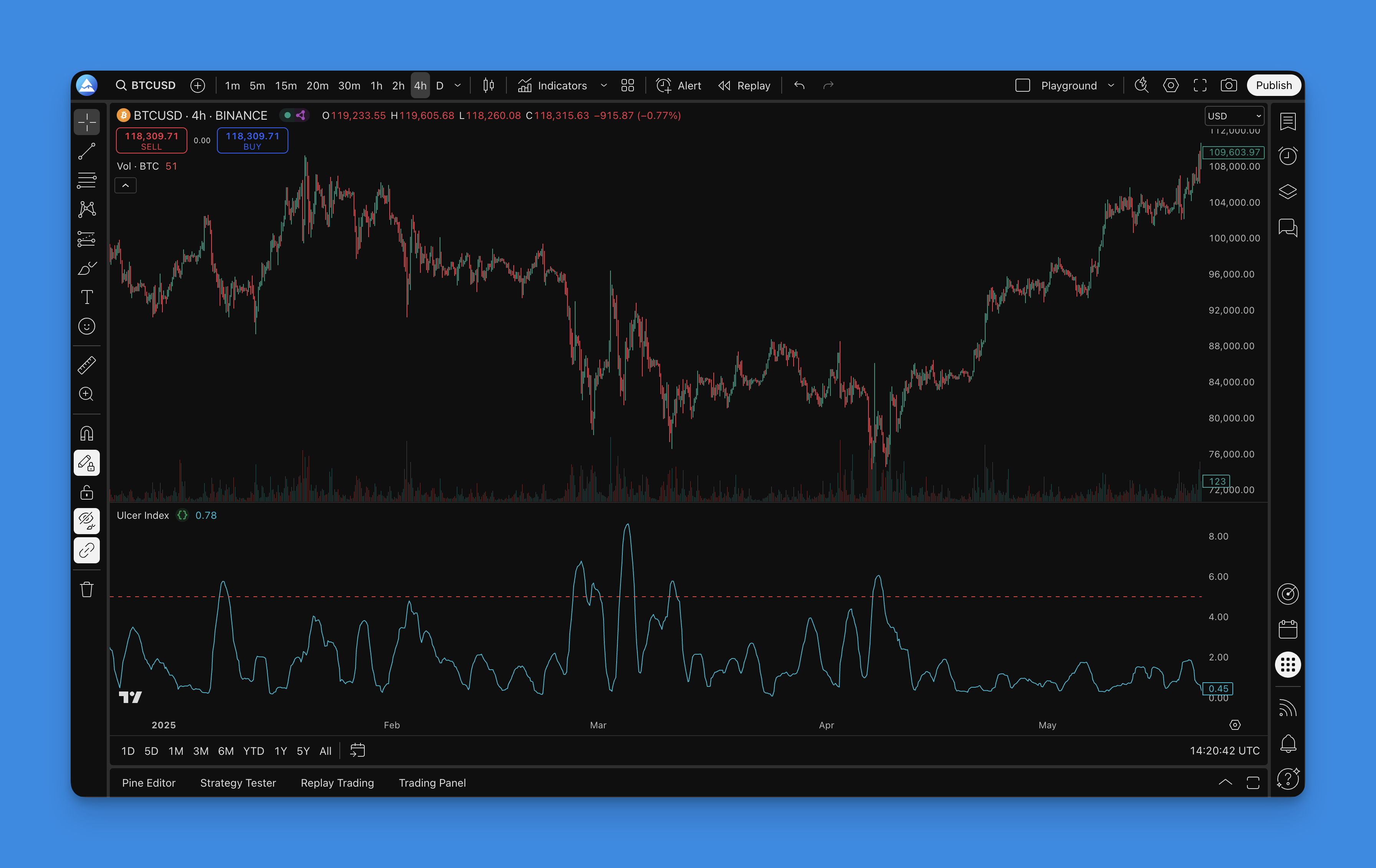
Ehlers Stochastic CG Oscillator on Chart

McClellan Oscillator Indicator: How to Read Market Breadth Like a Pro Trader (2025 Guide)

· 9 min read

Ever wonder why some traders seem to know when the market's about to turn before everyone else? They're probably watching market breadth, and the McClellan Oscillator is one of the best tools for this. Think of it as your early warning system for market shifts - it tells you when the whole market is getting stronger or weaker, not just individual stocks.

McClellan Oscillator Indicator