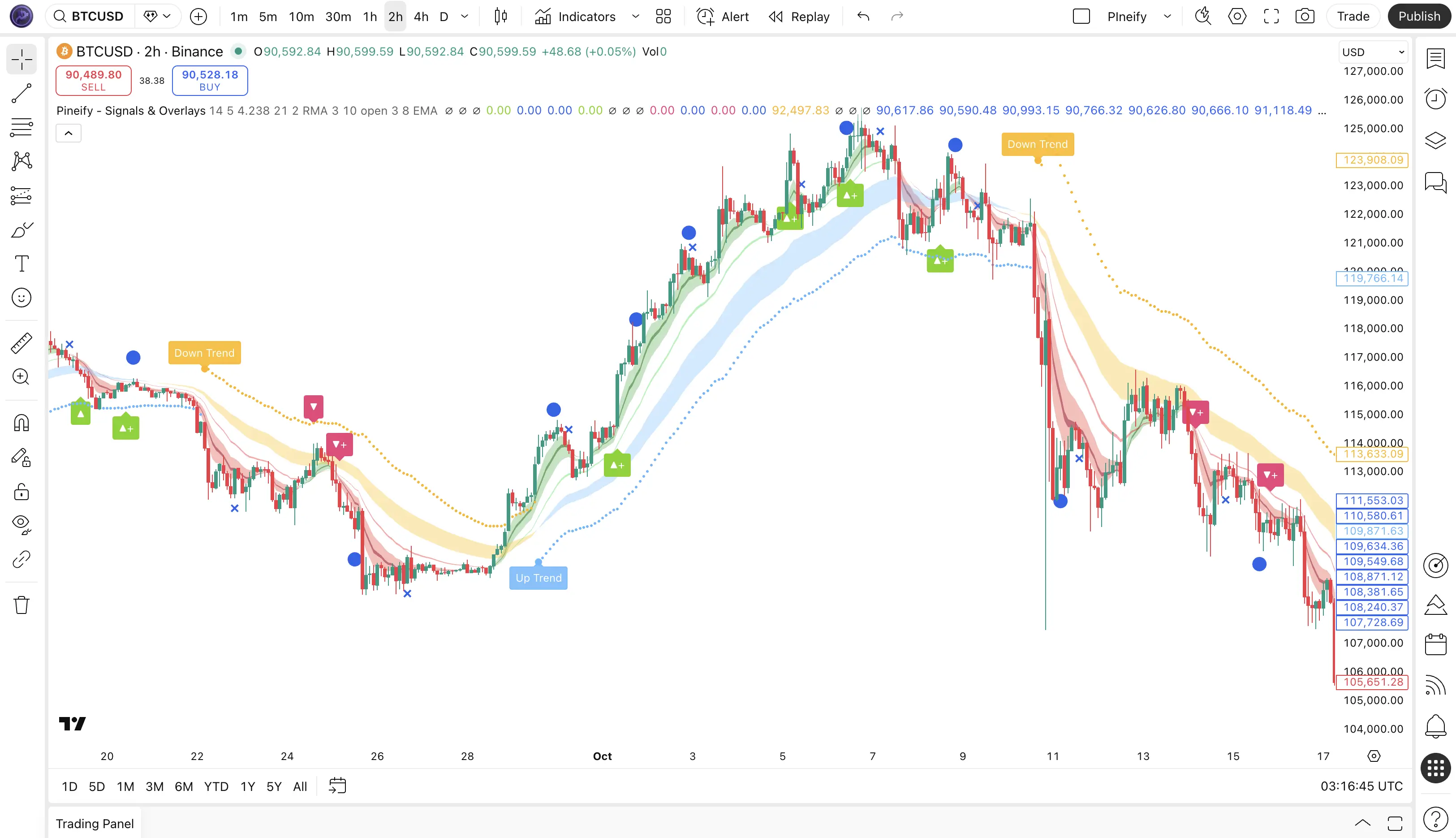
How to Add Stop Loss to Your Pine Script Strategy (And Why You Really Need It)

Blog posts related to the PineScript
View All Tags
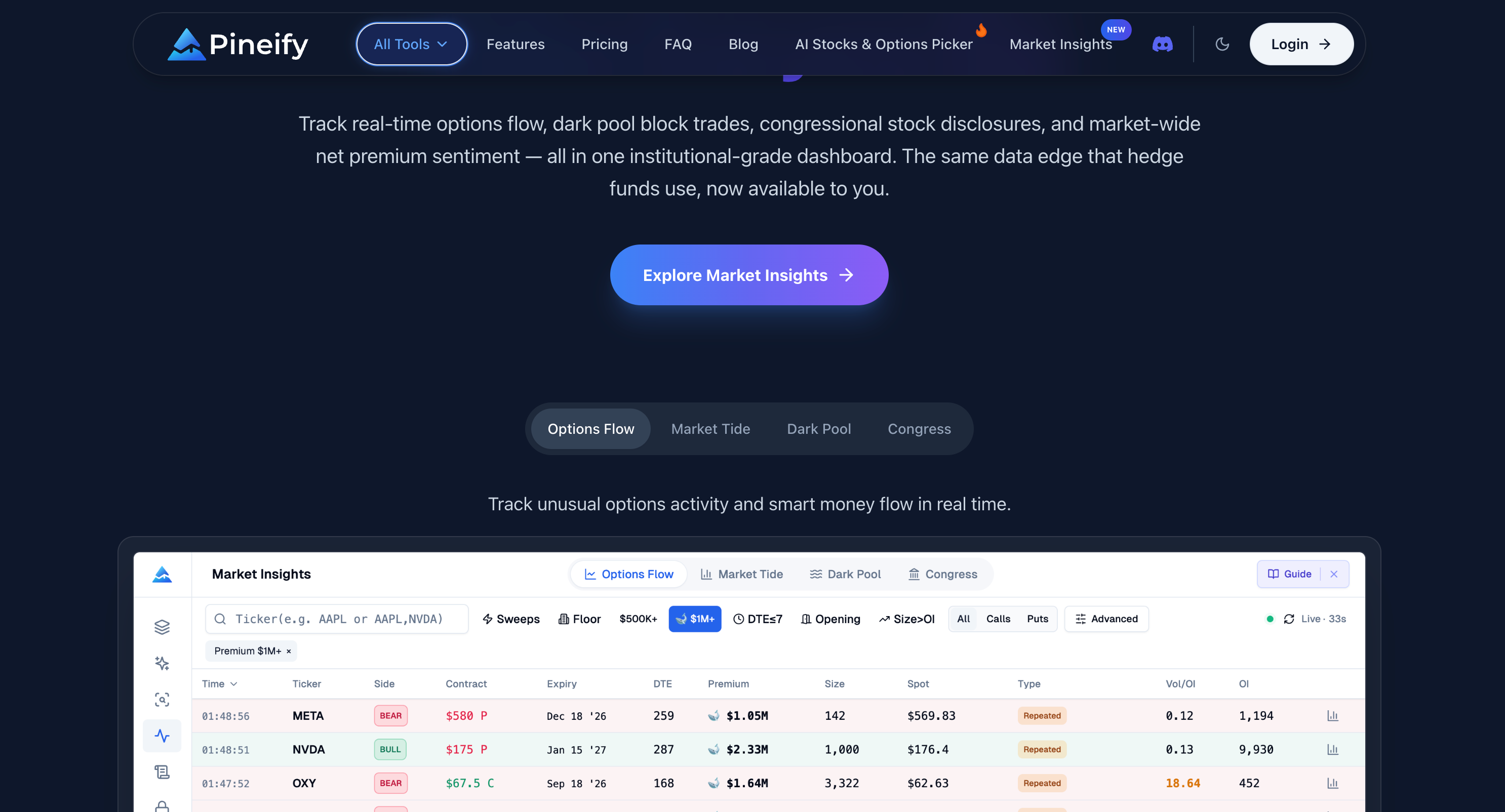
NVIDIA isn't just a tech giant; it's also a favorite playground for big-money traders. On any given day, over 258,000 options contracts change hands on NVDA. That torrent of activity isn't just noise—it's a direct look at how hedge funds, institutions, and seasoned investors are betting on this defining AI company.
If you're trading around NVDA, whether you're in and out in a day or planning a longer swing, learning to read this options flow can give you a serious advantage. Think of it as getting a peek at the market's playbook. Let's walk through what NVDA options flow is and how you can start making sense of it.

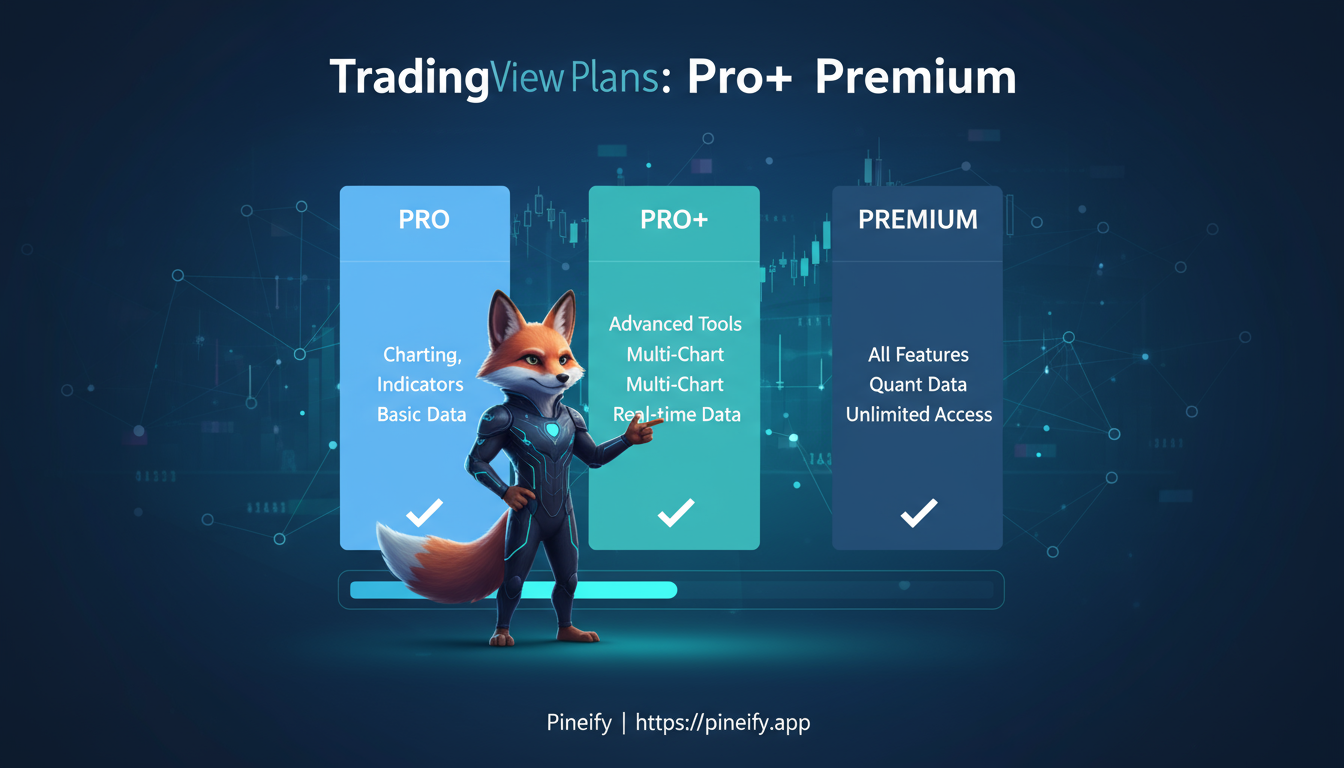
Looking for a smarter edge in stock analysis? You're not alone. Many investors are exploring AI-powered tools to help spot opportunities and manage their portfolios. While Danelfin has gained attention, it's just one of many options out there. The key is finding the tool that clicks with your approach—whether you're a deep-value digger, a technical trader, or somewhere in between—without blowing your budget or overwhelming you with data you don't need. For traders who rely on charting platforms, understanding your plan's features is crucial; a detailed comparison like our guide on TradingView Free vs Paid can help you allocate your budget wisely between analysis tools and charting software.
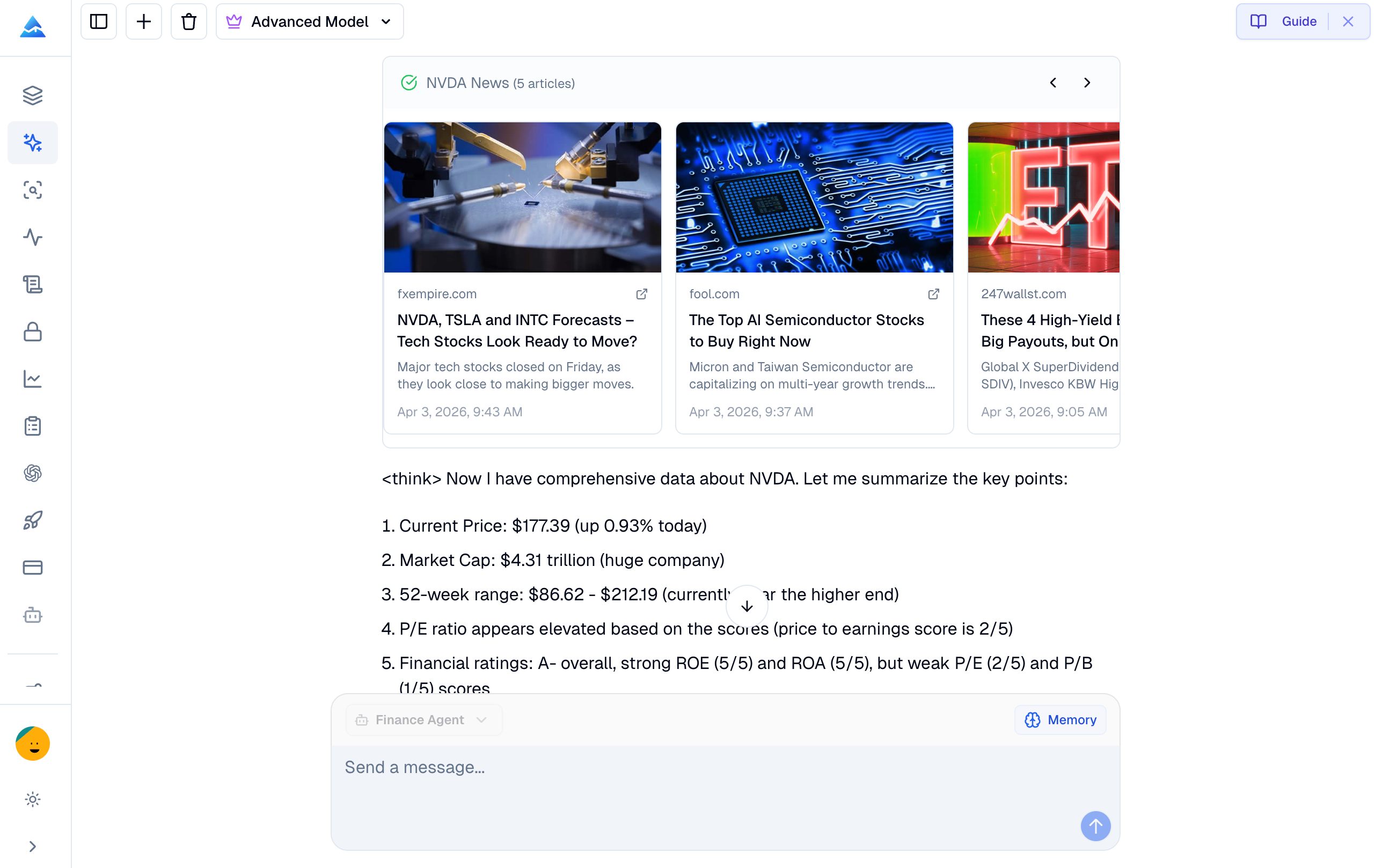
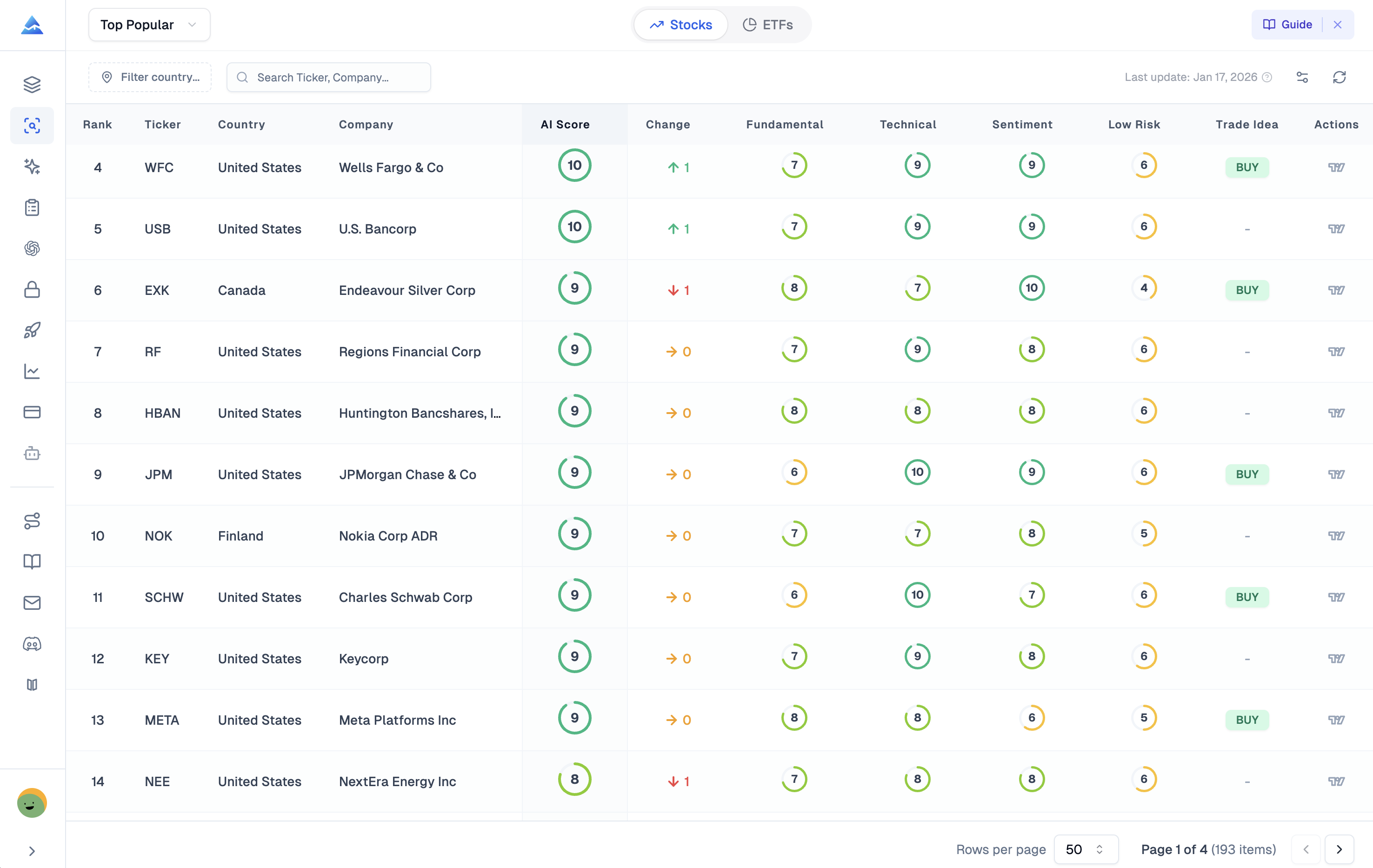
If you're looking into AI tools for stock analysis, you've probably heard of Danelfin. It's popular for its straightforward AI scoring system and has a strong following among investors who use data-driven strategies. But as AI finance tools evolve, a new option is pushing the boundaries further: the Pineify AI Finance Agent. Let’s look at what each platform does, where Danelfin might not meet everyone’s needs, and why many traders are now turning to Pineify for a more complete toolkit.
Hitting that "data point unavailable" message on TradingView can really stop you in your tracks. The good news? It's almost always a quick fix once you tweak a few things with your chart, data, or script settings for that specific symbol and timeframe.
For traders interested in creating custom indicators and automated strategies, but who don't want to spend months learning to code, two main options usually come up: Pineify's Visual Pine Script Editor and TradeStation's EasyLanguage. Both aim to make algorithmic trading more accessible, but they work in completely different ways, are built for different platforms, and really cater to different styles of trading. Let's break down the details so you can figure out which one fits your process best.

AI is transforming how everyday investors research the market. Two tools leading this change—Pineify AI Finance Agent and Perplexity Finance—take different paths to deliver financial insights. If you're trying to make smarter investment moves, which one actually helps more? Let's look at how they stack up on data, ease of use, research power, and cost.

Ever stared at TradingView charts thinking "I wish I could combine these three indicators into one custom strategy" but then remembered you can't code? Trust me, I've been exactly where you are right now.
After months of manually checking multiple indicators and missing profitable trades, I decided to test two popular no-code strategy builders: DIY Custom Strategy Builder and Pineify. I spent weeks putting both platforms through their paces, testing everything from basic indicator combinations to complex multi-timeframe strategies.
Here's what I discovered after building 20+ strategies on each platform.

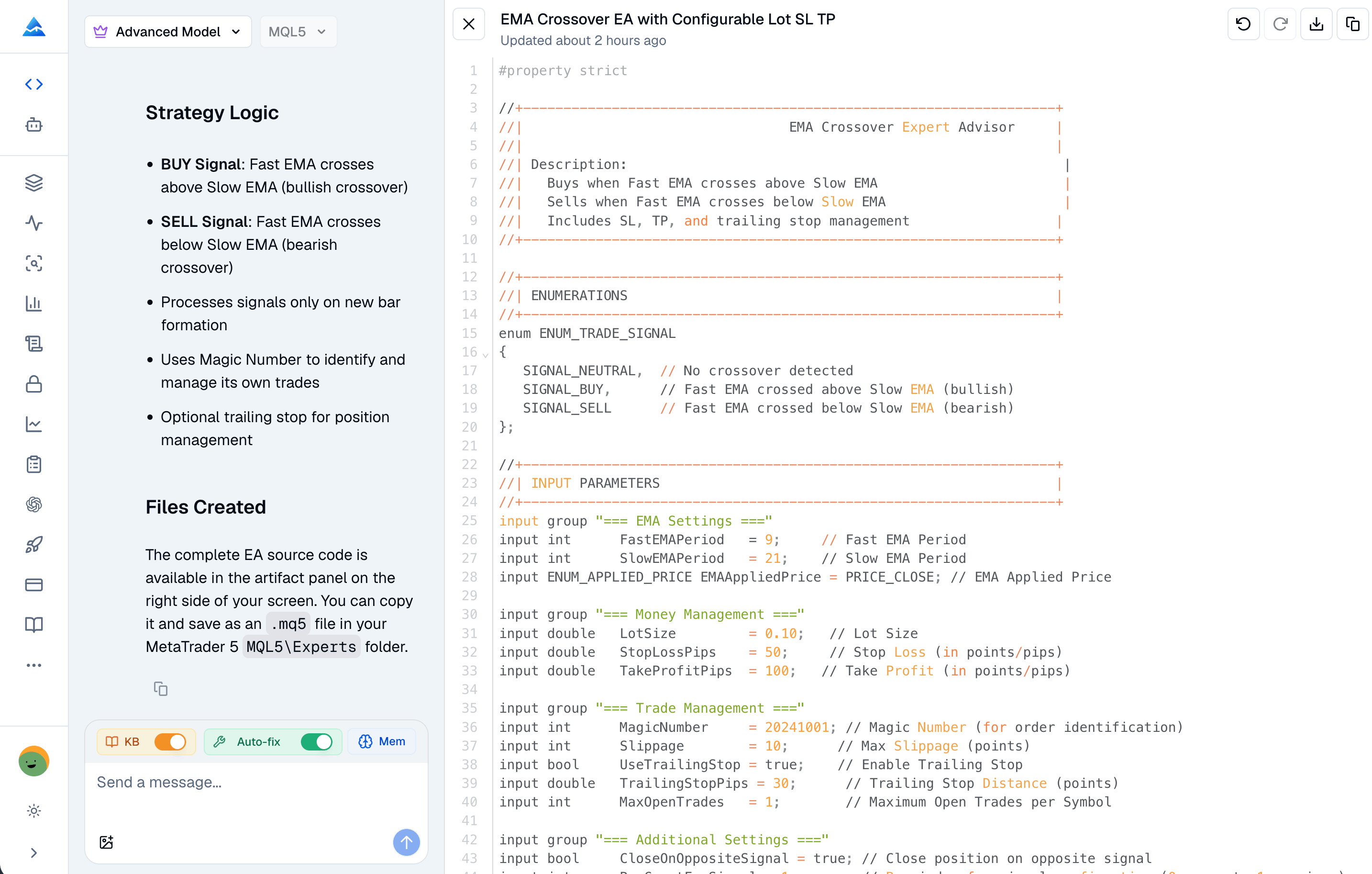
Every profitable trader eventually realizes that the difference between long-term success and blowing up an account often comes down to one thing: how you manage risk. A properly configured MT5 risk manager is your best ally for staying in the game, protecting your capital, and trading with discipline — whether you scalp, swing, or trade for a prop firm. In this guide, we’ll walk through everything you need to know about MT5 risk managers: the core ideas, how to set one up, what features to look for, and even how to build your own with a little help from AI.

TradingView offers a few different ways to connect its powerful charting tools to your own projects. Think of it like a toolbox with some very specific, high-quality tools. You've got the Charting Library for building a full charting experience, some handy embeddable widgets for simpler needs, and a broker API. However, they don't offer a one-size-fits-all market data API for the public.
This guide will walk you through each option—what they're best for, their limits, how much they cost, and answers to common questions—to help you pick the right tool for the job.