A Pine Script to MQL5 conversion needs to preserve when information becomes available, when a decision is made and how an order is handled. Similar-looking moving-average expressions do not establish equivalent strategies.
The example below keeps the original Pine strategy as a baseline and provides an MQL5 signal-audit EA that places no orders. Its purpose is to compare completed-bar crossover decisions before implementing broker execution.
Searching for Xmaster Formula for MT5 can surface similarly named products for a different platform. The MQL5 Market listings verified for this review are labeled MetaTrader 4. This page does not establish an official MT5 download, a universal formula, or a no-repaint guarantee.
Converting Pine Script to Python requires reproducing the original calculation and its timing. Translating function names is only one part: the two implementations must also use the same bars, missing-value rules, indicator initialization and order assumptions.
Python can support a separate research or execution system. Broker access still depends on an available API, account permissions and the broker's supported order types. Data licenses, infrastructure and operating costs also remain relevant.
QuantNomad and Pineify can address different needs in a Pine Script project. QuantNomad offers education and development services. Pineify provides visual configuration and AI-assisted coding workflows. Decide whether you need to learn the language, commission an implementation, or produce and review a draft yourself.
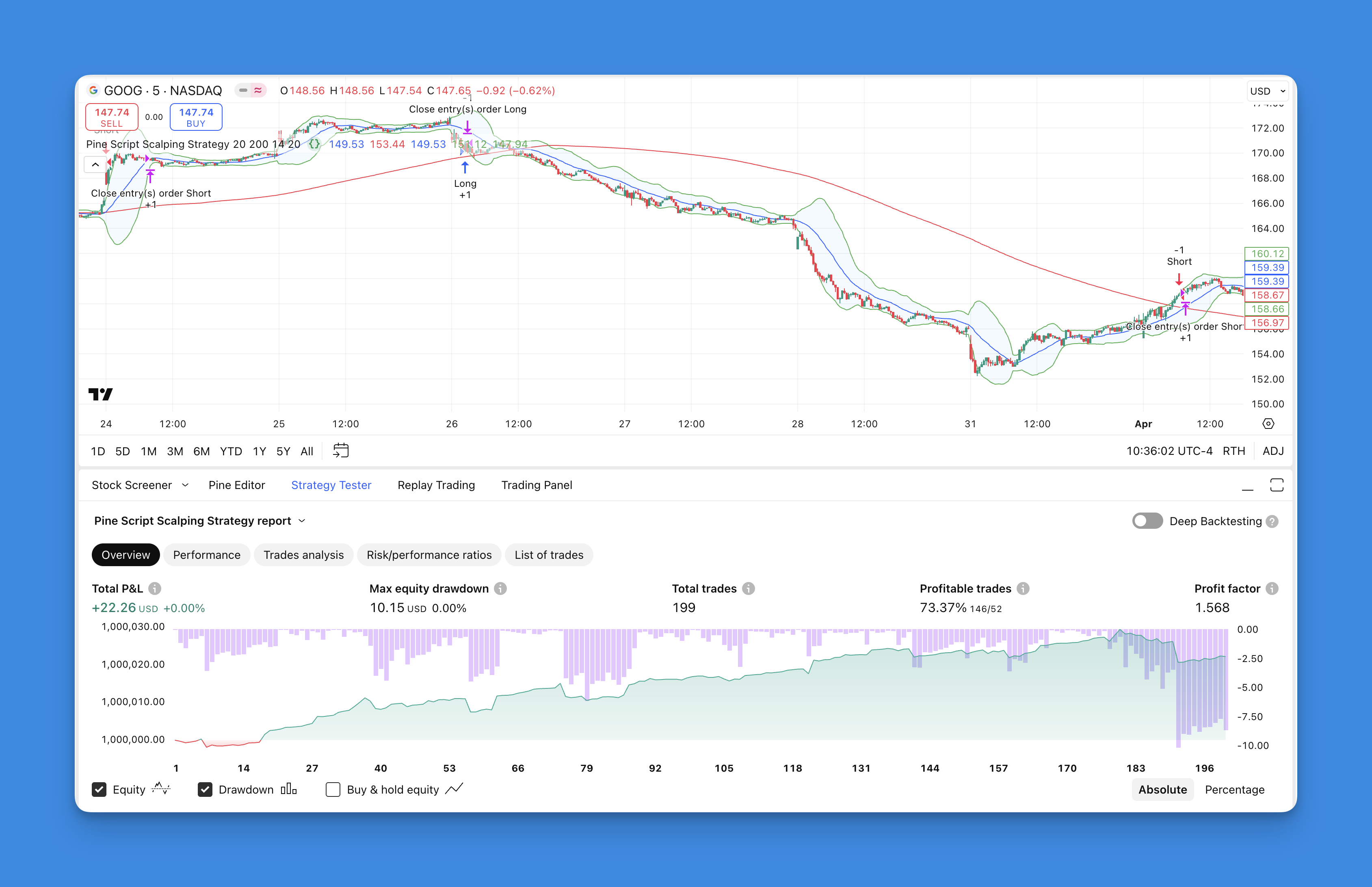
A Pine Script scalping strategy can simulate short-term entries and exits, but its value depends on the rules and execution assumptions. The example below combines moving-average crossovers, RSI, and Bollinger Bands. It has no protective stop order, and its entry conditions may be restrictive. Those facts matter more than labeling it a scalping system or assigning it an unsupported win rate.
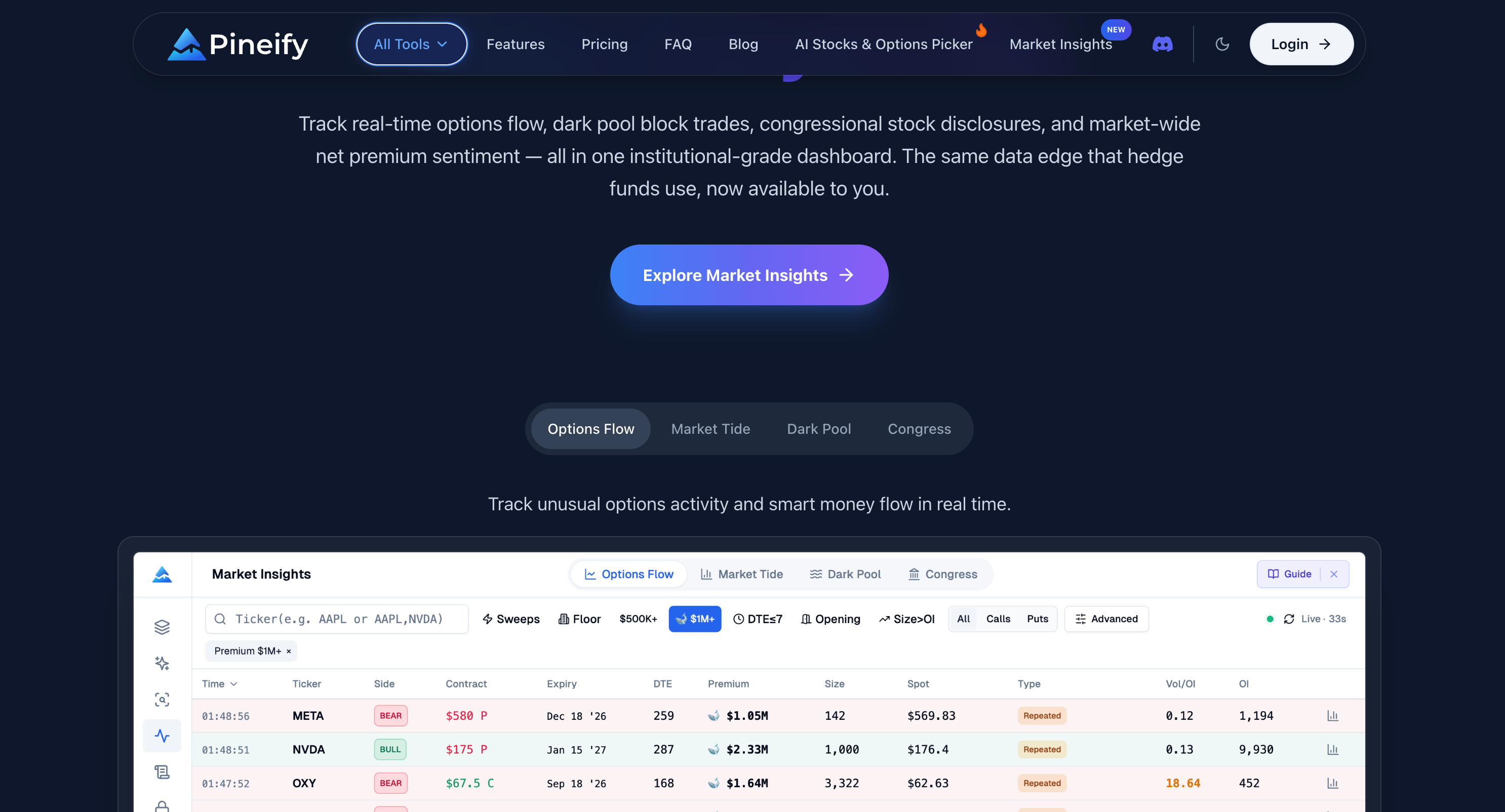
An options flow tool is useful when it helps you turn a reported event into a checkable research question. Pineify Market Insights puts options alerts, premium summaries, off-exchange records and congressional disclosures in one workspace. Those views provide context; they do not identify every trader or tell you which trade to copy.
The practical test is whether you can trace a displayed label back to its contract, timestamp and calculation. This walkthrough focuses on doing that in Pineify, including the difference between its Market Insights dashboard and its public options snapshot analyzer.
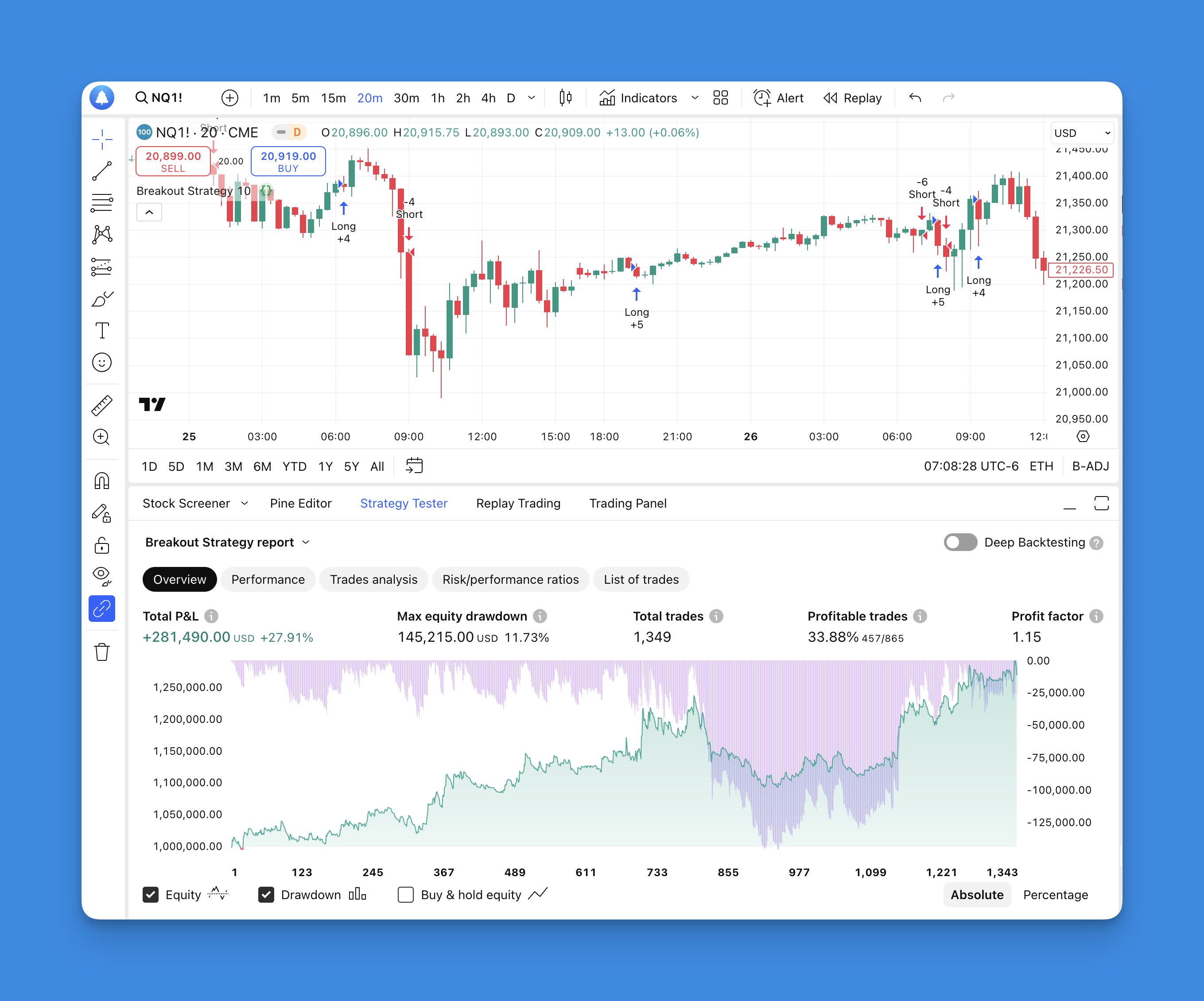
A breakout strategy needs a precise boundary, an entry event, and an exit rule. The Pine Script example below supplies the first two: it checks whether a bar's high or low exceeds the previous lookback channel. It is a small entry baseline, with no protective stop or profit target.
Trading synthetic indices on MT5 requires a provider account that offers the specific instruments. MT5 is the terminal; it does not create or supply every broker's synthetic market. Before choosing a strategy, understand the instrument's price-generation rules, contract specification, and execution costs.
strategy.entry() creates an entry order in a Pine strategy simulation. Understanding the difference between a signal, an order and a filled position is necessary before interpreting a backtest. An entry condition alone does not establish profitability or send a live broker order.
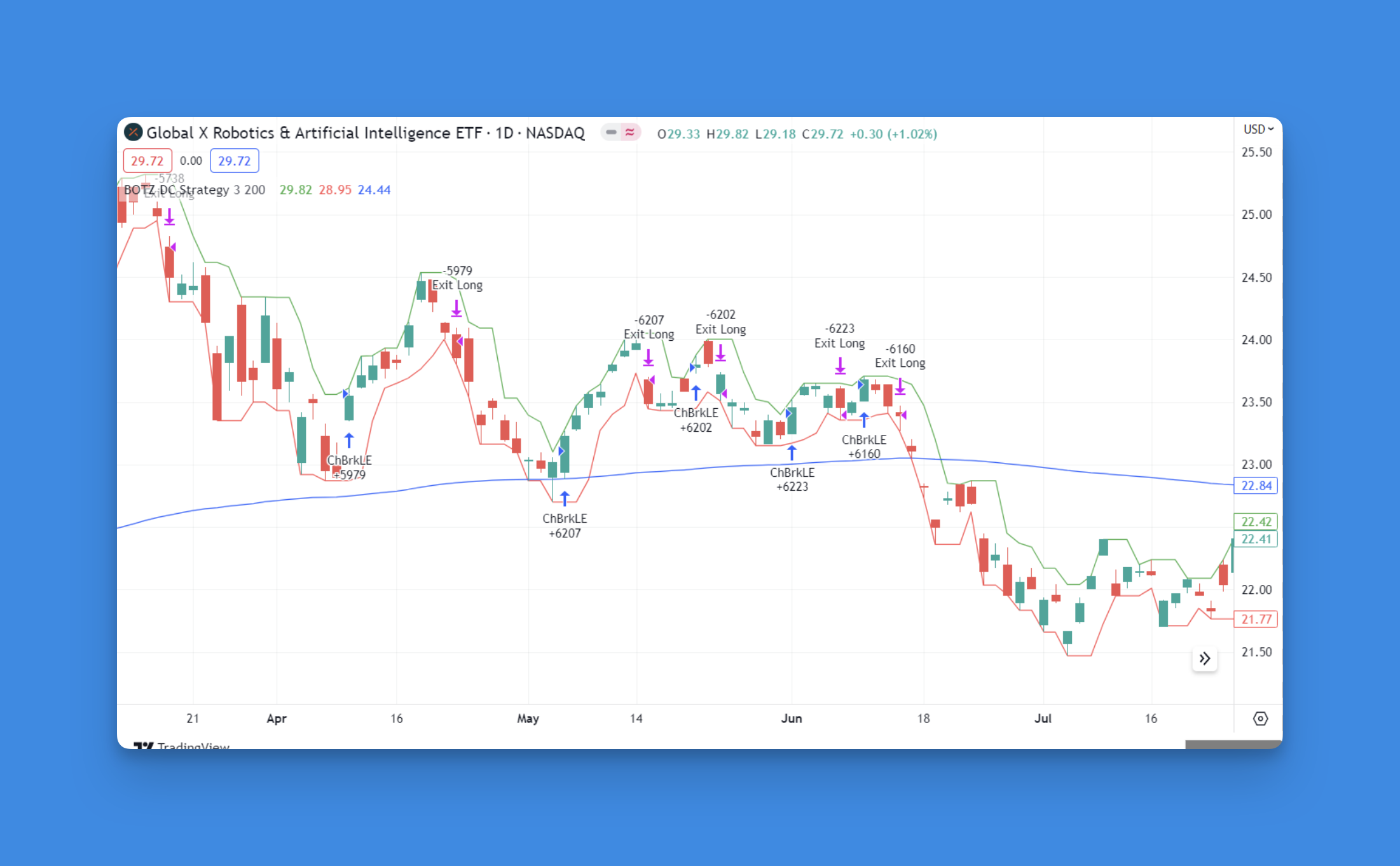
A Pine Script stop exit needs a price or distance, a matching entry and a defined time at which the order becomes available. strategy.exit() models that order in a strategy simulation. It does not guarantee the stop price as the fill price, cap every possible loss or place a protective order with a live broker.