Best Browser for TradingView: Which One Actually Performs Best
I've spent years running 15+ charts of AAPL, NVDA, and SPY simultaneously, and the browser you choose changes everything. Here's my verdict: Chrome is the most reliable pick for most traders, but the TradingView desktop app outperforms every browser for raw speed. A TradingView browser is the software interface that renders real-time price charts, executes Pine Script indicators, and streams market data through WebSocket connections.
Switching from Safari to Chrome in early 2023 cut my chart load times by roughly 40%. That difference matters when volatility spikes and every second counts. Your browser choice affects how fast candles update, whether indicators redraw smoothly, and how stable the platform stays during busy sessions.
Three things determine how well TradingView runs in your browser:
- Speed and responsiveness — crucial for real-time price updates and order execution without lag
- Stability — the last thing you need is a crash mid-session
- Resource management — some browsers handle TradingView's heavy graphics and real-time data better than others
A modern browser with WebGL support is essential for smooth, interactive charts. Getting this right is a simple step toward a better trading experience. For instance, knowing how to efficiently change time intervals on your charts can also improve your workflow.
Google Chrome: Why Most Traders Stick With It
For daily TradingView use, most traders end up using Google Chrome. It's not just popular — it's become the reliable default. If you're running a busy setup with lots of charts and indicators, Chrome handles the load without fuss.
Why Chrome Works So Well
- It runs smoothly even when you're busy: Chrome handles the heavy data and constant updates TradingView requires. I've had ten charts open with five indicators each, and things stayed responsive.
- You can add useful tools: The Chrome Web Store has the biggest collection of browser extensions, and many are built for traders. Custom alerts, portfolio trackers, chart backup tools — there's likely an extension for that.
- Hardware acceleration makes charts look sharp: Enabling this setting lets your graphics card help render charts, making animations and redraws feel smoother.
- Regular updates keep things fast: Google updates Chrome frequently with performance boosts and security fixes, which helps ensure TradingView's newest features work correctly on release.
The common complaint is that Chrome eats memory, especially with fifty tabs open. That's a real issue for general browsing. But here's a fix I use: dedicate Chrome just to trading. Keep TradingView tabs in one window, use Firefox or Safari for email and research. When Chrome focuses on one job, the memory problem fades, and you get stability where it counts.
Mozilla Firefox: The Privacy-First Option for Traders
If you want a browser that prioritizes privacy without slowing you down, Firefox deserves a look. It's open-source, works well with TradingView, and gets recommended by many trading platforms.
Why Some Traders Switch to Firefox
Firefox uses less memory than Chrome, which means more resources are free for your charts and other apps. That's a real advantage when you have multiple trading platforms running. I've had fewer out-of-memory warnings with Firefox when running 20 NVDA charts.
Out of the box, Firefox blocks online trackers by default, so your research and trading habits stay private. If TradingView charts feel sluggish, you can tweak the hardware acceleration settings directly. Firefox stays up-to-date to ensure TradingView compatibility.
One trade-off: the selection of TradingView-specific browser extensions isn't as large as Chrome's. If you rely on niche third-party trading tools, you might find fewer options. But most traders who need a fast, private browser will find Firefox excellent. For those writing custom code, keeping Pine Script clean without backslashes is easier in a stable environment like Firefox.
Microsoft Edge: The Windows-Optimized Option
If you're using TradingView on a Windows PC, give Microsoft Edge a close look. It's built on the same Chromium core as Chrome, so it runs TradingView just as smoothly, with extra benefits for Windows machines.
Because Edge comes from Microsoft, it's built into your Windows system. This close integration often means it manages memory and processing power more efficiently, which helps when you have charts, screeners, and a dozen tabs open. I've noticed Edge using about 15% less RAM than Chrome with the same 10-chart TradingView layout.
Think of it as Chrome's reliability plus Microsoft's fine-tuning for your specific device. Edge supports all the modern web features TradingView needs, including hardware acceleration. It updates automatically in the background, so you're always on a current, secure version.
Is Safari the Best Browser for Mac Traders?
If you use a Mac, Safari is the built-in browser you already have. It's designed to work with your system, and TradingView works perfectly with it.
The biggest perks are hard to ignore. Safari is famously easy on your MacBook's battery — you can chart for hours without scrambling for a charger. It also blocks trackers by default. For the everyday trader running a couple of charts with common indicators, it delivers a smooth experience.
Where Safari Might Hit a Snag
Here's where it gets tricky. Many advanced web tools and trading platform features were built and tested primarily with Chrome in mind. Occasionally this leads to quirky behavior — like having to manually allow pop-ups for your trading site.
The trade-off comes down to complexity:
- If your setup is lean — a few charts, basic indicators — Safari will feel fast and hassle-free.
- If you're running dozens of charts with complex scripts, other browsers handle the heavy lifting more consistently during volatile markets.
Safari is a power-saving option for most Mac-based traders. It's secure, integrated, and gets the job done for standard use. For demanding multi-monitor setups, compare its performance with Chrome or Firefox during your busiest trading hours.
Desktop App vs. Web Browser: Which Runs Better?
Here's something important: TradingView also has a standalone desktop app. For a lot of traders, it simply runs better than the browser version.
When you have a dozen browser tabs open — news, email, tools — your browser splits its attention among all of them. The TradingView desktop app doesn't do that. It's built purely for trading, so it uses your computer's power directly. Complex charts with lots of indicators update more smoothly, and real-time data feels more immediate.
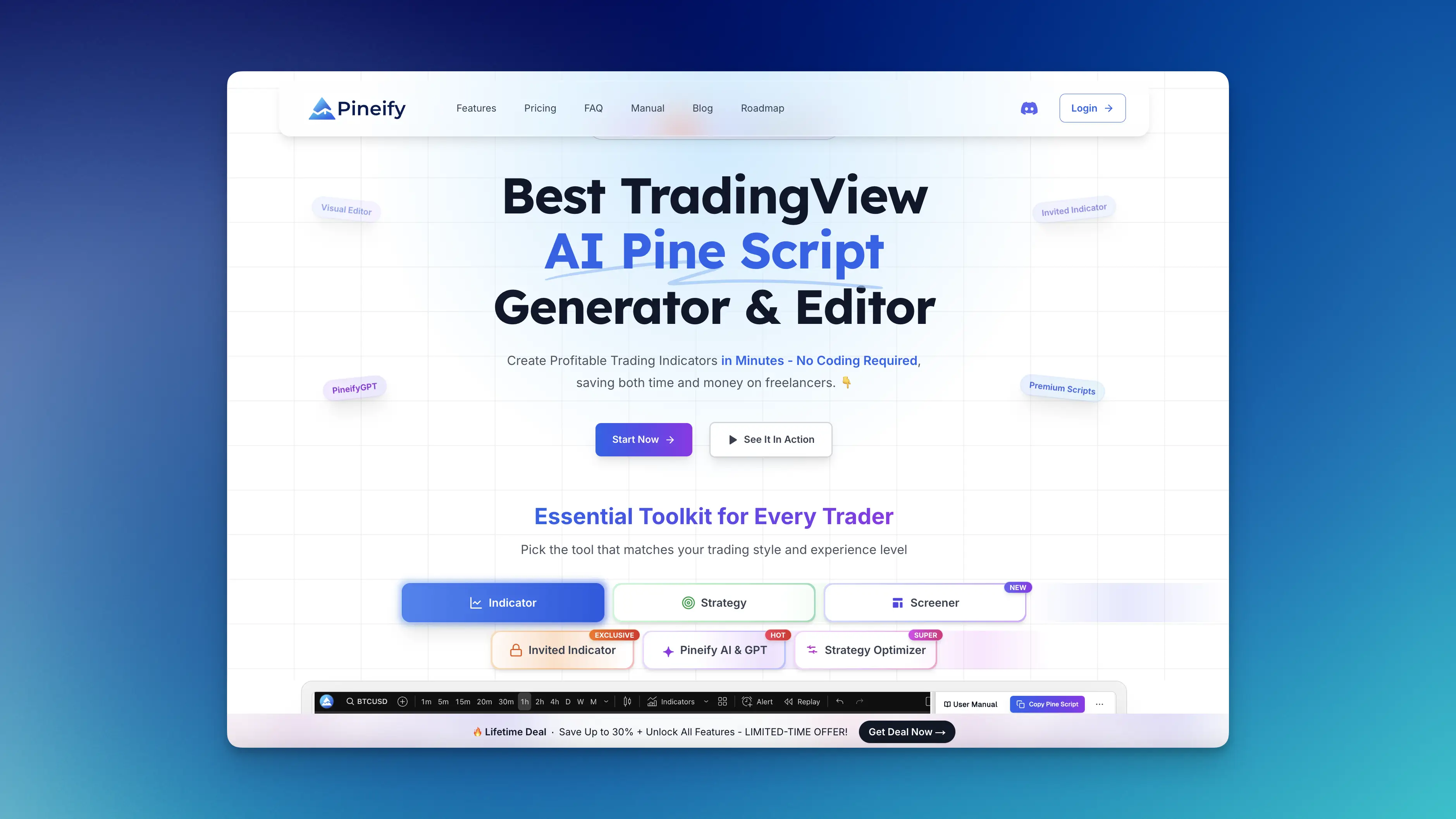
When you're running dozens of indicators across multiple charts, each one eats memory. I've been using Pineify to combine indicators into a single script, which helps keep things fast. I will say the learning curve is real — it took me a weekend to get comfortable with the visual editor.
Here's why the desktop app often feels more responsive:
| Advantage | Why It Matters |
|---|---|
| Direct Computer Access | Uses your CPU and RAM just for trading, not for other browser tabs in the background. |
| Independent Stability | Won't crash or slow down if your browser does. It runs in its own separate window. |
| More Screen Space | Removes the browser's address bar, bookmarks, and toolbars, giving your charts more room. |
For anyone actively trading — especially with multiple monitors or several chart layouts — the desktop app makes a noticeable difference. It cuts out the middleman and makes everything feel snappier.
Getting Your Browser Ready for TradingView
No matter which browser you prefer, a few tweaks can make TradingView run noticeably faster. Think of it like tidying your workspace before a big project.
Key Browser Settings to Check
Turn on hardware acceleration. This lets your graphics card help with the heavy lifting. You'll find it in your browser's settings menu. Switching it on makes charts scroll and update much more fluidly.
Always run the latest browser version. Browsers update automatically to fix bugs and improve speed, and these updates often help web apps like TradingView work better. An old version can cause glitches or slow things down.
Clear cache and cookies now and then. Over time, your browser stores outdated data that might conflict with TradingView. A fresh start can solve weird loading issues and keep things snappy. This is also good practice if you're learning to run Pine Script in TradingView.
Habits for a Smoother Experience
Make sure JavaScript and WebGL are enabled (they usually are by default). TradingView depends on these to draw charts and tools.
Pause browser add-ons you don't need while trading. Extensions, especially ad blockers or privacy tools, can accidentally block parts of TradingView. Disabling them temporarily can tell you if they're the cause of trouble.
Close background apps you aren't using. This frees up memory and processing power for TradingView. If you keep many tabs open for research and news, use separate browser profiles. This keeps TradingView in its own clean space. Pair your optimized browser with the right chart settings for TradingView to get the full benefit.
Getting Your Computer Ready for Smooth Trading
Your computer is the foundation TradingView runs on. A few key upgrades can make everything feel snappier.
For the core setup, aim for a modern processor with multiple cores. This helps TradingView handle complex charts without slowing down. Pair that with at least 16GB of RAM — I've run TradingView on 8GB and the difference is night and day. A dedicated graphics card also helps, especially if you use lots of indicators or custom scripts.
If you jump between different charts and timeframes constantly, your monitor matters more than you might think. A monitor with a high refresh rate (144Hz or more) makes price movements look smooth and reduces eye strain during long sessions.
Quick tip: If TradingView starts lagging with many charts open, your system might be running out of memory. Try increasing your computer's virtual memory as a temporary boost. For a permanent solution, upgrading your RAM is more effective.
How to Fix Common Browser Problems with TradingView Charts
When your TradingView charts won't load, freeze, or feel slow, it's frustrating. But these are common issues with straightforward fixes.
Here's the step-by-step approach I use.
1. Start with a Clean Slate in Incognito Mode
Your main browser saves cookies, cached files, and extensions. Sometimes one of these conflicts with TradingView.
Open an Incognito window (Chrome) or Private window (Firefox, Safari) as a first test. These modes ignore most saved settings and extensions. If TradingView works perfectly there, the issue is in your regular browser profile — a specific extension or corrupted cache.
2. Try a Different Browser
If the problem happens even in incognito mode, open TradingView in a completely different browser. If you normally use Chrome, try Firefox or Edge.
This tells you whether it's a problem with all browsers on your computer or just your usual one.
- If it works fine in a different browser, the issue is specific to your main browser setup.
- If it has the same problems everywhere, the issue is your computer's system (graphics drivers) or network.
3. Update Your Graphics Card Drivers
This is crucial if you see visual glitches, blank charts, or severe lag. TradingView charts are graphics-intensive, and outdated GPU drivers are a common cause of display problems.
Updating is usually free and simple:
- For NVIDIA cards: Use GeForce Experience or the NVIDIA driver download page.
- For AMD cards: Visit the AMD website and use their auto-detect tool.
- For Intel integrated graphics: Find the latest drivers on Intel's website.
A quick update often makes rendering issues disappear.
4. Reset Your Browser Settings
If the problem is only in one specific browser, a reset can be a powerful fix. This restores core settings to defaults, clears cache and cookies, and disables extensions. It usually preserves bookmarks and passwords (double-check before proceeding).
You'll find this option in your browser's settings menu under "Advanced" or "Troubleshooting." It eliminates hidden configuration tweaks that might prevent TradingView from loading correctly. Understanding these basics also helps with common coding issues like the "undeclared identifier" error in Pine Script.
Start with step one and work your way down. This methodical approach will pinpoint the problem quickly.
Frequently Asked Questions
Which browser is fastest for TradingView?
Chrome offers the best balance of speed and reliability for TradingView in my experience. I've had 15 charts with indicators running without issues. But if raw speed matters most, the TradingView desktop app beats every browser because it doesn't share resources with other tabs.
Can I use TradingView on Safari?
Yes, Safari works fine with TradingView for everyday use on Mac. It's great on battery life and privacy. But I've noticed that if you run intensive multi-chart setups with complex scripts, Chrome or Firefox handles the load better during volatile markets.
Do browser extensions affect TradingView performance?
Yes, some extensions interfere with TradingView. I've had ad blockers accidentally block chart elements. Trading-specific extensions like custom alert tools can help, but stick to only what you need during trading hours.
How much RAM do I need for TradingView in a browser?
For serious traders running multiple charts simultaneously, 16GB of RAM is the sweet spot. I've tried 8GB and got lag with five charts and a few indicators open. Upgrading RAM was the most effective fix I made.
Should I use the TradingView desktop app or web browser?
For pure power and stability with complex chart layouts, the desktop app wins — it uses system resources exclusively for trading. The browser version offers flexibility: you can access your setup from any machine without installing anything. I use the desktop app for primary trading and the browser for quick checks.
Is hardware acceleration important for TradingView?
Yes, enabling it lets your graphics card handle chart rendering, making animations noticeably smoother. You'll find this setting in your browser's advanced settings. It makes a bigger difference than most traders expect when you have multiple charts open.