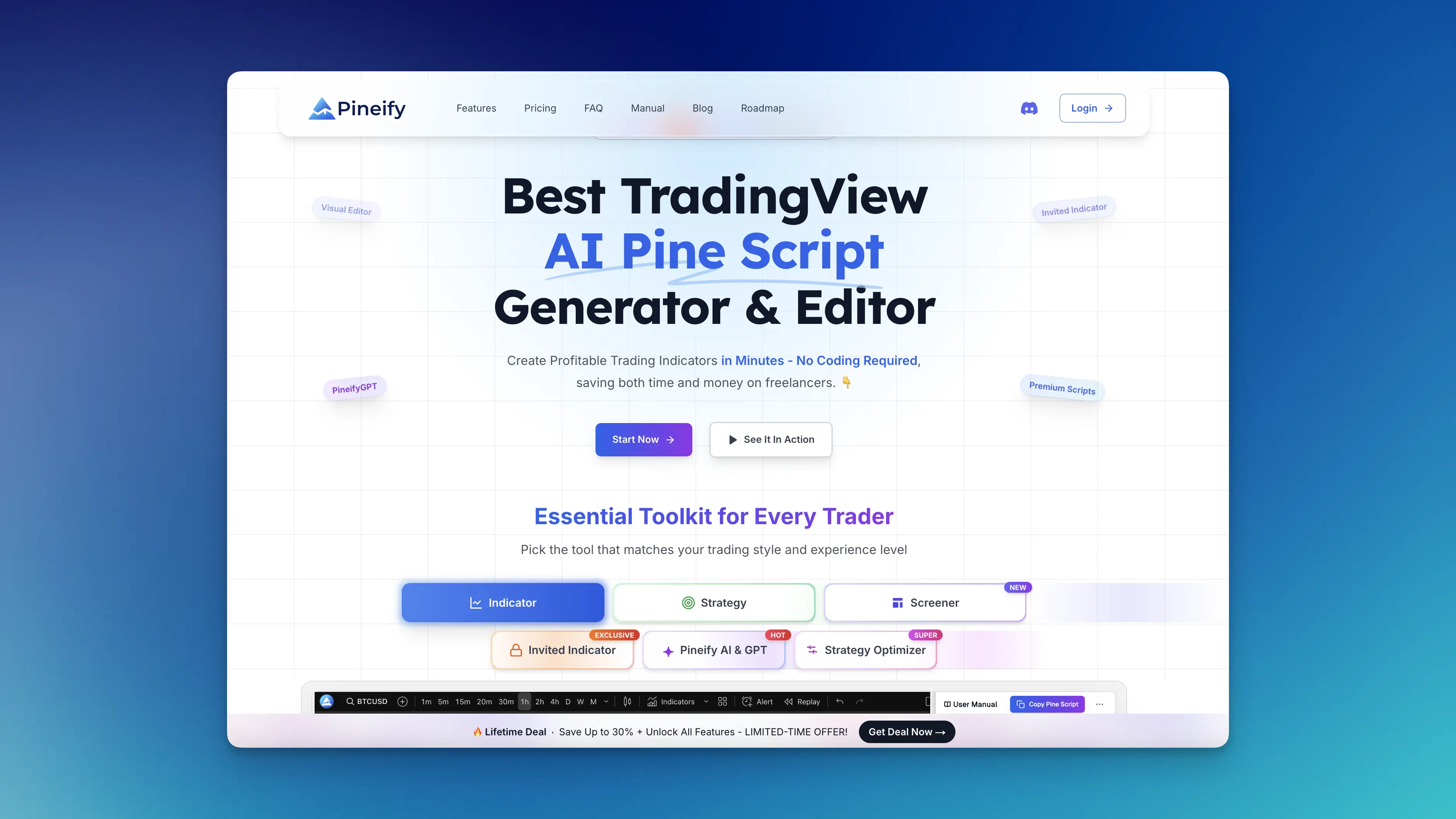
AI vs Human Stock Picking: Pineify vs Motley Fool Stock Advisor

Pineify's stock-picker workflow and Motley Fool Stock Advisor provide different research outputs. Pineify presents model-sourced stock scores with additional company and options research. Stock Advisor publishes analyst-led investment recommendations and commentary. Comparing their research process is more useful than declaring AI or humans the winner.
This comparison uses current product implementation and official documentation. It is not a personal trading experiment, a return ranking, or a claim that one service suits every active or long-term investor.
How to Compare Stock Research
Start with the deliverable, intended horizon, and evidence. A frequently refreshed score can still target a multi-month outcome. A long-term recommendation still requires valuation, diversification, and ongoing thesis review. Neither update cadence nor authorship establishes investment quality.
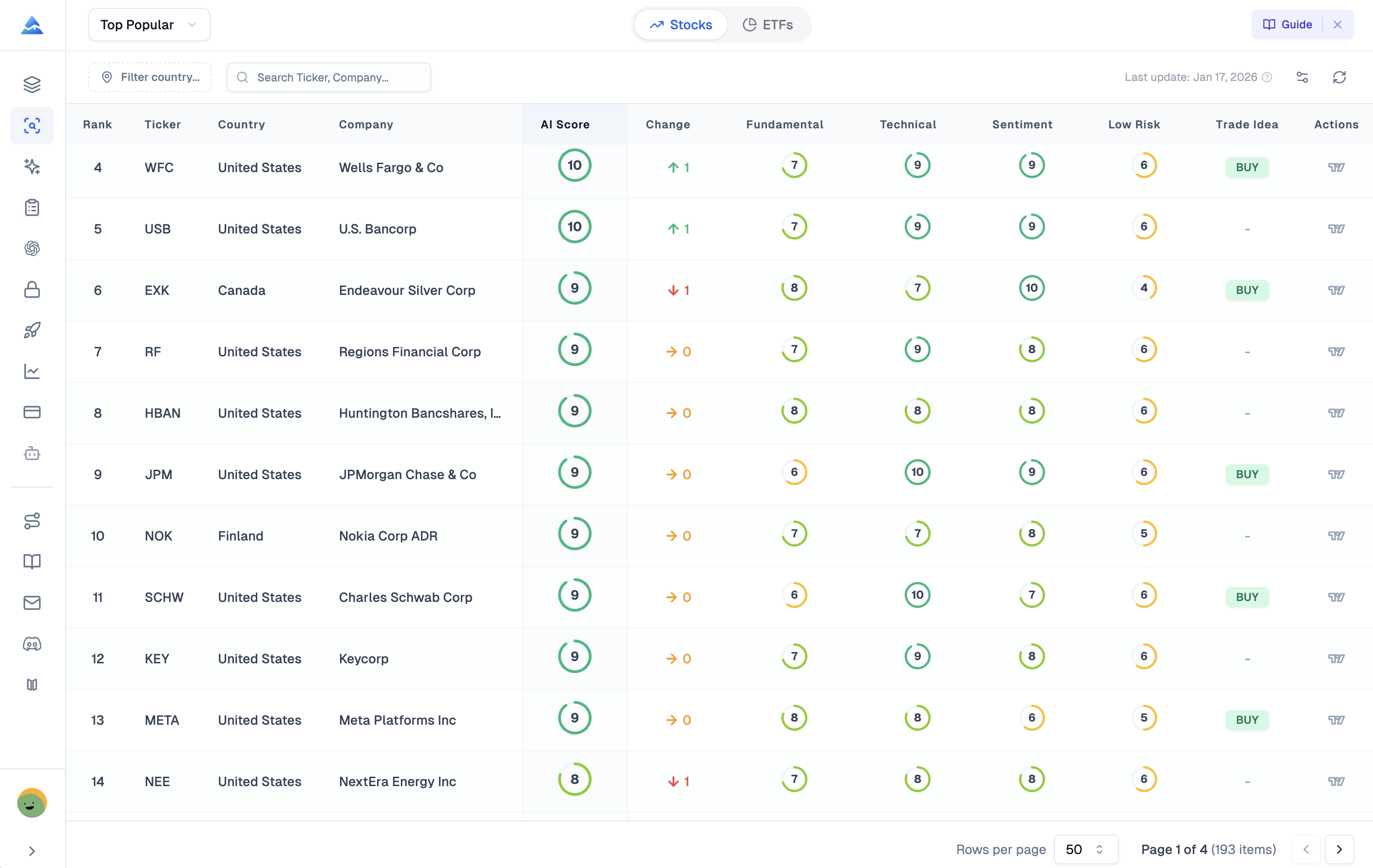
Pineify's AI Stocks & Options Picker
Pineify's implementation retrieves Danelfin-sourced scores rather than proving a separately trained Pineify prediction model. Danelfin's definition links its 1–10 score to relative stock/ETF performance over a three-month horizon. Inspect the snapshot date and benchmark; a score is not a forecast of today's return or an option's profitability.
The interface also offers additional company and options research. Do not assume all adjacent data enters the scoring model or that a combined score is the arithmetic mean of its subscores. Missing or stale data remains a limitation.
Options Research
For an options question, inspect the exact contract, expiration, bid/ask timestamp, liquidity, and available Greeks. A stock's ranking does not identify the appropriate strike or premium. Flow and open interest can include hedges, spreads, and closing transactions; they do not reveal certain institutional intent.
Max-pain and expected-move calculations depend on their inputs and conventions. Neither should be presented as a reliable price magnet or guaranteed settlement range.
Separate Strategy and Journal Tools
Pineify also has script-authoring, strategy-optimization, report, and journal workflows. These need their own inputs and setup. A score or chart view is not a completed backtest. Journal records are not automatically synchronized with a broker merely because a user has research access.
Generating Pine Script for TradingView does not embed every Pineify research, options, or journal feature inside TradingView. Keep the application boundary clear when choosing a workflow.
Motley Fool Stock Advisor
The official Stock Advisor description describes analyst stock recommendations, including two new recommendations per month, and supporting research. Evaluate the investment thesis, risks, assumptions, and expected holding period in the actual material.
Do not treat a promotional average return as the return a new subscriber would have earned. The Fool publishes return-calculation disclosures explaining recommendation-based comparisons. Check the current methodology, measurement date, benchmark, dividend treatment, and whether the figure is an average of recommendations or an investable portfolio result.
This guide does not repeat the earlier undated 975%, 70–72% win-rate, or 134% figures. Without a common starting date, selection rule, capital allocation, and costs, they cannot establish a fair comparison with a current model score.
Feature and Workflow Comparison
| Question | Pineify stock-picker workflow | Stock Advisor workflow |
|---|---|---|
| Primary output | Provider-sourced rankings and research views | Analyst recommendations and commentary |
| Horizon to inspect | Score provider's target, separately from update date | Recommendation thesis and intended holding period |
| Options task | Inspect available contract data separately | Verify the selected subscription's actual coverage |
| Strategy testing | Separate script/testing workflow and assumptions | Do not infer a backtest engine from a recommendation |
| Performance evidence | Point-in-time scores and a defined selection experiment | Published methodology and dated recommendation record |
| Access | Current plan eligibility and feature limits | Current subscription, introductory and renewal terms |
The table does not claim that all Motley Fool products lack options or that Pineify's tools are automatically superior. It compares these specific workflows and the questions a buyer should resolve.
Pricing and Eligibility
Use Pineify's current pricing and the official Stock Advisor offer for the actual terms available to you. Check renewal charges, promotional conditions, limits, and what is included. Historical dollar and monthly-credit tables are not reliable purchase quotes.
Pineify's current full stock-picker fields require eligible Advanced-or-higher access; lower tiers may show masked fields. That is a feature boundary, not evidence that a plan is cheaper for every holding period or research need.
Which Workflow Fits the Task?
If the task is ranking a covered universe and exploring related data, inspect whether Pineify returns the fields and dates you need. If the task is reading analyst investment theses, inspect Stock Advisor's research and its assumptions. There is no need to recast a three-month score as a daily trade trigger to make the distinction.
Using both could provide different perspectives, but overlapping sources and correlated ideas can create concentration rather than independent confirmation. No assumption is made about how many investors combine them or what return they achieve.
A Fair Evaluation
Choose a stated research question and compare the evidence each service supplies. For performance, predefine selections, holding periods, position weights, rebalancing, costs, and benchmark. Preserve all observations and evaluate a period not used to choose the rules. A convincing narrative and a high model score both remain uncertain forecasts.