Script Could Not Be Translated From Null: Causes & Fixes

Fix TradingView's 'Script could not be translated from null' error with proven fixes for common causes like missing study/strategy declarations, version mismatches, and syntax errors.
The "Script could not be translated from null" is a Pine Script compilation error that appears when the compiler can't find a valid script entry point. It's one of the most frustrating blockers for TradingView developers, and I've hit it more times than I can count.
You're in the zone, your indicator logic is solid, you hit run — and instead of a working chart you get a cryptic null message. It kills momentum, stops development cold, and it can even make you miss a trade setup while you're stuck debugging.
I spent two hours last month tracking down this error in an AAPL RSI crossover strategy. Turned out I'd accidentally deleted the indicator() line while cleaning up comments. Dumb mistake, but it happens to everyone.
What Causes This Error
Here are the usual suspects — think of them like why your car won't start.
- Missing the
study()orstrategy()declaration. This is the foundation. Every Pine Script needs one at the top. Skip it, and the compiler has no idea what you're building. - Wrong or missing Pine Script version. The
//@version=5line at the top is not optional. Leave it out and the compiler defaults to v1, which can't parse modern syntax. - A typo or syntax error. Unmatched bracket, stray comma, missing parenthesis. The parser hits one and gives up.
- An empty code block. An
ifstatement orforloop with nothing inside the curly braces returns null. The compiler can't translate "nothing." - A deprecated function. Old functions get retired as Pine Script evolves. Use one and the compiler stops.
- Script overload. There are hard processing limits. I've seen this with scripts over 800 lines — the translator times out and returns null.
Quick-Fix Checklist
Run through these when you're stuck. They've saved me hours.
- Version-pin first. Line one must be
//@version=5. Even a comment before it can cause the error. - Check your main declaration. One
study()orstrategy()call per script. - Use Pine Syntax Check. It's built into the TradingView editor. Click it before anything else.
- Isolate with commenting. Comment out the bottom half with
/* ... */, re-run, narrow from there. - Update old functions. The Pine Script Reference Manual has modern equivalents for retired calls.
- Refresh your browser. Ctrl+F5 or Cmd+Shift+R clears stale editor cache.
Deep-Dive Solutions
1. Declare the Script Type Correctly
This is where most people get stuck.
For indicators:
//@version=5
indicator("My Indicator", overlay=true)
For strategies:
//@version=5
strategy("My Strategy", overlay=false, default_qty_type=strategy.percent_of_equity, default_qty_value=10)
Tell TradingView what kind of script you're sending before anything else.
2. Resolve Version Mismatches
Older scripts, especially pre-2020, default to ancient Pine versions. Force modern mode at line 1:
//@version=5
Swap old functions for current ones afterward. Most manual cross logic can be replaced with the built-in crossover().
3. Hunt Down Syntax Gremlins
Common culprits:
- Mismatched parentheses or curly braces
() {} - Stray commas inside function calls
- Missing indentation after
iforfor
The editor's red underline helps. I paste tricky code into an online Pine Script linter when I'm really stuck. I haven't tested every linter out there, but pinescripters.net works well for me.
4. Replace Deprecated or Renamed Functions
Functions change between versions. Moving from v4 to v5 changed plotshape(series, style=shape.arrowup) to plotshape(series, shape=shape.triangleup). I prefer checking the reference manual before trusting old code.
5. Break Up Monolithic Code
A 500-line script pushes the compiler's limits. Move helpers into separate functions or a library. For more on structuring scripts, check out how to add strategy in TradingView.
Best Practices
A few habits stop most errors before they start.
- Always version-pin.
//@version=5at line 1. - Use version control. GitHub or Gist gives you rollback.
- Automate checks. CI with Pine-check catches typos early.
- Read release notes. Breaking changes are listed there.
- Ask the community. Stack Overflow and r/pinescript are goldmines.
Common Mistakes Table
| Mistake | What Happens | The Fix |
|---|---|---|
Missing study() or strategy() | Compiler throws null error | Add declaration at the top |
Missing //@version= tag | Editor defaults to v1, modern features break | Put //@version=5 on line 1 |
Unmatched curly braces {} | Compiler loses section boundaries | Ctrl+Shift+F auto-formats and reveals missing pairs |
| Deprecated function | Pine Script doesn't recognize the command | Check v5 Reference for replacements |
Empty if block | Returns null | Remove the check or add real logic |
Real-World Example
Here's a mistake beginners make all the time.
//@version=5
// missing indicator() call
if close > open
    // nothing here
Result: "Script could not be translated from: null."
No indicator() declaration means the compiler has no context.
Fixed version:
//@version=5
indicator("Bullish Close", overlay=true)
plotshape(close > open, style=shape.triangleup, color=color.green, location=location.belowbar)
Changes:
- Added
indicator()to declare the script type - Added
plotshape()to render green triangles below bars when close > open
FAQ
What does 'Script could not be translated from null' mean?
It means the Pine Script compiler received an empty or unreadable script body. You're probably missing the indicator() or strategy() declaration, the //@version= tag, or there's a syntax error that stops the parser cold.
How do I fix the null error from a missing version tag?
Put //@version=5 on the very first line — before comments. Without it the compiler defaults to v1 and throws the error on modern syntax.
Can deprecated functions cause this error?
Yes. If your script calls a removed or renamed function the compiler can fail entirely. Check the Pine Script v5 Reference Manual for current equivalents.
Does script size cause null translation errors?
It can. Scripts over 50 kB or using more than 1,000 local variables may hit compilation limits. I prefer modular scripts — break them into smaller functions or libraries.
How do I find the exact line causing the error?
Use binary isolation. Comment out the bottom half, re-run, and keep halving until the issue surfaces. The Syntax Check button also highlights obvious problems instantly.
Is this error different from other Pine Script compile errors?
Yes. Most compile errors point to a specific line and describe the problem. This one means the compiler couldn't find any valid entry point — usually because indicator() or strategy() is missing, or the version tag is absent.
Step-by-Step Debugging Process
I use this workflow whenever the null error shows up.
- Start fresh in a new tab. Open a Pine Script v5 template and paste your code in. This catches missing declarations you might've overlooked.
- Isolate the problem. Comment out sections and re-run until the error disappears. You've found your spot.
- Update and tweak. Replace deprecated functions, check syntax for commas and brackets. Save versioned copies so you can backtrack.
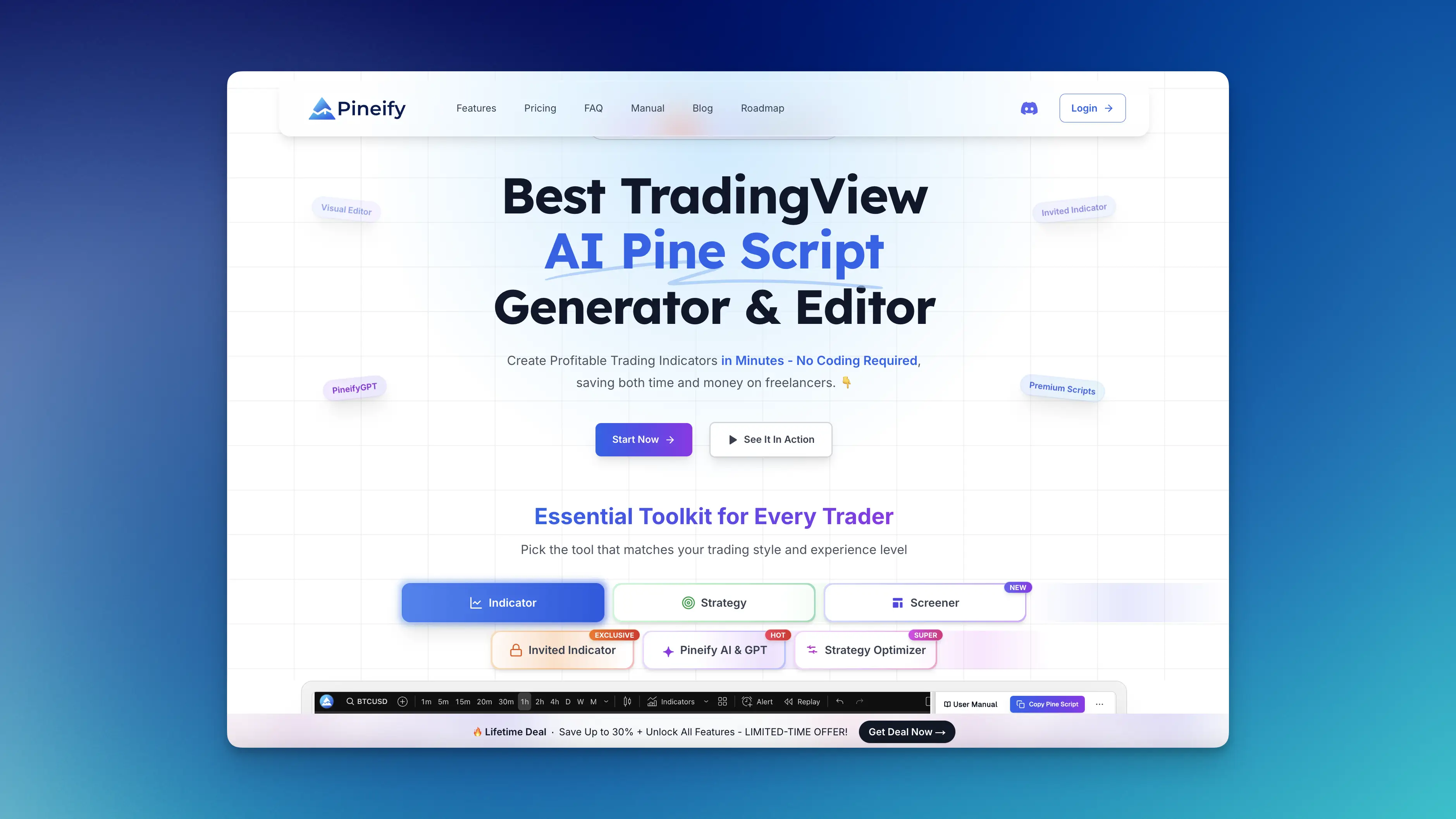
If you're dealing with these errors regularly, tools like Pineify's AI editor can write error-free code automatically. Check out our True Strength Index Indicator guide and the best free TradingView indicators for 2025 for more.
- Ask for help. Share a minimal failing example on TradingView Scripts or r/pinescript. Stripped-down code gets better answers.
- Stay updated. Read TradingView release notes. Knowing what changed saves you from chasing phantom bugs.