Best Options Backtesting Software: Compare Top Platforms for Traders
Ever stared at a complex options strategy and wondered if it's ever actually worked for anyone? That's the exact question options backtesting software answers. It replays years of historical market data so you can test an idea before risking real capital. I've run through roughly a dozen platforms over the last three years, testing strategies on SPX, SPY, and QQQ. Here's what I've found: no single tool wins for everyone. The right pick depends on whether you want automation, manual replay, or free access to historical options chains.
Why Backtesting Options Is a Whole Different Game
Backtesting stocks is one thing; backtesting options is another level entirely. An option's price isn't just about whether the stock goes up or down. Its value is a blend of the stock's price, time decay (theta), implied volatility, delta, gamma, and the specific expiration date. A tool that only tracks the stock's history misses the whole picture. You need to see the entire options chain as it existed at each moment in the past. I learned this the hard way after wasting two weeks on a stock-only backtester that gave me totally misleading results for an SPX iron condor strategy.
The best platforms, built specifically for options, store this full historical data, often down to one-minute snapshots. They let you test your ideas based on the real factors you care about: targeting a specific delta, exiting with so many days-to-expiration (DTE) left, or managing a position as volatility shifts. This precision isn't optional — it's essential, especially for fast-moving strategies like trading 0-DTE or 1-DTE options on indices like the SPX, SPY, or QQQ. For traders who work with advanced charting tools, knowing how to switch to logarithmic scale on TradingView can help visualize long-term price movements and volatility.
Five Options Backtesting Platforms I've Used
I've spent hundreds of hours testing these platforms. Here's who each one actually works for.
1. Option Omega — Best for Automated Backtesting
If speed is your priority, Option Omega delivers. I keep it installed for one reason: a ten-year backtest on SPY iron condors takes about three minutes. It uses 1-minute historical data, which matters for short-term trades like 0 or 1-day-to-expiration (DTE) plays.
What it does well:
- Supports options on major ETFs and stocks like SPY, SPX, QQQ, IWM, and TSLA.
- That 1-minute data means your results are precise for short holds.
- You can combine multiple strategies into one portfolio backtest.
- Export results to CSV for deeper spreadsheet analysis.
- The speed of running decade-long tests is its standout feature.
Where it falls short: It's built for automated, set-and-forget testing. If you prefer stepping through market history bar by bar, this platform won't work for you. I haven't found a way to do manual replay here.
2. ORATS — Best for Data-Driven Strategy Research
ORATS (Option Research & Technology Services) is what I turn to when I need serious data. Its engine comes loaded with over 300 million pre-scanned backtests, with data going back to 2007. Every test gives you 37 performance metrics, return graphs, and detailed trade logs. I've found it indispensable for broad research — testing an iron condor strategy across every weekly SPY expiration for three years takes about 10 minutes.
| Plan | Price/Month | Best For |
|---|---|---|
| Individual | $99 | Serious retail traders doing deep analysis |
| Team | $299 | Small trading teams or professional users |
The price sits on the higher side, but you're paying for institutional-quality data that's hard to match elsewhere.
3. OptionNet Explorer (ONE) — Best for Manual Backtesting
I prefer ONE when I want to replay the market step by step. It uses 5-minute historical data and handles complex multi-leg positions like iron condors and butterflies naturally. You control the playback, which teaches market nuance that automation misses.
It connects directly to several brokers, helping bridge research to execution.
The downsides: roughly $660 per year, and manual testing of many strategy variations takes serious time. I wouldn't use this for batch testing.
4. thinkorswim thinkBack — Best Free Option for TD Ameritrade/Schwab Users
If you have a TD Ameritrade or Charles Schwab account, thinkBack is my go-to free recommendation. Inside the thinkorswim platform, the thinkBack feature (under the Analyze tab) gives you nearly ten years of historical options data. You can drop in any single or multi-leg trade on any past date and see its simulated profit and loss.
They also have thinkOnDemand, a paper trading account that replays historical data with fast-forward and rewind.
The catch? It's manual. You won't get the batch-testing speed of ORATS or Option Omega. I've tried automating it and hit limits.
5. tastylive Lookback — Best Free Automated Option
tastylive Lookback is the tool I recommend to new traders. It's a free, automated backtesting tool that runs tests across many tickers at once. You can export data to CSV.
It's a solid starting point for anyone who wants to see how strategies perform over time without spending a dime. The downsides: less customization and shallower data than paid platforms. It's where you begin, not where you end.
Side-by-Side: Key Differences
Each platform serves a different trading style. Here's how they compare on the specs that matter most.
| Platform | Data Start | Data Granularity | Automation | Manual Backtest | Cost |
|---|---|---|---|---|---|
| Option Omega | 2013 | 1-minute | Yes | No | ~$47/month |
| ORATS | 2007 | EOD + Intraday | Yes | Yes | $99–$299/month |
| OptionNet Explorer | ~2012 | 5-minute | No | Yes | ~$660/year |
| thinkorswim thinkBack | ~10 years | Manual replay | Limited | Yes | Free |
| tastylive Lookback | ~2005 | Daily | Yes | No | Free |
Free tools work well for learning and basic analysis. Paid services give you deeper historical data and minute-by-minute precision. You trade off cost against control and detail.
What I Look For in Backtesting Software
I've changed what I prioritize over the years. Here's what matters most to me now.
-
Real Historical Options Data: Past stock prices aren't enough. You need the full options chain — every strike and expiration — going back years. If the software only tracks the underlying stock, your results will be misleading. Aim for 5-10 years of chain data.
-
Data Granularity: How often do you check your trades? For short-term plays like day trades or zero-day options, you need minute-by-minute data. For longer holds, daily data gives a clear enough picture.
-
Automated vs Manual: If you follow strict rules, an automated backtester can run thousands of tests fast. If you study specific market moments, manual replay teaches more nuance. This is similar to the control you get when you learn how to edit TradingView charts for precise historical analysis.
-
Complex Strategy Support: The platform must handle spreads, iron condors, butterflies — all the multi-leg structures — without awkward workarounds.
-
Performance Metrics: A single profit/loss number hides the real story. I look for win rate, average win vs loss, and maximum drawdown. Some platforms offer dozens of metrics, and I've found those invaluable for understanding risk.
-
Data Export: You should be able to export results to CSV. I often dig deeper in Excel or build custom charts in Python. Locked-in data limits your analysis.
-
Broker Connection: Some platforms link directly to your brokerage, letting you go from test to trade in a few clicks. It saves time and eliminates manual entry errors.
Frequently Asked Questions
Is free options backtesting software accurate enough for serious traders?
Free tools like tastylive Lookback and thinkorswim thinkBack are good starting points. They help you understand the basics without financial risk. But if you're managing real money on complex strategies, you'll hit limits. They lack the detailed data and deep customization of paid platforms. I'd say start free, then upgrade to ORATS or Option Omega once your trading outgrows the basics.
What data granularity do I need for 0-DTE options strategies?
For 0-DTE and 1-DTE strategies, you need intraday data. I consider 1-minute historical data the minimum for realistic results. These strategies live or die on moves that happen within hours or minutes. End-of-day data will show you a completely wrong picture of how your entries and exits would have worked. I've seen backtests look great on daily data and fall apart on 1-minute.
Can I backtest options strategies without knowing how to code?
You don't need to code. Platforms like Option Omega, ORATS, and tastylive Lookback use visual interfaces and click-to-build strategy templates. If you do code, you have other options like QuantConnect or Backtrader for maximum control. I prefer the visual tools for quick checks and save coding for complex research.
How far back should my backtesting data go?
I aim for at least 10 years. A backtest needs to see how a strategy behaves across different market conditions — bull markets, bear markets, high volatility. ORATS offers data back to 2007, which covers the 2008 financial crisis. Testing through that period tells you if your strategy can handle real stress. I don't trust a backtest that hasn't seen at least one crash.
What is the biggest mistake traders make when backtesting options?
Overfitting. You tweak your strategy rules to fit past data so perfectly that it becomes a history lesson, not a trading plan. I've made this mistake myself. The fix: test your final strategy on data you didn't use during development (out-of-sample testing). Also run it on several different tickers, not just the one you're targeting.
What To Do Next
Now you've seen the options. Here's my practical advice based on where you are.
- Starting from scratch? Use a free tool. Set up a thinkorswim account and try thinkBack, or open tastylive Lookback. No cost, no risk. toslc.thinkorswim
- Trading automated or systematic strategies? Option Omega is my pick for speed, especially for 0-DTE or short-term plays. If you need decades of data to validate an idea, ORATS with its 2007 data is worth the price. optionsscanners
- Prefer manual, step-by-step testing? Check out OptionNet Explorer. It's built for replaying the market and studying how complex multi-leg positions would have played out. tradingfxvps
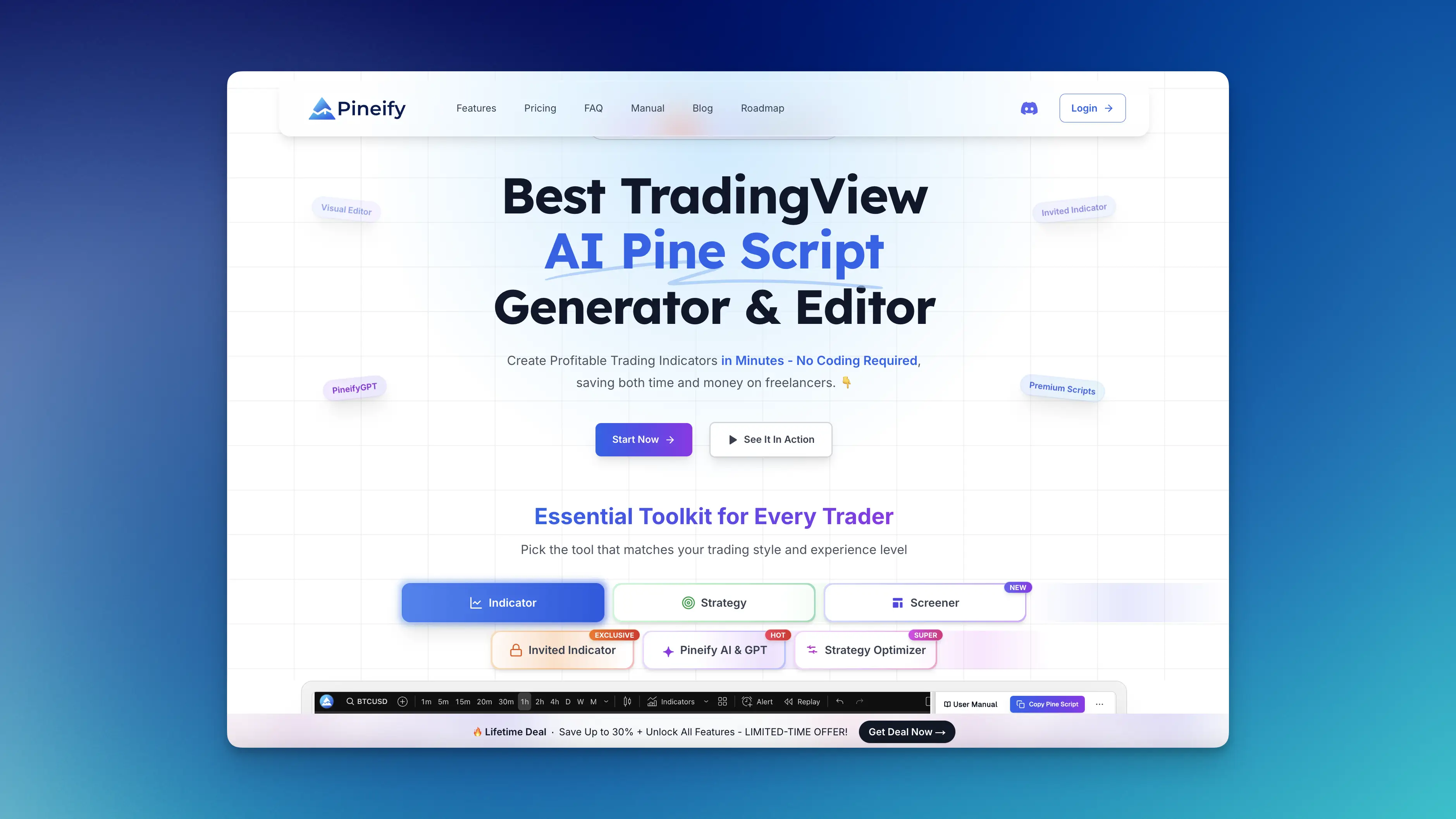
- Track what you learn. Whatever your backtests reveal, write it down in a trading journal. This helps you spot patterns and refine your approach. For TradingView users, Pineify turns your Strategy Tester CSV into institutional-grade reports with metrics like Sharpe ratios and Monte Carlo simulations, and its AI tools help build and optimize Pine Script strategies without coding. Understanding concepts like the previous candle close in Pine Script is key for building logic-driven strategies.
Have you used any of these tools? Drop a comment below. Sharing what worked or didn't helps others figure out their own path.