Why Are My Orders Getting Rejected on TradingView?

I've had plenty of TradingView orders bounced back over the years. One morning last March I was trying to enter a EUR/USD position and kept getting "Order rejected" — no explanation, just a red popup. Turns out my available margin was $300 short because of an open GBP/JPY trade I'd forgotten about. A TradingView order rejection is the platform's way of telling you that something in your setup or the current market environment needs attention. Most of the time it's a simple fix, not a platform bug.
I've worked through dozens of these rejections across different brokers, and the causes fall into a few predictable buckets. Here's what I've learned about each one.
Most Common Reasons Orders Get Rejected on TradingView
1. Insufficient Margin or Buying Power
Why it happens: The buying power number on your TradingView dashboard is a rough estimate. Your broker uses a different calculation that factors in open positions, position size, and real-time volatility. I've seen my "available" margin show $5,000 on TradingView while my broker only allowed $3,200 — a $1,800 gap that would bounce any order.
Why this fix works: Checking your broker's native platform gives you the real number. TradingView's display doesn't always sync with your broker's margin engine, especially when you have multiple open positions.
What can go wrong: Brokers can change margin requirements without notice during volatile periods. A stock that needed 50% margin yesterday might require 75% today. If you rely entirely on TradingView's display, you'll keep hitting rejections.
How to fix it:
- Check your actual available margin on your broker's app or website, not on TradingView.
- Subtract your open position margin from total equity to get a realistic picture.
- Keep a cash buffer of 10-20% above the minimum margin requirement.
2. Incorrect Order Type or Parameters
Why it happens: Order types have strict placement rules. Buy Stop orders must go above the current price. Sell Stop orders must go below it. Mix those up and the broker rejects them automatically. Some instruments don't support complex order types like OCO (One-Cancels-Other) or bracket orders.
Why this fix works: Each order type maps to a specific market situation. Matching the type to your intent is the only way the broker's system accepts it.
What can go wrong: Even with the right type, a price typo can cause a rejection. I once lost a fill on AAPL because I set a limit order $0.01 below the ask instead of at the ask — the order sat unfilled until the close.
How to fix it:
- Buy stops go above the current price, sell stops go below.
- Use limit orders when you want a specific price, not a breakout entry.
- Double-check your price and quantity before submitting.
3. Order Size Too Large (Exceeds Maximum Position Size)
Why it happens: Every broker sets maximum position sizes per account tier, instrument type, and leverage level. Forex micro lots have different limits than standard lots.
Why this fix works: Reducing your order size to within your broker's limits is the only path forward. Understanding lot sizes — micro, mini, standard — helps you stay within bounds.
What can go wrong: Some brokers apply position limits per instrument, not per account. You might hit a limit on ES futures even though your overall account could handle more.
How to fix it:
- Check your broker's position limit documentation.
- Break a large order into smaller chunks.
- Test with a small order first to confirm the size is acceptable.
4. Insufficient Funds or Capital
Why it happens: Straightforward — your account balance isn't enough to cover the trade plus fees, commissions, and margin requirements. I see this most often when traders forget to account for commissions on options trades.
Why this fix works: Adding funds or reducing position size directly addresses the root cause.
What can go wrong: Brokers sometimes hold a buffer for slippage. You might have $10,000 for a $9,500 trade, but the broker reserves an extra 5% for price movement, making your true available balance less than the trade cost.
How to fix it:
- Check available funds, not account balance.
- Account for fees, commissions, and slippage buffers.
- Deposit more money or size down.
5. Account or Subscription Issues
Why it happens: Your broker account might be pending verification, your subscription might have lapsed, or KYC documents haven't been approved.
Why this fix works: An active, verified account is a prerequisite for any trade. Until those requirements are met, orders won't go through.
What can go wrong: Some brokers disable trading during document review even if your account was active before. Always verify your account status in the broker's portal.
How to fix it:
- Confirm your account is funded and verified.
- Complete all KYC requirements.
- Check that your trading subscription hasn't expired.
6. Trading Outside Permitted Hours
Why it happens: Markets have set operating hours. Stocks trade during exchange hours, forex runs nearly 24/5, and futures have specific session times. Orders placed outside those windows get rejected.
Why this fix works: Aligning your order time with market hours is the only way to get execution. There's no way around this one.
What can go wrong: Some instruments have pre-market and after-hours sessions with different rules and liquidity. A limit order placed during regular hours might not work the same way in pre-market.
How to fix it:
- Check the trading hours for your specific instrument.
- Remember that holidays and half-days also affect availability.
- Use extended-hours orders only if your broker explicitly supports them.
7. Exchange or Instrument Restrictions
Why it happens: The exchange itself may halt trading for a specific instrument due to news, volatility, or corporate actions. You'll see statuses like "halted," "auction," or "suspended."
Why this fix works: Waiting for the exchange to resume trading is the only option. Nothing you can do will force an order through a halted instrument.
What can go wrong: A halt can last minutes or days. During the GameStop volatility in 2021, some halts lasted hours. Your GTC order might still be sitting there when trading resumes at a very different price.
How to fix it:
- Check the instrument's status on the exchange website.
- Wait for trading to resume naturally.
- Monitor news for the cause of the halt.
8. Order Reached Expiry (Time in Force Settings)
Why it happens: Every order has a Time in Force (TIF) setting. A DAY order expires at market close if unfilled. A GTC (Good Till Cancelled) order stays active until filled or canceled.
Why this fix works: Matching your TIF to your strategy ensures the order stays active for as long as you need it.
What can go wrong: Brokers can impose maximum TIF limits. Some cancel GTC orders after 30 or 90 days even if unfilled. Don't assume GTC means forever.
How to fix it:
- Use DAY for intraday trades.
- Use GTC for multi-session positions.
- Check if your broker has a maximum GTC duration.
9. Incorrect Platform or Broker Connection
Why it happens: If TradingView's connection to your broker drops or the API key expires, orders can't route. This is more common than most people think — API keys often expire every 90 days.
Why this fix works: Reconnecting restores the communication path between TradingView and your broker. No connection, no orders.
What can go wrong: A broken connection can show misleading statuses. I've had TradingView show "connected" while my broker's API was actually rejecting requests silently. The order would fail without any obvious warning.
How to fix it:
- Disconnect and reconnect your broker in TradingView settings.
- Regenerate expired API keys.
- Log out of TradingView and back in to force a fresh connection.
If you're shopping for a TradingView plan, the TradingView subscription pricing page lists the current options.
10. Product Specific Rules (e.g., Futures, Options)
Why it happens: Futures contracts expire monthly. Options have margin and approval requirements. Brokers and exchanges enforce these rules at the order level.
Why this fix works: Trading the correct contract month and having the right account permissions are non-negotiable.
What can go wrong: Futures rollover dates don't always match the expiration date. The front-month contract changes before expiration, and brokers start rejecting the old month. I've had an ES order rejected because I was still on the expiring contract when the market had already moved to the next month.
How to fix it:
- Confirm you're trading the active front-month contract.
- Verify your account has options or futures permissions if needed.
- Read your broker's product-specific rules.
How to Diagnose and Fix Rejected Orders Step-by-Step
When an order gets rejected, I don't start guessing. I work through a checklist:
-
Read the error message. TradingView and your broker both show it. Screenshot it. The exact text is your fastest clue. Last week a friend got "Invalid Price" on a TSLA trade — turns out he was trying to place a buy stop below the current price.
-
Check your margin on the broker's platform. Don't trust TradingView's display alone. Log into your broker's app and look at actual available margin. I've caught $1,200 discrepancies this way.
-
Review the order details. Double-check order type, price, and quantity. One wrong digit can cause a rejection. I once fat-fingered 1,000 shares of AMD instead of 100 and got an instant rejection.
-
Confirm market hours. Is the instrument actually trading right now? Check the exchange schedule.
-
Test with a tiny order. Place a 1-share limit order. If that goes through, the problem was with your original order parameters, not the connection or account.
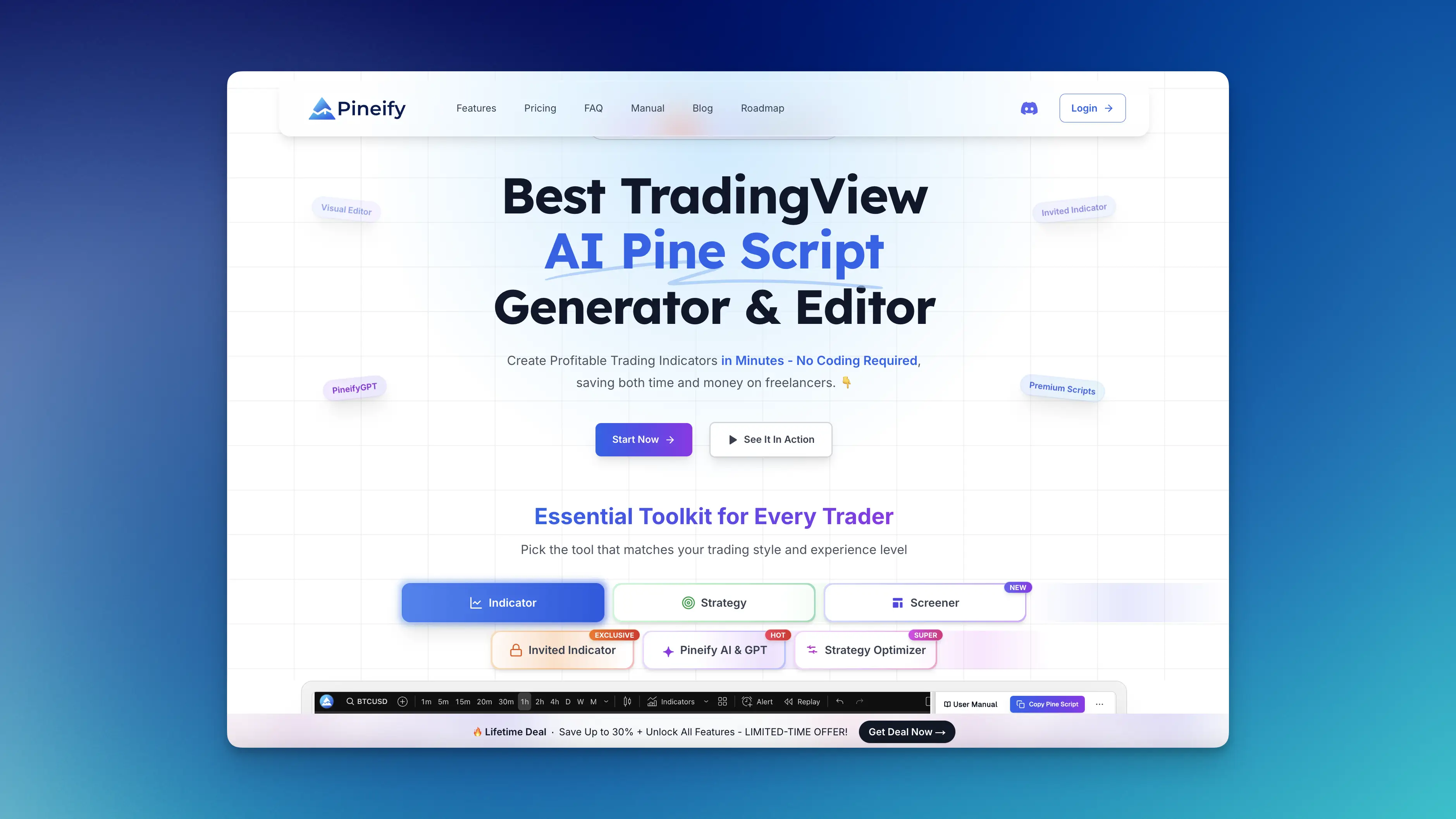
I use Pineify to build and backtest my strategies visually before putting real money behind them. It catches logic errors early — wrong order types, bad entry conditions — that would otherwise lead to rejected orders or bad fills. That said, Pineify won't fix a broker connection issue or a margin shortfall. It's a strategy design tool, not a connectivity fixer.
-
Refresh the connection. Log out of TradingView and back in. Re-link your broker account if needed.
-
Contact support with details. If nothing works, contact your broker's support team with the error message screenshot. The more specific you are, the faster they'll solve it.
Pro Tips to Avoid Future Order Rejections
After enough rejections, you start building habits that prevent them. Here's what works for me:
-
Check your broker's rules regularly. Policies change. A quick scan of their updates every couple weeks takes five minutes and saves real headaches.
-
Keep a cash buffer. I always keep at least 15% extra margin capacity. Markets move, and that buffer absorbs margin requirement changes without bouncing your orders.
-
Use a demo account for new strategies. Before trading a new setup with real money, run it on paper trading. You'll catch order-type mistakes and sizing issues for free.
-
Know your broker's quirks. Every broker handles leveraged products differently. Read their documentation once and bookmark it.
-
Log your rejections. When an order bounces, write down the error and the fix. After three or four entries, you'll see patterns you can fix permanently. I've cut my rejection rate by about 80% since I started keeping a log.
The guide on automating TradingView analysis with Pineify covers strategy setup workflows that help avoid order errors before they happen.
Frequently Asked Questions
Why does TradingView say I have enough buying power, but my order still gets rejected?
The number on TradingView is a general estimate. It doesn't account for real-time margin requirements on specific trades, especially when you have open positions or the market is volatile. Your broker's actual calculation can differ by hundreds or thousands of dollars. Always verify on your broker's platform.
Can using the wrong order type cause a TradingView order rejection?
Yes. Buy stops must go above the current price, sell stops below. Using the wrong type for the situation — like a stop order where you need a limit — triggers an automatic rejection.
What happens if I try to place an order when the market is closed or halted?
It gets rejected. Brokers only execute during official market hours and when trading isn't paused. Check the trading session status before placing the order.
How do I fix a TradingView broker connection error causing order rejections?
Disconnect and reconnect your broker account in TradingView settings. Check whether your API keys have expired — they typically need refreshing every 90 days. Logging out and back in can also reset the connection. If the problem persists, contact both TradingView and your broker with the error message.
What does 'Time in Force' mean and how can it cause order rejections?
Time in Force (TIF) controls how long your order stays active. DAY orders expire at market close if unfilled. Use GTC (Good Till Cancelled) to keep an order active across multiple sessions. If your order expires, it gets canceled rather than rejected, but the result is the same: no execution.
Why do futures or options orders get rejected on TradingView more often?
Futures contracts expire on set dates. Placing an order on an expired contract gets rejected immediately. Options require specific margin levels and account permissions. Always confirm you're trading the active front-month contract for futures and that your account has the necessary approvals.
I've tried everything and my TradingView orders are still being rejected. What should I do?
Contact your broker's support team directly. Provide the exact error message and a screenshot. Also reach out to TradingView support if the issue looks platform-side. Having precise error details helps them diagnose the problem faster.
If you're exploring automated order flows, the article on automating Pine Script coding with AI covers a different angle — building strategies that reduce manual order entry errors.