eSignal is a professional-grade market data platform built for institutions and active traders who need exchange-direct feeds. TradingView is a browser-based charting and community platform that's become the default choice for retail traders. Here's my take after years of using both: unless you're running ultra-high-frequency strategies on eight-figure accounts, TradingView delivers 90% of the capability at roughly 10% of the price.
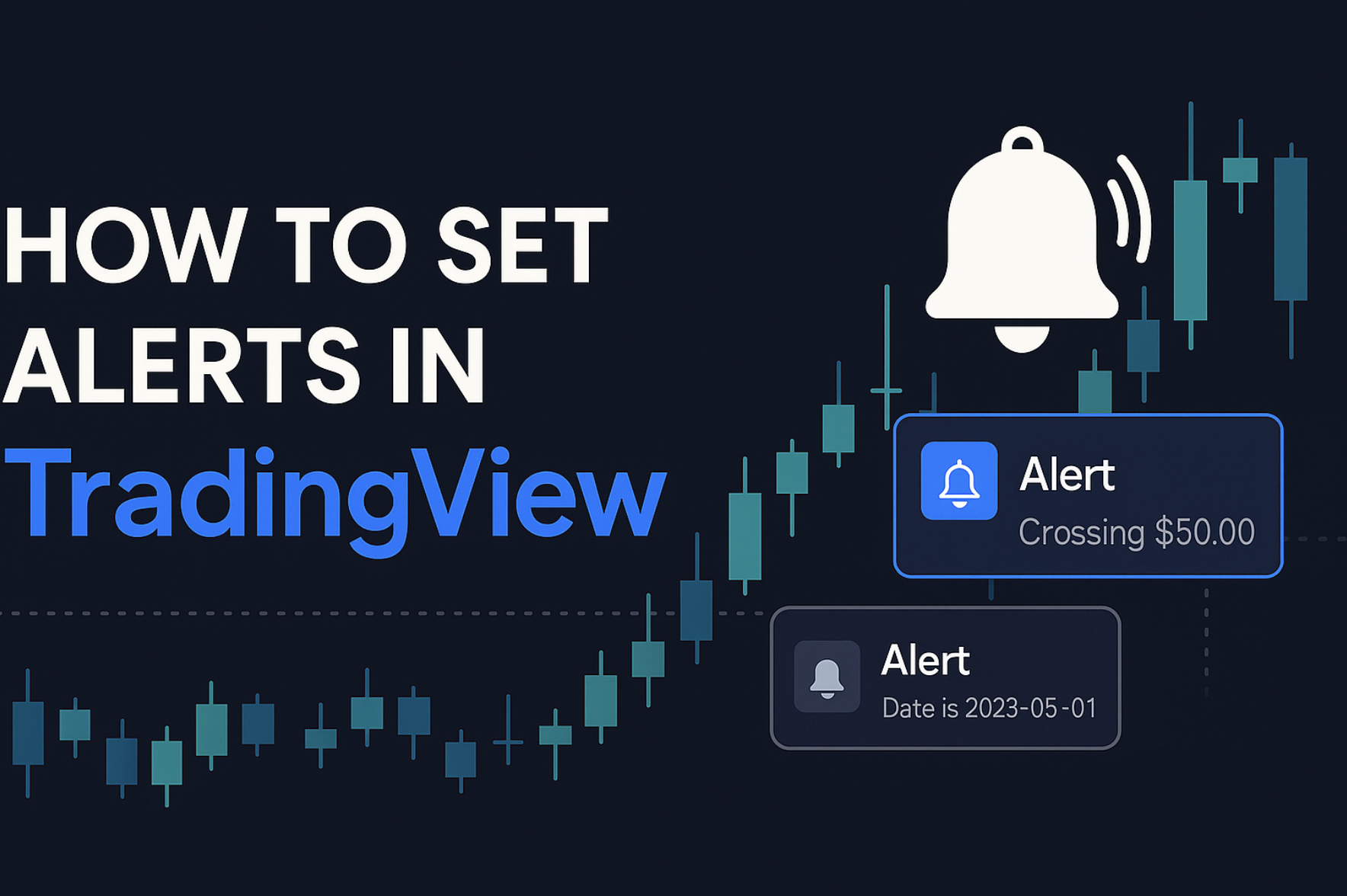
Ever missed a trade because you stepped away from your desk for five minutes? I sure have. That's why TradingView alerts exist—they watch the markets so you don't have to stare at charts all day.
TradingView alerts are smart notifications that fire when specific market conditions hit your charts. Instead of manually watching price levels or indicator signals, alerts do the monitoring for you.
Here's the short version: Quantower wins for execution speed and order flow. TradingView wins for charting and community. I use both. Quantower is a professional desktop platform built for active day traders who need real-time depth of market data and direct broker connections. TradingView is a browser-based social charting platform with scripting, alerts, and a massive community. After testing both back-to-back since early 2025, I can tell you they serve completely different needs — and most serious traders I know run them side by side.
TradeStation and TradingView aren't really competing for the same trader. TradeStation is a professional-grade execution platform built for algorithmic traders who need speed and native automation. TradingView is a charting platform designed for traders who want powerful analysis tools without the desktop lock-in. I've used both for years, and my verdict is simple: TradeStation wins for automated execution, TradingView wins for charting and community. Pick the one that matches your trading style, not the one with more features.