Marc Chaikin AI Stock Picks: Power Gauge Analysis

The Marc Chaikin AI stock pick system, known as the Power Gauge, is a data-driven tool that scores stocks by analyzing over 20 fundamental and technical factors. It launched in 2011 and uses machine learning to predict which stocks will outperform or underperform the market over one to six months. I've been following Chaikin's work since 2011, and the Power Gauge has consistently been one of the most interesting AI-driven rating systems I've come across.

Who Is Marc Chaikin?
Marc Chaikin founded Chaikin Analytics and has decades of experience building stock analysis tools. His specialty is creating custom indicators that measure momentum and trends, converting complex market data into clear signals for investors. If you're looking at momentum-based approaches, you can compare his methods with the Chande Momentum Oscillator for a different take on buy and sell signals.
He combines analytical rigor with a practical sense of market behavior. He often says understanding the story behind a company matters as much as the numbers.
How the Chaikin Power Gauge System Works
The Power Gauge is the engine behind Chaikin Analytics. It assigns a color-coded rating to thousands of stocks and ETFs, forecasting which ones are likely to beat the market and which might fall behind.
How the AI Stock Picker Actually Works
The system doesn't rely on historical charts alone. It processes more than 20 data points and uses machine learning to adjust its analysis as market conditions change. It recalculates daily with fresh data, keeping it more current than methods that depend only on past patterns. The final rating blends technical analysis with fundamental data, but the fundamental factors—profitability, earnings trends, valuation—carry more weight.
What the System Looks At
The AI examines these factors to produce its rating:
| Factor | What It Tells You |
|---|---|
| Earnings Surprise | Shows if a company beat or missed profit estimates |
| Money Flow Index | Tracks buying and selling pressure from big institutional investors |
| Relative Strength | Compares stock performance against the overall market |
| Volatility Score | Highlights the risk level of the asset |
It also checks earnings trends, valuation metrics, industry strength, volume patterns, and more. In a flat market you'll see balanced ratings. During strong bull or bear trends the distribution shifts accordingly.
Where Marc Chaikin Sees Opportunity in AI
Chaikin doesn't chase the most hyped AI names. He goes after companies actively using AI to improve their existing software and services—established businesses with real customers, data, and infrastructure. I think this is smarter than betting on unproven AI startups. AMD, his top chip pick, is one I've tracked since it was trading around $90 in early 2023.
Stocks on His Radar
Based on his latest analysis, here's where Chaikin is finding opportunities.
Companies Embedding AI Into Their Software:
- ServiceNow Inc (NOW) - Uses AI to automate enterprise workflows.
- Synopsys Inc (SNPS) - Integrates AI into chip design software.
- Procore Technologies Inc (PCOR) - Brings AI into construction management.
Tech Infrastructure Players:
- Pure Storage Inc (PSTG) - Data storage with a notable NVIDIA partnership.
- Arista Networks Inc (ANET) - Cloud networking essential for AI data movement.
- CrowdStrike Holdings Inc (CRWD) - AI-driven cybersecurity threat detection.
Semiconductor:
- Advanced Micro Devices Inc (AMD) - Chaikin's top pick in the chip sector.
He also suggests watching specialty and secondary tech firms rather than the largest names only, plus financials, consumer discretionary, and industrials that are quietly adopting AI.
How Reliable Is the Power Gauge?
Since its 2011 launch, the Power Gauge has been independently back-tested. Stocks it rated highly have historically outperformed major indexes and buy-and-hold strategies. Analysts applied the system's rules to past market cycles, and the data consistently shows it identified stocks that beat their benchmarks.
User experiences vary. I've read reports of significant gains on specific recommendations. I've also seen skeptical reviews about picks that didn't work out. I haven't tested the system myself with a funded account, so I can't vouch for it personally, but the back-testing data is publicly available.
This split suggests the Power Gauge works best as a research starting point, not a signal you follow blindly. It's a well-informed second opinion that can highlight opportunities or flag risks—your own due diligence is still essential.
Market Outlook from Marc Chaikin
Chaikin has a solid record of market calls, including predicting the post-pandemic downturn and the 2023 recovery. His current view focuses on an AI-driven productivity boom that could push markets higher.
He thinks the S&P 500 could reach 5,800 to 6,000. But he's clear this depends heavily on interest rates, which he considers the most important factor for stocks right now. If the Fed mismanages rates, it could trigger a significant sell-off.
Looking ahead to 2026, Chaikin sees parallels to past speculative surges like the RCA mania of the 1920s or the dot-com bubble. His advice: have a plan. Being ready to spot early cracks in market strength is more valuable than trying to call the exact top.
Strengths and Limitations
What Works Well
The Chaikin AI system acts like a focused research assistant, processing massive amounts of market data so you don't have to.
- Removes emotion. It relies on numbers and patterns, giving an objective starting point.
- Clear signals. It synthesizes data into specific alerts rather than raw charts you have to interpret.
- Saves time. A consolidated view of key indicators highlights things you might miss on your own.
- Stays current. Daily updates keep the analysis aligned with recent conditions.
- Full picture. Blending fundamentals with technicals provides a more complete view than either alone.
What to Watch Out For
No tool guarantees outcomes. Markets respond to unexpected events—economic surprises, geopolitical shifts, sector disruptions—that can override any model.
I prefer to use the Power Gauge as one input in a broader strategy. Don't rely on it alone. Basic risk management—diversification, position sizing—matters more than any rating system. Before acting on a signal, ask yourself: does this stock fit my goals and risk tolerance? A quick check of recent news always adds useful context.
Timeframe matters. A signal that looks strong on a daily chart might look different on a weekly view. Check multiple timeframes before deciding. If you're interested in other AI-driven screening options, the Free AI Stock Picker offers a different approach to scoring stocks.
Questions and Answers
Q: How is the Chaikin Power Gauge different from other stock rating tools?
A: Most systems focus on either fundamentals or technicals, rarely both. Chaikin's approach combines over 20 factors into a single color-coded rating, and it updates daily with new data. The machine learning layer adjusts as market conditions shift, so it's more responsive than static models I've tested.
Q: How accurate is the Chaikin Power Gauge in practice?
A: Back-tests running back to 2011 show the system has identified stocks that beat the broader market. That's a solid track record, but past performance doesn't guarantee future results. I've seen reports of impressive gains alongside reviews of picks that didn't pan out. My take: accuracy depends on market conditions, and you shouldn't treat it as a magic signal.
Q: Can someone new to investing use this system?
A: That's the idea. You get color-coded signals — green, yellow, red — instead of complex charts and jargon. Beginners should treat it as a research starting point, though. Understanding why a stock gets a particular rating is just as important as the rating itself.
Q: Which sectors is Marc Chaikin betting on right now?
A: He's focused on companies embedding AI into their existing software and operations — names like ServiceNow, Synopsys, and Procore. He also likes financials, consumer discretionary, and industrials that are quietly adopting AI. His preference leans toward secondary tech stocks and chipmakers like AMD over mega-cap names, and he's cautious on energy.
Q: Has the Power Gauge ever predicted a market crash?
A: It's designed to catch weakening trends early, and Chaikin has called several major market turns correctly. But no model predicts every crash or black swan event. I'd use it as one tool in a broader risk management plan, not as a crystal ball.
Using the Power Gauge in Practice
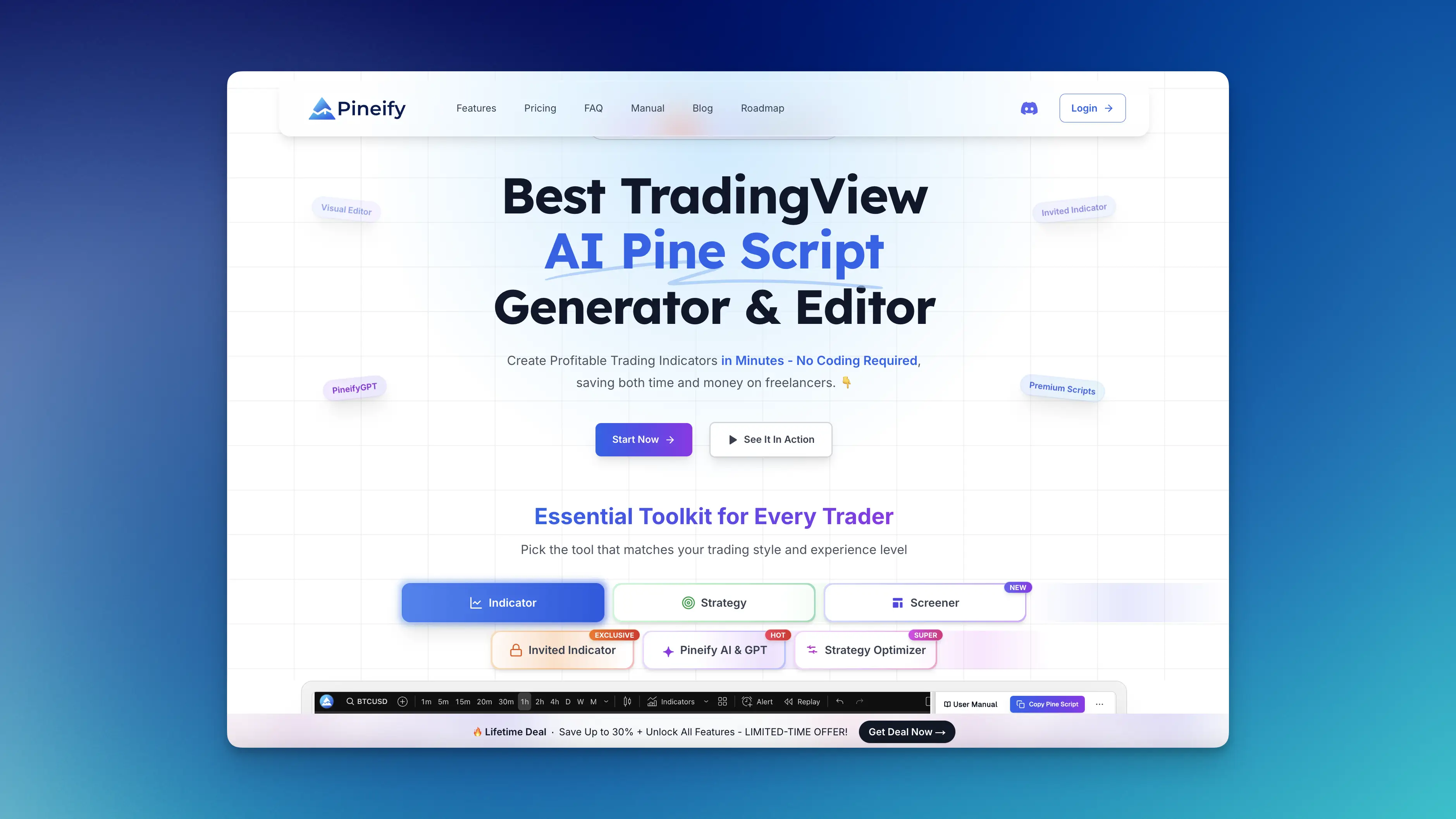
Start at Chaikin Analytics to see current Power Gauge ratings — they offer trial access and guides that explain how to read the signals. If you prefer building your own screening tools, Pineify lets you create custom Pine Script indicators visually or through an AI agent.
Combine with your own research. The Power Gauge works best when paired with your analysis. Check company earnings, sector news, and other trusted sources before making moves. Backtesting your strategies before committing capital is essential for verifying any system's edge.
Start small. If you want to test the system's picks, try a small allocation first. Track performance over several months to see if the approach fits your goals.
Watch the big picture. Interest rates, sector rotations, and Fed policy all affect why a stock gets a certain rating. Staying aware of these forces makes you a more confident decision-maker.
Keep learning. Free guides, workshops, and content from Chaikin and other educators can deepen your understanding of both fundamental and technical analysis.
What sectors or companies are you curious to screen? I'm always interested in how others use data to shape their investment choices.