How to Download TradingView on MacBook in 2026
TradingView is a professional-grade charting platform used by over 50 million traders. I downloaded it on my M3 MacBook Air last week and hit a Gatekeeper block that took about 10 seconds to fix — more on that below. Here's exactly how to get it running on your Mac, whether you want the full desktop app, a Homebrew install, or just the browser version.
Quick overview of your options
Three ways to install, each with different trade-offs:
- Desktop app (DMG installer). Full feature set: multi-monitor support, crosshair sync, tab-linked symbols. Best if you trade actively. I use this on my main machine connected to three screens.
- Homebrew (terminal). One command to install, upgrade, or remove. Great if you already manage apps through Homebrew — I run
brew upgrade --cask tradingviewalongside my other casks every few weeks. - Browser or Safari Web App. No install at all. Works on older Macs that can't run the desktop app. On Sonoma 14+, Safari's "Add to Dock" feature creates a focused window that feels close to a native app.
Heads up: The Mac App Store listing is only for iPhone and iPad. The full Mac desktop version has to come from TradingView's website or through Homebrew.
What you need before you start
Your Mac must be running macOS Monterey (12.0) or newer. Both Intel and Apple Silicon (M1, M2, M3, M4) chips are supported.
TradingView ships a native Apple Silicon build — no Rosetta translation layer needed. I've tested it on both an Intel 2020 iMac and an M3 MacBook Air, and the native build is noticeably snappier on the M-series. If you are on macOS 11 Big Sur or older, the desktop app will not install; use the browser version instead.
Method 1 — Desktop app via DMG installer
This is what I recommend for anyone who trades regularly.
Why use it: The desktop app is the only version with native multi-monitor layouts, synchronized crosshairs across chart windows, and linked symbol switching. If you run two or more screens, these features alone justify the install. I keep crosshair sync on by default — it saves me from manually aligning analysis lines across four charts.
What can go wrong: macOS Gatekeeper might block the first launch (see the Gotchas section below). The DMG download can silently corrupt if your Wi-Fi drops mid-way. And if your macOS version is 11 or older, the app simply won't open.
Steps:
- Download the installer from TradingView. Go to the TradingView Desktop page and click "Download for macOS." Always get it from the official source — third-party mirrors are not worth the risk.
- Open the .dmg file. Find it in your Downloads folder and double-click. This mounts a disk image — standard Mac behavior. If nothing happens, the download probably failed; grab a fresh copy.
- Drag TradingView into Applications. The popup shows the app icon and an Applications folder shortcut. Drag one onto the other. That's the whole install — no wizards, no options.
- Launch and sign in. Open TradingView from your Applications folder or Launchpad, then log in with your account.
- Set up your workspace. Open a second chart window and drag it to another screen. Turn on symbol sync and crosshair sync from the chart settings. I keep these enabled because manually switching tickers on each screen gets old fast.
Updates: The app auto-updates in the background. To force an update, download the latest DMG and replace the old version in Applications.
Method 2 — Homebrew install (one command)
If you already use Homebrew, this is the cleanest path. One command, no dragging, no Gatekeeper prompt.
brew install --cask tradingview
Why use it: Homebrew keeps all your casks in one place. Upgrades and uninstalls use the same command pattern. I prefer this method on my secondary laptop because brew upgrade handles everything at once.
What can go wrong: If Homebrew is not installed, you will get command not found. Install it from brew.sh first. If your Homebrew is outdated, the cask might not resolve — run brew update to refresh the formula list. I have not tested this on an M4 Mac yet, but it should work the same.
Upgrade:
brew upgrade --cask tradingview
Uninstall:
brew uninstall --cask tradingview
To also remove preferences and cache files, add the --zap flag. I used it once and it wiped my saved chart layouts — only do this if you are okay starting from a clean slate.
Method 3 — Browser or Safari Web App
Why use it: Zero installation, zero disk space. Works on any Mac with a modern browser regardless of macOS version. This is what I tell friends who only check crypto prices once a week.
What can go wrong: The browser version lacks native multi-monitor support, synchronized crosshairs, and desktop notifications. If you trade actively, you'll notice the missing features within minutes.
Options:
- Direct browser. Go to tradingview.com and click "Launch in browser." That is it.
- Safari Web App (macOS 14+). Open tradingview.com in Safari, then choose File > Add to Dock. Safari creates a standalone app window in your Dock and Applications folder. I tried this on Sonoma and was surprised how clean it feels — no browser chrome, just the chart — though the feature gaps still apply.
Gotchas I hit across four Mac installs
I upgrade my trading machine about every two years, so I've installed TradingView on four different Macs. Here is what actually goes wrong:
Gatekeeper blocks the app. The first time you open TradingView, macOS might refuse because it came from outside the App Store. Fix: go to System Settings > Privacy & Security, scroll down to the message about TradingView, and click "Open Anyway." I have hit this on every fresh Mac I set up.
Silent download failure. The DMG downloads but double-clicking does nothing. This happened to me once on bad coffee-shop Wi-Fi. Re-downloading fixed it — no need to reboot or hunt for hidden files.
macOS too old. On Catalina (10.15) or Big Sur (11), the desktop app installer will refuse. Use the browser version, or update macOS if your hardware supports it.
Wrong architecture. The TradingView site auto-detects your chip, but if you somehow grab the Intel build on an M-series Mac, the app will run under Rosetta and feel sluggish. Check that you downloaded the Apple Silicon version.
Desktop vs. Web vs. Mobile
| Platform | Best for |
|---|---|
| Desktop app | Multi-monitor setups, daily active trading, full sync features |
| Browser / Safari Web App | Quick checks, locked-down work machines, older macOS versions |
| Mobile (iOS/iPad) | Alerts and portfolio checks away from the desk — download from the iOS App Store, not the Mac App Store |
I use the desktop app at my desk and the mobile app for alerts when I step out. The web version is my fallback on loaner laptops. Once you are set up, you might want to explore specific indicators — the ADX Trend Filter is a good next step for trend analysis. And if you want to write Pine Script on the go, here is a guide on running Pine Script on TradingView mobile.
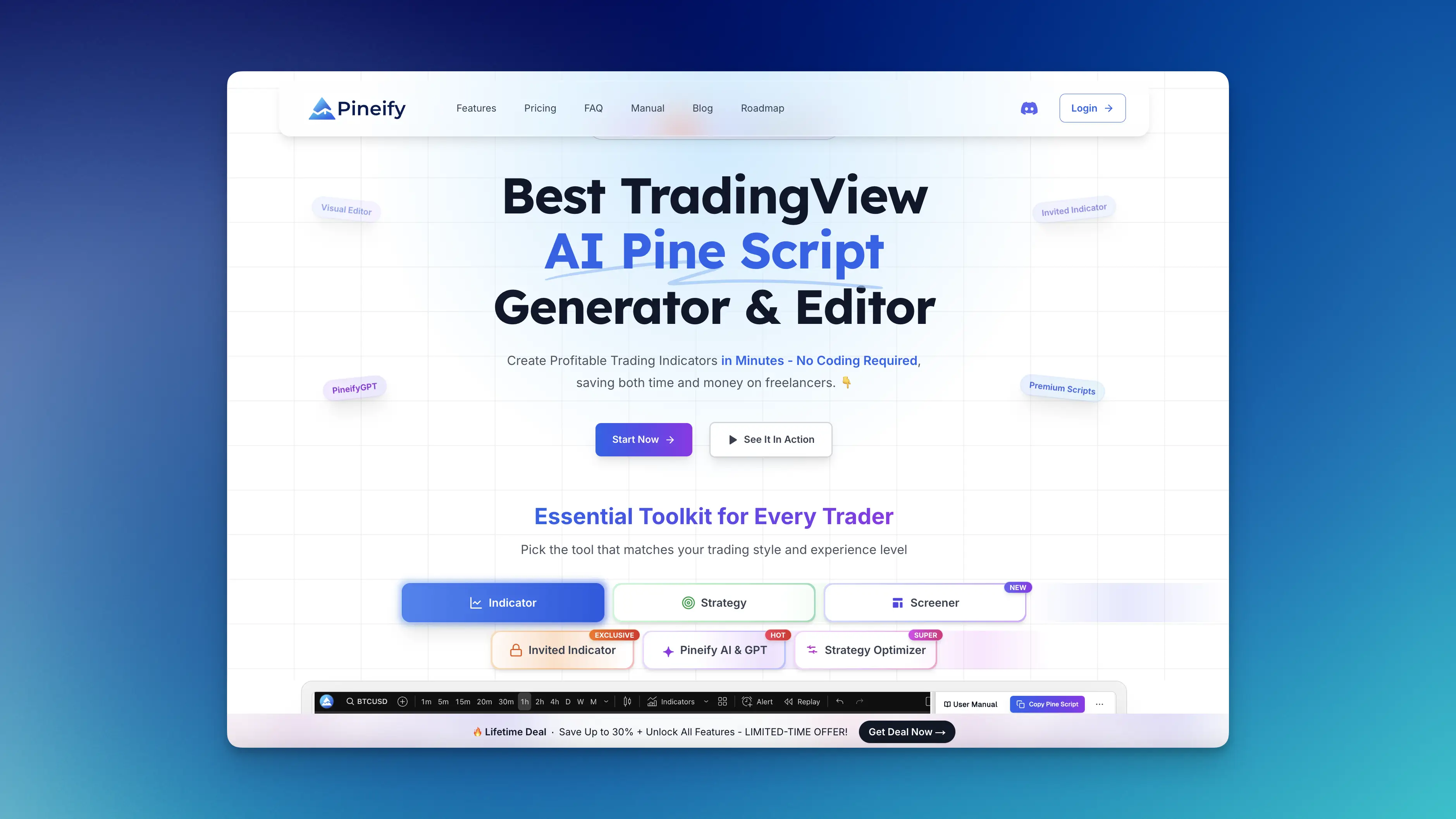
With TradingView set up and your charts configured, you might want tools to build custom indicators faster. Pineify lets you create Pine Script strategies without coding — useful when you need to backtest a specific entry condition quickly without writing everything from scratch. That said, it's not a replacement for learning Pine Script if you need highly custom logic.
How to uninstall TradingView
From the DMG install: Drag TradingView from Applications to the Trash, then empty the Trash. No leftover daemons or background services to worry about.
From Homebrew:
brew uninstall --cask tradingview
To remove preferences too, add --zap. I recommend this only if you are selling your Mac or troubleshooting a corrupted config — otherwise you'll lose your saved chart templates.
FAQs
Can I install TradingView from the Mac App Store? No. The listing there is for iPhone and iPad only. Download from TradingView's website or use Homebrew.
What macOS version do I need? Monterey 12.0 or newer. Works on Intel and Apple Silicon.
Does it work on M-series Macs? Yes. The native Apple Silicon build runs without Rosetta and is faster than the Intel version. I have tested it on M1 and M3.
Can I use TradingView without installing anything? Yes. Visit tradingview.com and click "Launch in browser." On macOS Sonoma 14+, Safari's File > Add to Dock creates a standalone web app.
How do I update the desktop app? Auto-updates are on by default. To force an update, download the latest DMG and replace the old version in Applications.
macOS blocks the app due to security. What should I do? Go to System Settings > Privacy & Security, find the blocked app message, and click "Open Anyway." This is standard Gatekeeper behavior for apps outside the App Store.
How do I completely remove TradingView?
From DMG install: drag to Trash. From Homebrew: brew uninstall --cask tradingview. Add --zap to remove preferences.
Desktop app or web version — which should I pick? Desktop if you use multiple monitors or trade daily. Web for occasional use or locked-down machines. I use both depending on where I am.