Trading Journal Mood Tracking: Build Discipline and Self-Reflection

Trading journal mood tracking is logging your emotional state alongside each trade so you can spot psychological patterns that hurt your performance. I learned this the hard way after three months of gains evaporated in a single week of revenge trading on SPY options. The trades looked fine on the chart — entries at resistance, defined risk. The problem was in my head, not on the screen.
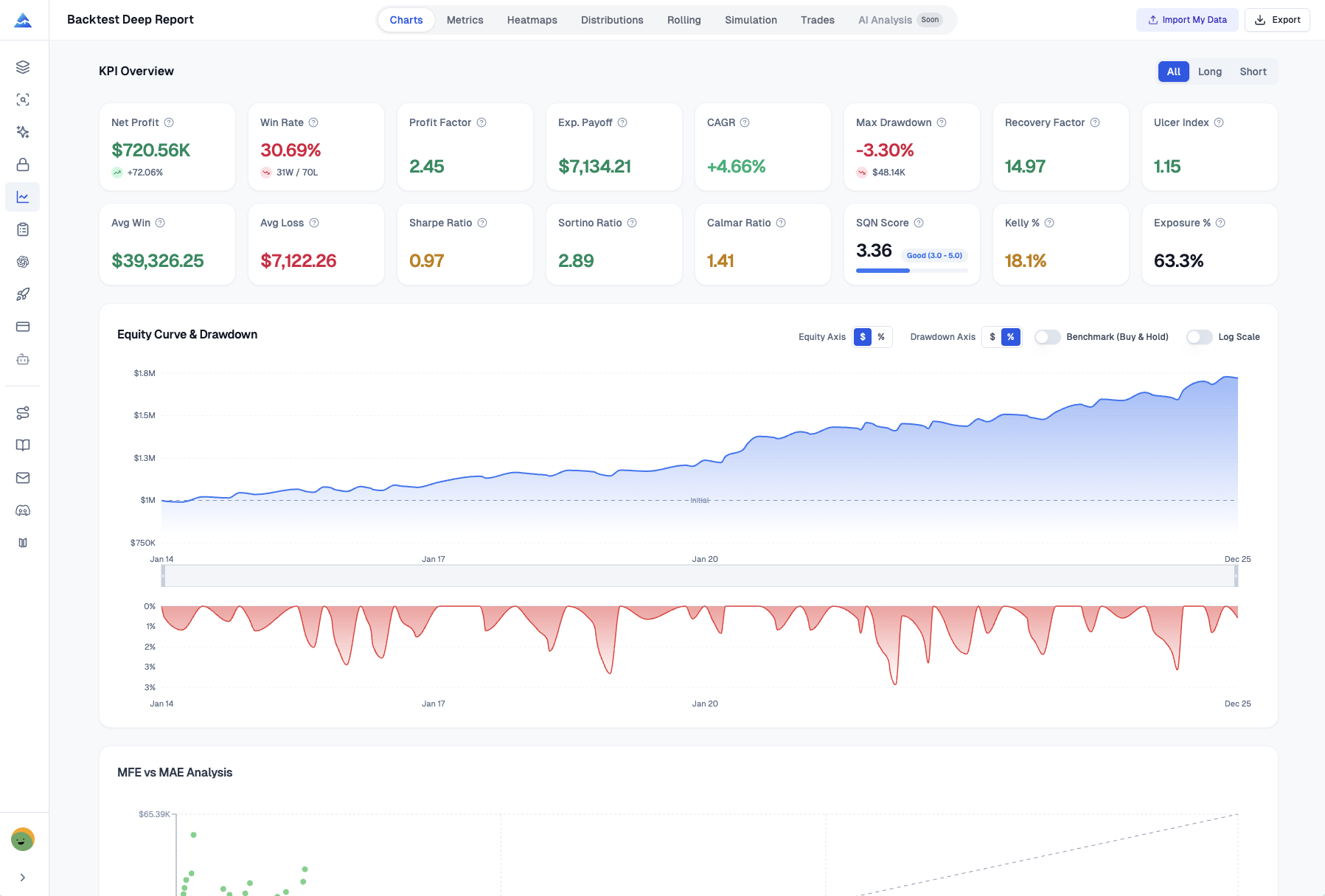
Fear and greed wreck more portfolios than bad strategies. Most traders spend hours tuning their charts and skip the one variable that actually controls execution: their own mindset. A trading journal that includes mood tracking turns vague self-doubt into measurable data. You stop wondering why some weeks click and others don't — the patterns show up right in your logs.
Your Mind Is Your Most Powerful Tool in Trading
Blamed a bad trade on choppy markets or unlucky timing? I've done it too. Nine times out of ten, the real culprit was sitting in my own head.
Your emotional state steers your decisions whether you realize it or not. Feeling rushed, overconfident, or nervous doesn't just create a bad mood — it leads to specific, costly mistakes. Jumping in too early. Betting too big. Bailing on a plan because your stomach dropped. Developing a reliable system, like the ones covered in our Best Free Strategy on TradingView, gives you a foundation that reduces emotional guesswork.
Here are the everyday mental traps that have nothing to do with your trading system:
- Fear of missing out (FOMO): That itch to get in before the price runs. It pushes you to enter before your setup is actually clear.
- Revenge trading: Trying to win back a loss immediately with an angry, unplanned trade. Emotion calls the shots, not analysis.
- Overconfidence after a win streak: A few good trades make you feel invincible. Suddenly you're taking bigger positions than your rules allow.
- Hesitation after a loss: A recent loss can freeze you. I've watched perfect setups pass me by because I was scared to pull the trigger.
- Analysis paralysis: Overthinking every detail on a good setup until the moment to act is gone.
None of these come from the market. They are internal psychology problems. The good news is they can be managed. The first step is learning to spot them in yourself while they're happening.
Your Trading Journal: The Secret to Understanding Your Mind
Most people treat a trading journal as a ledger for what they bought and sold. It does that, sure. But its real value is something else. It becomes a mirror for your headspace. When you write down not just the what but the why behind each trade and how you felt making it, everything shifts.
You start connecting dots. "Every time I trade after a bad night's sleep, I make impulsive choices." "When I feel overly confident, I ignore my stop-loss." This turns your journal from a diary into a diagnostic tool. It's not self-help fluff — it's concrete data on your biggest variable: you.
For traders who rely on technical setups, integrating mood data with a tool like the CM_Ultimate_MA_MTF_V2 Moving Average Tool for TradingView creates a feedback loop between strategy signals and psychological state.
A simple trick: rate your emotions from 1 to 10 each time you log a trade. A quick weekly review of those scores shows clear trends. I tracked this across 47 SPY trades and found my win rate dropped from 62% to 41% on days when I logged a stress rating above 7. That kind of data changes how you schedule your sessions.
What to Actually Write in Your Journal
To get psychological insight, your journal entry needs a few extra layers. Think of it as checking in with yourself.
- How you felt before the trade: Sharp and focused, or scattered and stressed? Rate your confidence.
- Your physical state: How did you sleep? Running on caffeine and fumes? Your body affects your decisions more than you think.
- The real reason for the trade: Why this setup? Why now? What was your actual plan?
- How your feelings shifted during the trade: Did nervousness make you bail early? Did excitement convince you to let a winner run into a loser?
- What you learned after the trade: Beyond profit and loss, how did you feel? Relieved? Frustrated? What's the one lesson you take away?
I prefer logging my mood in the Pineify Diary right after closing a trade. Waiting even ten minutes blurs the emotional detail — you start rationalizing instead of recording. Do this consistently and you stop wondering why some days click. The answers sit right there in your own words.
Turning Self-Reflection into Real Trading Results
The best traders understand themselves. Pineify's Trading Journal connects how you feel with how you perform. It moves past being a simple logbook through four modules — Strategies, Diary, Sessions, and Reports — that build an honest picture of your trading.
Your Trading Diary: More Than Just a Log
The Diary module is your space for daily notes with a purpose. Track your mood, rate plan adherence, and jot down key lessons. Over weeks, it creates a personal playbook showing how emotions influence your decisions.
- Log your mood and confidence each day to see whether you win more when calm or lose focus when stressed.
- Record lessons learned right after a trade so insights don't slip away.
- Attach screenshots of your charts, linking the technical setup to what you felt.
- Rate your plan adherence to see clearly when you followed your rules and when emotion took over.
Spotting Patterns with Session-Based Mood Checks
Your mood changes throughout the day. So does your trading. The Sessions module groups trades into time windows — London Open, afternoon block — and tags each session with a mood and performance rating. This answers: "Do I make better decisions in the morning?" and "Is fatigue hurting my trades after lunch?" I haven't tested this with crypto pairs yet, but for equities like AAPL and TSLA, avoiding one problematic session noticeably improved my monthly results.
Using Checklists to Build Unbreakable Discipline
Everyone knows they should follow their rules. In the heat of a trade, it's easy to slip. The Strategies module tackles this directly. Define your setups and attach a pre-trade checklist — mandatory conditions that must be met before entry. Discipline becomes a non-negotiable step, not a hope.
- Pre-trade checklists act as a gatekeeper, stopping impulsive decisions.
- Track Win Rate and Profit Factor per strategy so you know what works.
- Color-coded tags give instant visual feedback on which strategy you used.
Making Sense of Your Mood and Your Trading
Tracking your mood is useful. Connecting it to your P&L is where the power lives. Here's a table that maps common emotional traps to corrective actions.
| Emotional State | Common Trading Mistake | Corrective Action |
|---|---|---|
| High FOMO | Early entry before setup confirms | Add confirmation rule to strategy checklist |
| High stress / fatigue | Breaking position size rules | Set a "no trade" rule below a wellness threshold |
| Overconfidence after wins | Ignoring stop-loss levels | Enforce hard stop rules via checklist |
| Low confidence after losses | Missing valid setups | Review recent winning trades before session |
| Frustration / tilt | Revenge trading | Mandatory 30-minute cooling-off rule |
Review these connections weekly. Pineify's Reports module automates this by pulling together your weekly and monthly performance. You might see that Tuesday afternoon trades — when you're rushed and stressed — have a 30% lower win rate than calm morning trades. That's not a guess. It's a data-driven reason to step away on Tuesday afternoons. (The team at TradesViz has more on trading journal psychology if you want a deeper look.)
Five Practical Steps to Make Journaling Work for Discipline
Knowing journaling is good for you is one thing. Making it build real discipline is another. Here's how.
-
Check your temperature. Before you write anything, rate your mood on a 1-10 scale for confidence, stress, and focus. Set a personal line — below a certain score, you don't make big decisions. This alone saves you from impulsive mistakes.
-
Write your "why" before you act. Before any trade, type one or two clear sentences explaining exactly why you're doing it and how it fits your plan. Putting your rationale into words forces clarity and exposes gut-feel decisions.
-
Review your mood after the trade closes. Did your emotional state shift during the trade? Log whether you stayed calm, got nervous, or felt tempted to deviate from your plan. This is the data you need to spot patterns later.
-
Connect dots once a week. Set aside time to compare your mood scores with outcomes. Rushed decisions on low-focus days rarely work out — I saw this pattern after just three weeks of consistent logging.
-
Turn lessons into personal rules. When your journal keeps showing the same mistake, don't just note it. Act on it. Convert the insight into a concrete checklist item. "If my stress is above a 7, I pause for ten minutes before proceeding." This closes the loop from reflection to real action.
Are You Making These Trading Journal Mistakes?
Let's be honest: keeping a trading journal can feel like a chore. But it's one of the most effective tools you have. The catch is you have to do it right. Here are the common habits that undermine the process.
1. Only Writing Down Your Wins
Logging a losing trade is the last thing you want to do. But skipping losses is like a dieter only counting calories on good days — it defeats the purpose.
The Fix: Every single trade gets logged the moment it closes. Win or loss. Losses hide your most valuable lessons.
2. Ignoring Your Headspace
"Entered short at resistance" tells you what you did. Without noting that you felt impatient after three missed setups, you'll never know why.
The Fix: Add two fields to every entry — "Mindset Before" and "Mindset After." A few words — "rushed," "calm," "fearful" — transforms your data into real insight.
3. Letting Your Journal Collect Dust
Reviewing once a month shows you the big picture but misses the subtle weekly patterns that drive consistent mistakes.
The Fix: Schedule a 30-minute journal review the same time every Sunday. Regular cadence turns insights into timely adjustments.
4. Not Turning Lessons into Rules
You spot a pattern. You write it down. Then nothing changes. Discovery without action is a mental exercise.
The journal's real job isn't recording history — it's changing your future behavior. This mirrors how a Chart Pattern Scanner on TradingView works: the tool identifies the opportunity, but you need discipline to act on it correctly.
The Fix: For every clear insight, create a concrete next step. "I keep losing in the first hour" becomes "New Rule: No trades in the first hour. Add to pre-market checklist."
The goal isn't a perfect journal. It's a useful one. Skip these traps and your logbook becomes a trusted coach.
Questions & Answers: Trading Psychology and Journaling
Q: What is mood tracking in a trading journal, and does it actually work? Think of it as noting how you felt — your confidence, stress, frustration — right next to each trade you take. It works because your mood drives your decisions more than your chart setup does. Log how you felt before and after, and you'll start seeing patterns like "I trade impulsively when I'm stressed" or "I freeze after a loss." See the pattern, fix the behavior.
Q: I'm not great at describing feelings. What should I do? Keep it simple. Rate confidence and stress on a 1 to 10 scale. Pick one word for mood: "calm," "rushed," "impatient," "bored." The goal is fast and easy so you never skip it. Pineify's Diary is built for this kind of quick logging.
Q: Will tracking my mood alone make me profitable? No, and I wouldn't count on it. Tracking your mindset is one piece, not the whole puzzle. It becomes useful when you pair it with a pre-trade checklist, session reviews, and performance stats. Alone it's just numbers. Using that data to make specific changes — that's where real improvement happens. This YouTube video covers the topic well.
Q: Is journaling only for struggling traders? Not at all. The most successful traders treat their journal as a secret weapon. It builds self-awareness that compounds into a real edge over time. Consistent traders tend to be the most dedicated journalers. TradePath has more on emotional control in trading.
Your Next Trade Starts with Your Mindset
That last trade that didn't go your way — the market probably didn't surprise you. Your own mindset did. The distance between your current results and your goals isn't just strategy. It's mostly psychology. The good news is you can measure it, understand it, and close the gap.
Start with one habit: note your mood and your reason for every single trade.
Before you click buy or sell, ask yourself: "Am I calm, eager, frustrated, or bored?" Give it a score. Write one sentence on why this trade makes sense right now. Do this for your next 20 trades. When you look back, you won't just see wins and losses. You'll see patterns — forcing trades when bored, getting timid after a loss. That self-awareness is your first tool. For refining technical execution, the Camarilla Pivot Points Indicator TradingView Pine Script guide is a solid next step.
Here's what I'll admit: mood tracking isn't a magic fix. I've had weeks where I logged perfectly but still made bad decisions. The data only helps if you actually adjust your behavior based on it. That's the hard part.
Pineify's Trading Journal makes this easier. Use the Diary to log your mood and lesson. The Strategies section keeps you on plan with pre-trade checklists. The Sessions view breaks down performance by time of day. It turns scattered notes into a clear picture of your trading psychology.
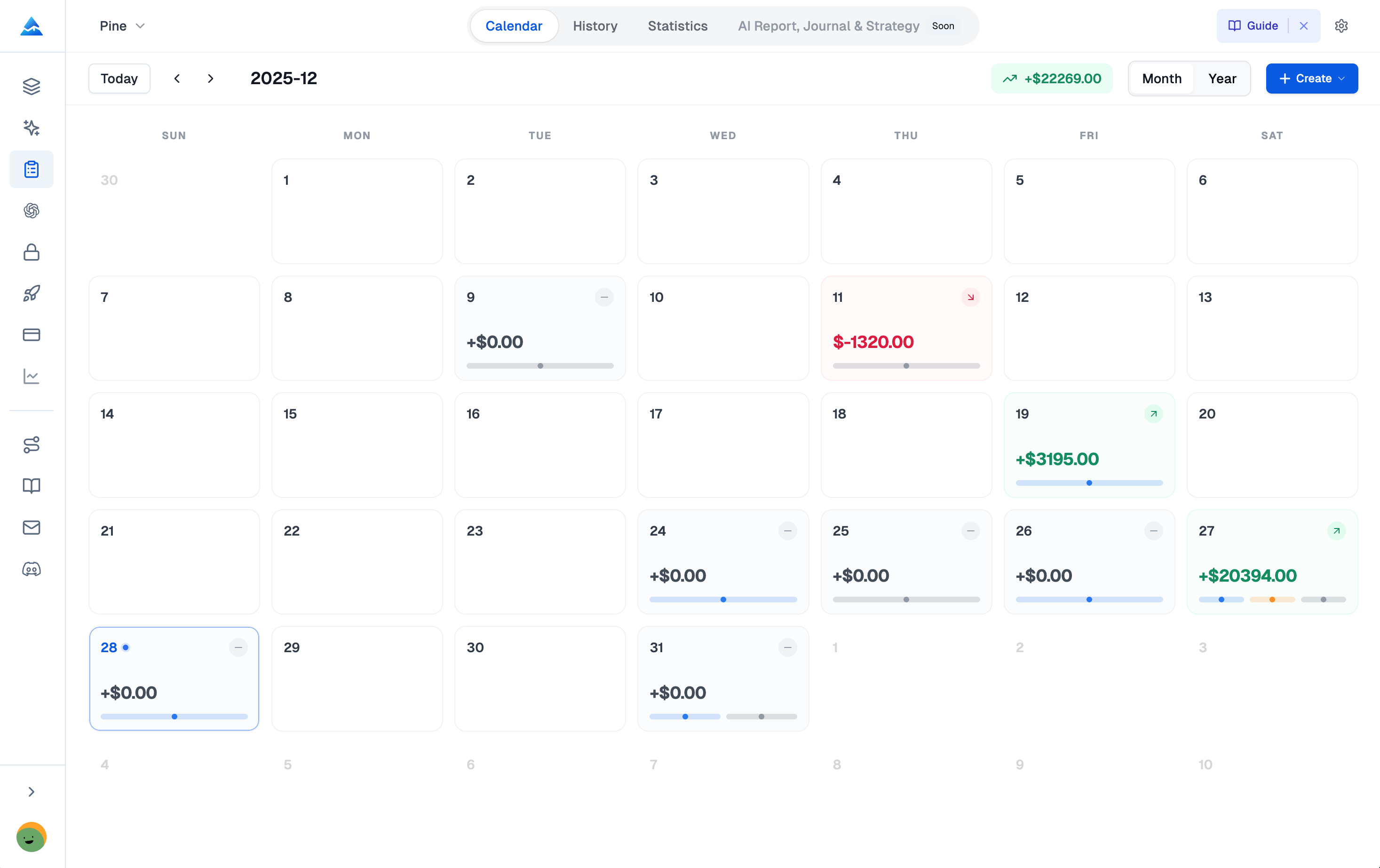
Your next step: Open a journal today. Jot down your current mood. Write one line about what you're watching in the market. Tomorrow, do it again. This daily practice doesn't take time — it gives you time back by preventing costly emotional mistakes. Over weeks, this compound interest in self-knowledge turns reactive decisions into consistent, disciplined action.
What is mood tracking in a trading journal, and does it actually work?
It means writing down how you felt — your confidence, stress, frustration — next to each trade you take. It works because your mood drives your decisions more than your chart setup does. Log how you felt before and after, and you'll spot things like "I trade impulsively when stressed" or "I freeze after a loss." See the pattern, fix the behavior.
How does mood tracking in a trading journal help overcome FOMO?
Rate your FOMO level before you hit buy, then check the result later. You'll see the pattern fast — high FOMO usually means you entered too early and lost. Once that data stares you in the face, you add a confirmation rule to your pre-trade checklist. Next time the itch hits, you have a process: pause, verify the setup, then decide.
How many trades do I need to log before mood tracking shows meaningful patterns?
It usually takes 30 to 50 logged trades before connections start showing up. Logging every single trade matters more than hitting a volume target — especially the losses. Skip entries and you create blind spots that hide the very patterns you are looking for.
What fields should I include in a trading journal for psychological tracking?
At minimum, track your mood rating from 1 to 10 before the trade, your physical state (sleep quality, energy level), the real reason you took the trade, how your feelings shifted during it, and one lesson after you close. Add a plan adherence score and you will see exactly when emotions hijacked your rules.
Can mood tracking alone make me a profitable trader?
I would not bet on it alone. Mood tracking is a useful piece of the puzzle but not the whole picture. It works best when you pair it with a pre-trade checklist, regular session reviews, and performance analytics. The data shows you what to change. Actually making those changes — turning insights into hard rules — that is what moves the needle.
How do I stop revenge trading using a journal?
After every loss, log your emotional state and give yourself a mandatory pause before the next trade. Review those revenge trade entries in your journal and the pattern jumps out — anger or frustration leading to trades you never planned. Then add a hard rule: 30-minute cool-off after a loss, enforced through your pre-trade checklist. Break the cycle with process, not willpower.
How often should I review my trading journal for mood patterns?
Thirty minutes every Sunday works best. Monthly reviews catch big trends but miss the weekly patterns that cause repeated mistakes. Block out Sunday evening in your calendar, compare your mood scores with your results, and update your rules based on what you find.